
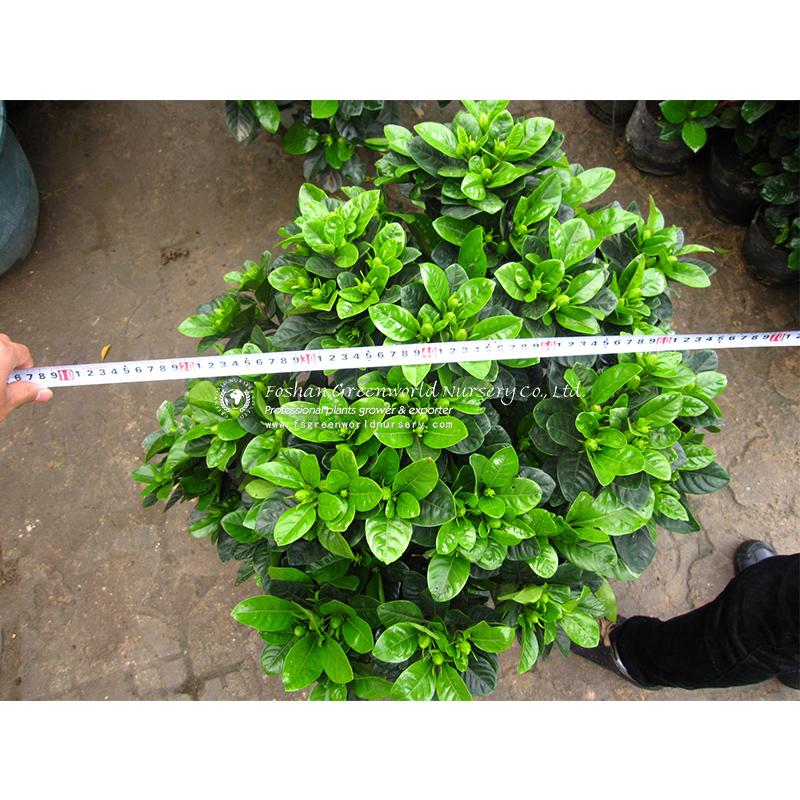
In an era where urbanization continues to expand rapidly, the importance of integrating green spaces within city landscapes has never been greater. Trees not only beautify urban areas but also play critical roles in improving air quality, regulating temperature, supporting biodiversity, and enhancing the mental and physical well-being of residents. Among the various tree species gaining attention for their ecological and aesthetic benefits is the Pongamia Glabra tree, alongside a diverse array of other remarkable species such as Lagerstroemia Indica, Delonix Regia, Hibiscus Tiliaceus, Albizia Saman, and many more.
### The Importance of Urban Forestry
Urban forestry refers to the care and management of tree populations in urban settings for the improvement of the urban environment. The inclusion of well-selected tree species in cities helps combat pollution, reduce the urban heat island effect, and provide shade that lowers energy consumption in buildings. Additionally, trees serve as habitats for urban wildlife and help manage stormwater runoff, ultimately contributing to climate resilience.
With these benefits in mind, recent initiatives have focused on cultivating diverse, hardy, and aesthetically pleasing trees like the Pongamia Glabra to enhance cityscapes and promote sustainable urban living.
### Spotlight on Pongamia Glabra
Pongamia Glabra (also known as Pongamia pinnata, commonly referred to as the Indian Beech tree) is increasingly recognized as an ideal species for urban planting due to its multiple advantages. This tree is native to the Indian subcontinent and parts of Southeast Asia and is known for its fast growth, ability to thrive in poor soils, and nitrogen-fixing properties that help improve soil fertility.
One of Pongamia Glabra’s key attributes is its resilience; it withstands drought and salty conditions, making it suitable for varied urban environments including roadside plantations and coastal areas. Moreover, the tree produces attractive flowers and pods, creating an appealing look during flowering seasons. Its wide canopy produces ample shade – a valuable feature in hot urban climates.
In addition to its environmental contributions, Pongamia Glabra holds economic potential due to its seeds, which contain oils that can be converted into biofuels, bio-pesticides, and other industrial products, thus presenting a sustainable avenue for reducing dependency on fossil fuels.
### A Spectrum of Valuable Urban Trees
Beyond Pongamia Glabra, numerous tree species have been carefully selected and promoted for urban cultivation to create vibrant, biodiverse, and resilient green spaces. These include:
- **Lagerstroemia Indica (Crape Myrtle):** Known for its long-lasting and colorful blooms, this tree enhances aesthetic appeal in parks and along streets.
- **Delonix Regia (Royal Poinciana):** Its stunning red flowers and wide canopy make it popular for shade and ornamental purposes.
- **Hibiscus Tiliaceus and Hibiscus Tiliaceus Rubra:** These species offer beautiful flowers and adaption to coastal and saline environments.
- **Albizia Saman (Rain Tree):** With their large, umbrella-shaped canopy, these trees provide excellent shade and support urban biodiversity.
- **Millingtonia Hortensis (Indian Cork Tree):** Known for fragrant white flowers, it is an urban favorite for enhancing sensory experiences.
- **Ficus Nitida (Indian Laurel Fig):** Its dense foliage and large size offer substantial urban canopy cover.
- **Peltophorum:** Valued for its bright yellow blooms and drought tolerance.
- **Ginkgo Biloba:** A living fossil species admired for unique fan-shaped leaves and adaptability.
- **Magnolia Grandiflora:** Widely grown for its large, fragrant flowers and evergreen foliage.
- **Photinia Serrulata:** Provides year-round greenery and striking red young leaves.
- **Cinnamomum Camphora (Camphor Tree):** Known for its aromatic leaves and medicinal properties.
- **Prunus Yedoensis (Yoshino Cherry):** Famous for its spectacular spring blossoms.
- **Trachycarpus Fortunei (Windmill Palm):** Adds a tropical look to urban settings.
- **Tecoma Stans:** Recognized for bright yellow trumpet-shaped flowers.
- **Wodyetia Bifurcata (Foxtail Palm):** Valued for its visually striking, feathery fronds.
- **Sea Grape Plant:** Commonly used in coastal landscaping.
- **Ficus Religiosa (Sacred Fig):** Revered culturally and for its robust shade canopy.
- **Ficus Racemosa:** Known for its unique fruit clusters and medicinal uses.
### The Role of Nurseries and Green Companies
The successful integration of these tree species into urban landscapes is often the result of dedicated nurseries and companies specializing in tree cultivation, propagation, and landscaping services. These organizations supply high-quality saplings and provide expert advice on selection, planting, and tree care, ensuring that urban forestry efforts are sustainable and effective.
Such companies often maintain extensive collections of these species, facilitating large-scale urban greening projects, reforestation efforts, and private landscaping solutions. Their work helps cities meet regulatory requirements for environmental conservation and supports community-driven greening initiatives.
### Encouraging Public Participation and Awareness
Urban forestry’s success hinges not only on planting trees but also on engaging communities to appreciate and protect them. Awareness campaigns, educational programs, and participatory tree-planting events foster stewardship and create a sense of ownership and responsibility among residents, enabling trees like Pongamia Glabra and others to thrive in the urban matrix.
### Looking Forward: A Greener Urban Future
As cities continue to expand and face environmental challenges, the adoption of resilient and multifunctional trees like Pongamia Glabra and the broad spectrum of previously mentioned species will be crucial to creating sustainable urban ecosystems. Their ecological benefits, aesthetic charm, and economic values align perfectly with the goals of modern urban planning and environmental stewardship.
By embracing a diversity of tree species and supporting the nursery and landscaping industries that cultivate them, urban areas can transform into healthier, more livable spaces—where nature and humanity coexist harmoniously. This green vision, anchored by trees such as Pongamia Glabra, Lagerstroemia Indica, Delonix Regia, and others, promises a future where urban blossoms, leaves, and shade form the backbone of wellbeing and sustainability.