
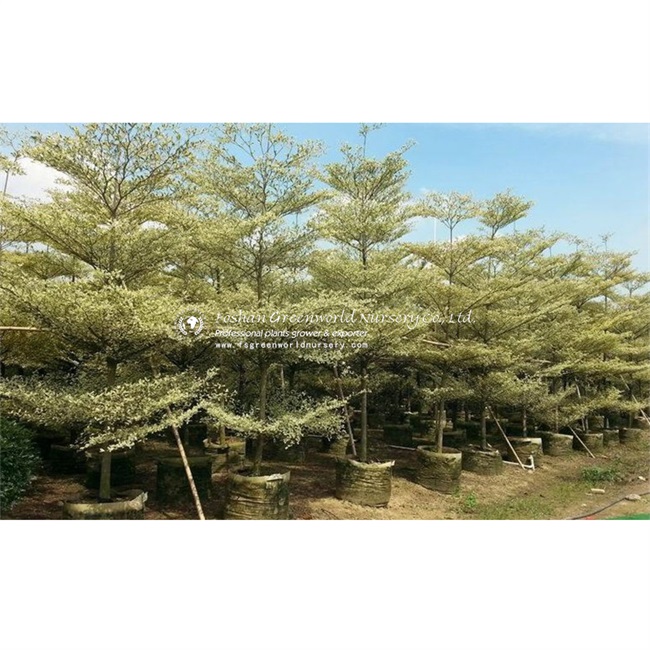
In the ever-evolving world of horticulture and urban landscaping, the harmonious blend of flowering trees and lush greenery plays a crucial role in enhancing aesthetic appeal, ecological balance, and environmental health. A significant highlight in recent botanical developments is the focus on *Prunus Yedoensis*, a celebrated species known for its spectacular cherry blossoms, combined with a diverse palette of plant species from various genera including *Lagerstroemia Indica*, *Delonix Regia*, *Hibiscus Tiliaceus*, *Pongamia Pinnata*, and *Albizia Saman*, among others.
### The Charm of *Prunus Yedoensis*
*Prunus Yedoensis*—commonly recognized as the Yoshino cherry—is renowned for its breathtaking, soft pink and white spring blossoms that transform urban spaces into enchanting floral spectacles. This species is widely cherished not only for its ornamental value but also for its cultural significance, especially in East Asian traditions where cherry blossom festivals celebrate the transient beauty of nature.
This deciduous tree thrives in temperate climates, creating a visual feast when it blooms en masse, and has become an iconic tree in many cities around the world. Beyond its aesthetic appeal, *Prunus Yedoensis* serves critical ecological functions by supporting pollinators such as bees and birds, contributing to biodiversity and urban ecosystem health.
### Complementary Plant Species: An Ecological and Aesthetic Symphony
While *Prunus Yedoensis* stands out for its spectacular floral display, integrating it with a diverse mix of other plant species can create layered landscapes that offer year-round appeal, improve air quality, provide shade, and support wildlife.
The company’s introduction of various species like *Lagerstroemia Indica* (commonly known as Crepe Myrtle) adds vibrant summer-long flowering potential. The Crepe Myrtle’s bright purples, reds, and whites contrast beautifully with the delicate cherry blossoms, providing a succession of colors through different seasons.
Next, the iconic *Delonix Regia* or Flame Tree, known for its fiery red-orange flowers and feathery foliage, adds tropical flair and is an excellent shade tree. Similarly, *Hibiscus Tiliaceus* varieties—both *Rubra* and the standard species—offer striking tropical blossoms, making them an excellent complement to the subtler tones of *Prunus Yedoensis*.
*Pongamia Pinnata* (commonly called Indian Beech) and *Albizia Saman* (Rain Tree) are multipurpose trees valued for their nitrogen-fixing properties and wide canopies that cool urban environments, reduce heat islands, and provide refuge for urban fauna. Meanwhile, *Millingtonia Hortensis* (Indian Cork Tree) is prized for its delicate, trumpet-shaped flowers and fragrant scent, offering sensory delights alongside visual ones.
Moreover, *Ficus Nitida* (Indian Laurel Fig) and *Ficus Religiosa* (Sacred Fig Tree) are culturally and ecologically significant species widely used in urban landscaping for their dense shade and sprawling canopies. These fig trees are keystone species in many environments, supporting biodiversity by hosting numerous insects, birds, and mammals.
*Peltophorum*, another member introduced by the company, with its bright yellow flowers, and *Ginkgo Biloba*, famous for its resilient fan-shaped leaves and medicinal properties, add diversity in form and function. *Magnolia Grandiflora* brings sizable, fragrant white flowers and deep green foliage to the mix, while *Photinia Serrulata* provides year-round interest with its vibrant red young leaves.
The evergreen *Cinnamomum Camphora* (Camphor Tree), an aromatic species, adds year-round greenery and plays an important role in improving air quality by absorbing pollutants. *Trachycarpus Fortunei* (Windmill Palm) and *Wodyetia Bifurcata* (Foxtail Palm) introduce exotic tropical aesthetics and texture diversity, great for subtropical urban settings.
Further complementing this mixture are *Tecoma Stans*, known for their bright yellow trumpet flowers, and the *Sea Grape Plant* whose large leaves and edible fruit add both ornamental and utilitarian value. *Ficus Racemosa*, another fig species, is utilized in traditional medicines and provides ecological benefits in landscaping.
### Urban Landscaping: Creating Sustainable Green Spaces
The integration of these diverse species with *Prunus Yedoensis* reflects a comprehensive approach to urban greening, aiming at sustainability, ecological resilience, and beauty. These plantings can help counteract urban heat effects, improve air quality, reduce carbon footprints, enhance mental health for city dwellers, and preserve regional biodiversity. Each plant species plays a specific role, be it flowering sequence, shade provision, nitrogen fixing, or support for urban wildlife.
### A Company’s Commitment to Greener Cities
The company behind this diverse botanical collection demonstrates a commitment to advancing urban ecology by promoting the planting of these species across parks, streets, and green belts. By focusing on both ornamental and functional plants, it offers city planners, landscapers, and environmentalists the tools needed to design green spaces that are not only visually stunning but also ecologically valuable.
The use of *Prunus Yedoensis* as a keystone flowering tree brings seasonal splendor and symbolic significance, while the inclusion of trees like *Albizia Saman* and *Ficus* species ensures that these spaces support biodiversity and provide essential ecosystem services.
### Conclusion
The marriage of the iconic *Prunus Yedoensis* with an impressive list of trees and shrubs from varied botanical families highlights a sophisticated and holistic approach to urban landscaping. This strategy fosters environments that delight the eyes, nurture the ecological web, and enhance urban living. With such diverse plantings, cities can blossom into greener, cooler, and more resilient spaces that honor nature while serving human needs.
In a world facing rapid urbanization and climate change challenges, embracing diverse yet complementary species like those described ensures that urban green spaces remain vibrant, sustainable, and beneficial for generations to come. The spectacular bloom of *Prunus Yedoensis* and the thriving canopy of companion trees remind us that nature, when thoughtfully integrated, can flourish beautifully even in the heart of our busiest cities.