
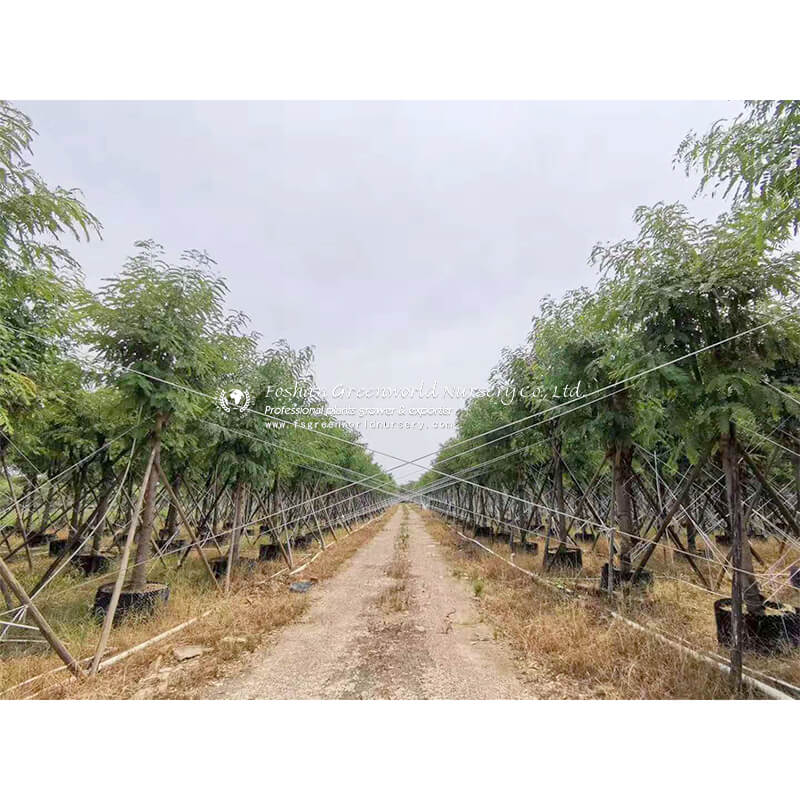
In the ever-evolving landscape of horticulture and landscaping, a diverse palette of plants has taken center stage, offering both aesthetic appeal and ecological value. From the elegant Cycas revoluta sago palm to the culturally significant Ficus racemosa, the assortment of flora available today caters to various environmental and decorative needs. This article delves into the significance, characteristics, and applications of a curated selection of ornamental and shade-providing trees and plants, offering insights into how they transform spaces and contribute to sustainability.
### The Resurgence of Cycas Revoluta Sago Palm
The Cycas revoluta, commonly known as the sago palm, stands apart as a prized ornamental plant favored for its striking symmetrical fronds and resilience. Despite its common name, the sago palm is not a true palm but belongs to an ancient group of gymnosperms. Its structural form and deep green foliage provide an exotic touch to gardens, patios, and indoor spaces alike.
Known for its slow growth and tolerance to drought, Cycas revoluta suits urban environments with minimal maintenance. Its adaptability makes it a prime candidate for landscaping in both residential and commercial settings, where longevity and low upkeep are valued. Additionally, the plant’s ability to thrive in pots as bonsai highlights its versatility, serving enthusiasts who appreciate miniature garden designs.
### A Garden Symphony: Lagerstroemia Indica and Its Companion Trees
The Lagerstroemia indica, popularly referred to as the crepe myrtle, introduces vibrant splashes of color through its abundant blossoms in hues of pink, red, and white during the summer months. Its striking vase-like shape offers an effective architectural accent in garden design, while its hardiness enables it to flourish in diverse climatic conditions.
Accompanying Lagerstroemia indica in ornamental landscaping are species such as Delonix regia, commonly called the flamboyant or royal poinciana, known for fiery red-orange flower clusters that create dramatic visual impact. Similarly, Hibiscus tiliaceus, with its varieties Rubra and the classic form, presents large, showy blooms and luxuriant foliage, ideal for tropical and subtropical gardens.
### Integration of Ecological and Cultural Trees in Urban Spaces
Beyond ornamental appeal, several trees in this assortment hold ecological and cultural importance. Pongamia pinnata, often utilized in agroforestry, enriches soil nitrogen levels and provides habitat for biodiversity. Albizia saman, the rain tree, is admired for its expansive canopy and rapid growth, making it an excellent shade tree in hot urban settings.
Millingtonia hortensis, sometimes referred to as the Indian cork tree, is beloved for its fragrant night-blooming flowers, adding sensory delight to landscapes. Similarly, Ficus nitida, a robust fig species with dense canopies, enhances urban air quality and creates microclimates, helping mitigate urban heat islands.
### Ornamental Sophistication with Exotic Foliage and Flowers
Peltophorum, with its bright yellow flowers, and Magnolia grandiflora, characterized by large, creamy white blossoms and glossy leaves, elevate garden aesthetics with exotic allure. Photinia serrulata, known for its red-tinged young leaves and white flower sprays, provides year-round interest, while Cinnamomum camphora, or camphor tree, combines aromatic foliage with historical medicinal uses.
Prunus yedoensis, or the Yoshino cherry, captivates with breathtaking springtime cherry blossoms, widely celebrated in festivals and landscape designs worldwide. Trachycarpus fortunei, a cold-hardy palm, extends the tropics' warmth into temperate regions, supporting designers who blend different climatic botanies.
### Combining Shade, Form, and Function: Tecoma Stans, Wodyetia Bifurcata, and Beyond
The bright yellow trumpet flowers of Tecoma stans draw pollinators like hummingbirds and bees, supporting local ecosystems. Wodyetia bifurcata, also known as the foxtail palm, adds a soft, feathery texture contrast with its fluffy fronds and compact trunk, suitable for small gardens or container planting.
Sea grape (Coccoloba uvifera) plants are valued for their sprawling habit, large round leaves, and edible fruit clusters, often found in coastal landscaping to stabilize dunes and prevent erosion. The Ficus genus continues to impress with multiple species such as Ficus religiosa (the sacred fig tree), notable not only for its majestic presence but also for deep spiritual significance in South Asian cultures.
Ficus racemosa, another member of this genus, is revered for its cultural and medicinal values, while many Ficus species serve important ecological roles by hosting numerous wildlife species, including fig wasps and birds.
### Bonsai and the Art of Miniaturization
The inclusion of bonsai, particularly those derived from species like Ficus nitida and Cycas revoluta, reflects the contemporary desire to blend artistry with horticulture. Bonsai practice promotes mindfulness and appreciation for natural forms on a miniature scale, fostering patience and creativity among gardeners.
### Concluding Thoughts: Harmonizing Beauty and Benefit
The interplay of diverse species such as Cycas revoluta sago palm and a broad spectrum of trees like Lagerstroemia indica, Delonix regia, Hibiscus varieties, and Ficus species underscores a holistic approach to modern planting design. This cultivates environments that are not only visually captivating but ecologically sustainable and culturally enriched.
Landscapers, urban planners, and garden enthusiasts alike are invited to explore these botanical treasures to create landscapes that celebrate biodiversity and aesthetics in equal measure. As awareness grows about the importance of green spaces in improving quality of life, the knowledge and use of such varied plants will continue to shape healthier, more vibrant living surroundings for generations to come.