
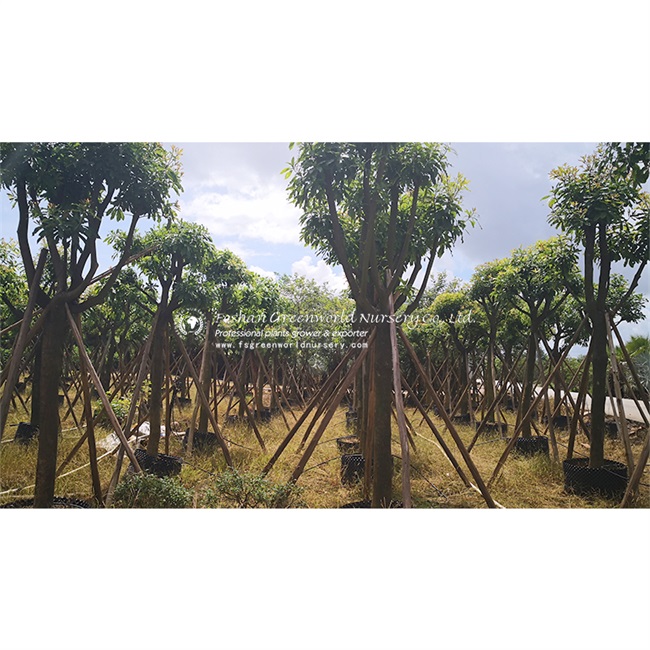
In the vibrant world of horticulture, the Roebelenii plant has steadily garnered attention for its delicate beauty and versatile applications. This plant, celebrated for its slender form and elegant foliage, is increasingly favored by gardeners, landscapers, and botanical enthusiasts alike. As landscaping trends focus on combining aesthetic appeal with environmental sustainability, the Roebelenii plant stands out as an exemplary choice amidst an impressive list of notable species, including Lagerstroemia indica, Delonix regia, Hibiscus tiliaceus, and others.
### Introduction to the Roebelenii Plant
The Roebelenii plant, commonly known as the pygmy date palm, is appreciated for its graceful pinnate fronds and compact stature. Its ability to thrive indoors and outdoors makes it a versatile addition to both residential and commercial landscapes. Unlike many tropical palms, the Roebelenii is manageable in size, rarely exceeding 10 feet in height, which allows it to fit comfortably in tight garden spaces, patios, and even office interiors.
Beyond its aesthetic appeal, this plant is revered for its capacity to improve air quality, creating a healthier environment by filtering toxins. Its relatively low maintenance requirements further enhance its appeal, making it an ideal choice for novice gardeners and seasoned professionals.
### Roebelenii in the Company of Distinguished Botanicals
The Roebelenii plant shares the botanical stage with a diverse and impressive array of species known for their ornamental and ecological significance. For instance, *Lagerstroemia indica* — commonly known as the crape myrtle — is celebrated for its vibrant summer blooms that range in color from brilliant purples to fiery reds and soft pinks. Its smooth, peeling bark and drought tolerance make it a favourite in warmer climates and urban landscapes alike.
Another striking species, *Delonix regia*, often called the flame tree, captivates observers with its expansive canopy and fiery red flowers that provide stunning seasonal displays. This tree is a symbol of tropical beauty and shade, appreciated in parks and avenues across tropical regions.
Similarly, various Hibiscus species such as *Hibiscus tiliaceus rubra* present unique features — robust in growth and adorned with large, showy flowers that attract pollinators and add bursts of color to coastal and tropical gardens. The *Pongamia pinnata* (Indian beech) is valued not only for its aesthetic presence but also for its nitrogen-fixing abilities, enhancing soil fertility and thus supporting sustainable landscaping practices.
Trees like *Albizia saman* and *Millingtonia hortensis* contribute majestic canopies and sweetly fragrant blossoms, respectively. *Ficus nitida* and *Ficus religiosa* stand out with their sprawling roots and cultural significance — the latter also known as the Sacred Fig, revered in various traditions for its spiritual importance.
### Botanical Diversity Promoting Ecological Resilience
The inclusion of species such as *Peltophorum*, *Ginkgo biloba*, and *Magnolia grandiflora* in contemporary landscaping demonstrates a commitment to diversity and resilience. *Ginkgo biloba*, for example, is a living fossil with unparalleled resistance to pollution and disease, making it an urban planting hero. *Magnolia grandiflora* enchants with its glossy leaves and exquisite white blooms that can dominate a garden with fragrance and grandeur.
Plants like *Photinia serrulata* contribute year-round interest with their bright red young leaves and dense, evergreen form, frequently used in hedges and screens. Meanwhile, *Cinnamomum camphora* (camphor tree) offers both aromatic leaves and valuable timber, balancing utility with beauty.
Shrubs and medium-sized trees such as *Prunus yedoensis* — the Yoshino cherry renowned for breathtaking springtime blossoms — and *Tecoma stans*, with its golden trumpet flowers, fulfill both ornamental and ecosystem functions by supporting pollinators and adding visual interest.
### Integrating the Roebelenii in Sustainable and Decorative Landscapes
Amid this impressive botanical gallery, the Roebelenii plant distinguishes itself through adaptability and visual grace. Its slim, arching fronds pair beautifully with the bold textures of larger trees like *Albizia saman* or the vivid blooms of *Delonix regia*. Landscape designers often use Roebelenii as a softening element around patios and pools, where its tropical aura enhances relaxation and tranquility.
Moreover, in regions facing urbanization challenges, incorporating plants like Roebelenii, alongside *Ficus racemosa* and *Wodyetia bifurcata*, helps maintain green cover and biodiversity. Their combined ecological contributions include carbon sequestration, habitat provision for urban wildlife, and improvement of microclimates by reducing heat island effects.
### Conclusion: Celebrating Botanical Richness with Roebelenii
As we celebrate the botanical diversity ranging from the delicate Lagerstroemia indica to the ancient Ginkgo biloba and the elegant Roebelenii palm, it is clear that these species collectively define the modern ethos of sustainable, beautiful, and functional horticulture. The Roebelenii plant's unique blend of visual appeal, environmental benefit, and ease of care marks it as an invaluable member of this distinguished plant family.
For gardeners, landscapers, and urban planners, embracing the Roebelenii and its botanical companions means crafting environments that are not only vibrant and inviting but also resilient and ecologically responsible. Whether planted in private gardens, parks, or commercial spaces, these plants enrich our surroundings, nurture biodiversity, and inspire an ever-deeper appreciation for nature’s artistry.