
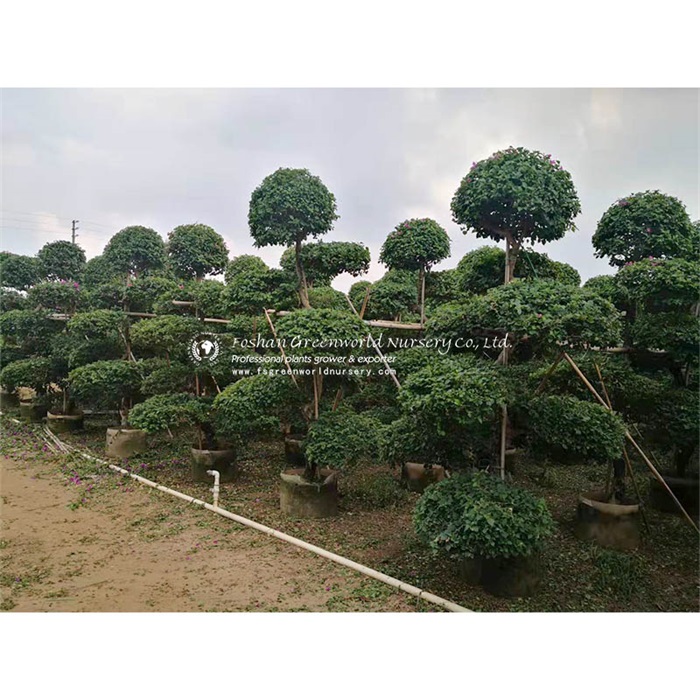
In a vibrant move towards enhancing urban greenery and promoting environmental sustainability, a recent community planting initiative has brought an impressive variety of trees and plants to local public spaces, transforming the landscape and offering a breath of fresh air to residents.
The initiative saw the introduction of several indigenous and exotic species known for their ecological benefits, ornamental beauty, and cultural significance. The project aims not only to improve air quality and provide shade but also to foster biodiversity and community engagement through nature.
Among the diverse plant palette, notable species include Lagerstroemia Indica, commonly known as the Crepe Myrtle, which adorns public parks with vibrant blooms throughout summer. This deciduous tree is celebrated for its resilience and ease of maintenance, making it ideal for urban environments.
Adding to the tropical ambiance, Delonix Regia, or the Royal Poinciana, stands out with its flamboyant fiery red flowers and broad canopy, providing excellent shade and a striking visual element. This fast-growing tree is a favorite in many warm climates, contributing vividly to the area's aesthetics.
Complementing these trees, Hibiscus Tiliaceus and its variant Hibiscus Tiliaceus Rubra have been planted along walkways and near bodies of water. These shrubs, known for their large, bright flowers, support local pollinators like bees and butterflies, playing an integral role in maintaining ecological balance.
Pongamia Pinnata, a nitrogen-fixing tree, contributes significantly to improving soil fertility and preventing erosion, while Albizia Saman, popularly called the Rain Tree, is valued for its expansive canopy and ability to thrive even in challenging urban conditions.
Millingtonia Hortensis, with its fragrant, trumpet-shaped flowers, attracts various bird species, enhancing urban biodiversity. Similarly, Ficus Nitida, a robust and large canopy tree, offers shelter and nesting spots for urban wildlife, promoting a serene coexistence of nature and city life.
The project also introduced Peltophorum and Ginkgo Biloba, two species with unique ecological and cultural significance. Peltophorum, known for its bright yellow flowers, bolsters pollinator populations, whereas the Ginkgo Biloba, often dubbed a living fossil, provides stunning autumn foliage and carries medicinal importance.
Magnolia Grandiflora contributes majestic flowers and evergreen foliage, while Photinia Serrulata, with its colorful red-tipped leaves, adds a splash of color throughout the year. Cinnamomum Camphora, or Camphor tree, renowned for its aromatic leaves and shade-giving ability, has also been included to enhance the sensory landscape.
The cherry blossom Prunus Yedoensis has been incorporated to introduce seasonal charm and foster cultural appreciation during blooming periods. For tropical texture and vertical greenery, Trachycarpus Fortunei palms have been planted, providing a lush, exotic atmosphere.
Tecoma Stans, admired for its trumpet-shaped yellow flowers, and the majestic Wodyetia Bifurcata palm, known for its graceful fronds, both contribute to the ornamental diversity of the space. The Sea Grape Plant offers coastal resilience and edible fruits, enriching local biodiversity and community nutrition.
Lastly, the inclusion of sacred and culturally significant species such as Ficus Religiosa (Sacred Fig Tree) and Ficus Racemosa serves to honor heritage and provide spiritual green spaces that invite reflection and tranquility. The art of bonsai cultivation is also celebrated within the project, showcasing miniature versions of these magnificent species to educate and inspire residents about horticultural practices.
This comprehensive planting campaign not only beautifies the urban environment but also educates the community about the importance of trees and plants in maintaining ecological balance and combating climate change. The variety of plant species chosen reflects a commitment to biodiversity, urban resilience, and cultural inclusivity.
Local environmental groups have praised the initiative, noting the benefits these trees will bring in terms of carbon sequestration, temperature regulation, and habitat provision for local fauna. Residents are encouraged to participate in ongoing care and maintenance efforts to ensure the longevity and health of these green assets.
In the coming months, educational workshops and guided nature walks will be organized to acquaint the public with the characteristics and benefits of each species planted, fostering a sense of ownership and stewardship among community members.
This transformative greening effort exemplifies how thoughtful urban planning and community collaboration can create healthier, more sustainable living spaces that nurture both people and the planet. By embracing a rich diversity of flora, the initiative paves the way for a greener, more vibrant future for the community.