
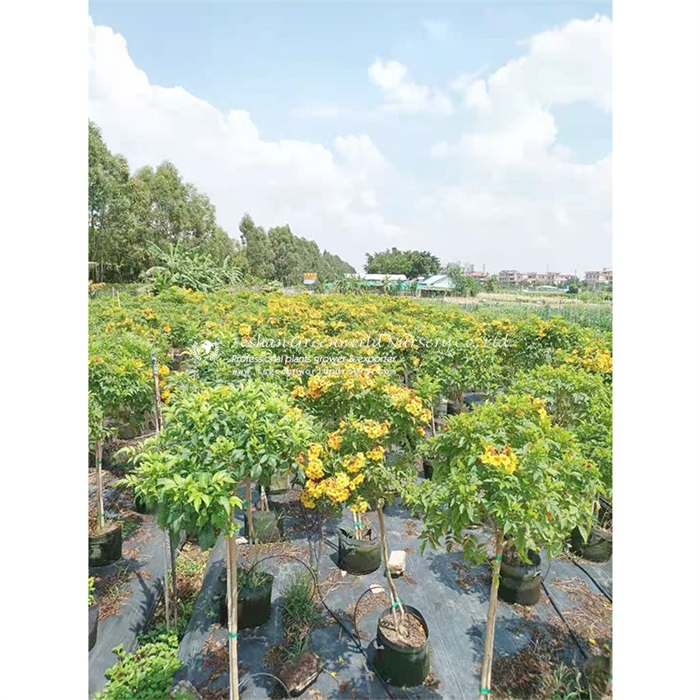
In recent years, the appreciation and cultivation of ornamental and shade trees have grown significantly across urban and suburban landscapes worldwide. These trees not only enhance aesthetic appeal but also improve environmental quality, provide shade, and support biodiversity. A fascinating variety of species, from the hardy Cycad Sago Palm to the majestic Ginkgo Biloba and the versatile Lagerstroemia Indica, form the backbone of contemporary landscaping and ecological projects.
This article provides an insightful look into some of the most popular and ecologically significant tree species, highlighting their characteristics, uses, and benefits. The diversity of species such as Delonix Regia, Hibiscus Tiliaceus, Pongamia Pinnata, Albizia Saman, Millingtonia Hortensis, Ficus Nitida, and many others offers landscapers, gardeners, urban planners, and environmentalists a rich palette of options to create vibrant green spaces.
### The Unique Appeal of Cycad Sago Palm and Other Iconic Trees
The Cycad Sago Palm, often admired for its ancient lineage and ornamental value, stands out as a resilient and visually striking plant. Despite its palm-like appearance, it belongs to the cycad family, ancient gymnosperms that have existed since the dinosaur era. Cycad Sago Palm is highly valued for its symmetrical crown of stiff, feather-like leaves and its slow growth rate, making it an excellent specimen for gardens and indoor decoration.
Coupled with the Cycad Sago Palm’s exotic appearance, trees like the Lagerstroemia Indica, commonly known as crape myrtle, add vibrant floral displays during summer. This species is celebrated for its long-lasting blooms, attractive bark, and excellent tolerance to heat and drought. It is often planted in urban parks and along streets to provide colorful accents.
### Vibrant Floras and Shade-Giving Giants
Several species are noted for their spectacular flowering and shade provisions. The Delonix Regia, known as the flamboyant or royal poinciana, is renowned for its fiery red and orange flowers that usher in tropical color. Its broad, umbrella-like canopy offers much-needed shade, making it a preferred choice for playgrounds, avenues, and large gardens.
Hibiscus species such as Hibiscus Tiliaceus and its Rubra variant enrich coastal and tropical landscapes. These shrubs and small trees boast large, striking flowers and act as erosion control plants in coastal zones. Hibiscus Tiliaceus, in particular, is tolerant of salt spray and can withstand diverse growing conditions, adding ecological value to coastal restoration projects.
Another valuable shade-providing species is Albizia Saman, commonly called the rain tree. This tree is known for its expansive spreading crown that cools the environment beneath it, making it perfect for agroforestry and roadside planting.
### Environmentally Beneficial and Sustainable Tree Choices
Species like Pongamia Pinnata (known as the Indian beech tree) are gaining attention due to their multipurpose nature. Pongamia Pinnata is fast-growing, nitrogen-fixing, and produces seeds suitable for biodiesel production, establishing it as a sustainable option for both green cover and renewable energy.
Millingtonia Hortensis, or the Indian cork tree, is valued for its fragrant flowers that attract pollinators and its fast-growing, medium-sized shade canopy. Similarly, Peltophorum and Ficus Nitida enhance urban environments by offering cooling shade, supporting wildlife, and improving air quality.
Photinia Serrulata and Magnolia Grandiflora are popular for ornamental purposes. Photinia exhibits glossy, red-toned new growth that lends color contrast, while Magnolia is admired for its impressive, fragrant blooms and evergreen foliage that brings year-round greenery.
### Trees with Cultural and Historical Significance
Some species are culturally revered and commonly found around religious sites or traditional communities. Ficus Religiosa, also known as the sacred fig tree or peepal tree, is sacred in many cultures and provides dense shade and habitat for numerous bird species. Its close relatives, such as Ficus Racemosa (cluster fig), are integral to local ecosystems and folk traditions.
Ginkgo Biloba, often described as a living fossil, not only stands as a symbol of endurance and resilience but also has medicinal uses and the ability to thrive in pollution-prone urban areas.
### Tropical and Coastal Beauties
Several species suit tropical and coastal environments, including Tecoma Stans, Wodyetia Bifurcata, Sea Grape Plant (Coccoloba uvifera), and Trachycarpus Fortunei. Tecoma Stans produces bright yellow flowers that attract butterflies and other pollinators. Wodyetia Bifurcata, known as the foxtail palm, is a favorite for tropical landscaping with its fluffy frond tips that resemble a fox’s tail.
The Sea Grape Plant is prized in coastal regions for its large leaves that stabilize sandy soils and its edible grape-like fruit. Trachycarpus Fortunei, the windmill palm, is notable for its cold-hardiness relative to other palms, expanding the range of palms used in temperate urban gardens.
### Conclusion
The diversity of tree species—from Cycad Sago Palm to Ficus Religiosa and Magnolia Grandiflora—showcases the incredible opportunities available for enhancing landscapes with beauty, shade, environmental benefits, and cultural values. Integrating these species thoughtfully in urban and rural settings aids in ecological restoration, improves air quality, combats urban heat islands, and supports biodiversity.
Landscapers, environmental planners, and tree enthusiasts are encouraged to consider the varied needs of their sites and select appropriate species from this rich assemblage to create sustainable, attractive, and ecologically beneficial green spaces that serve communities for generations to come.