
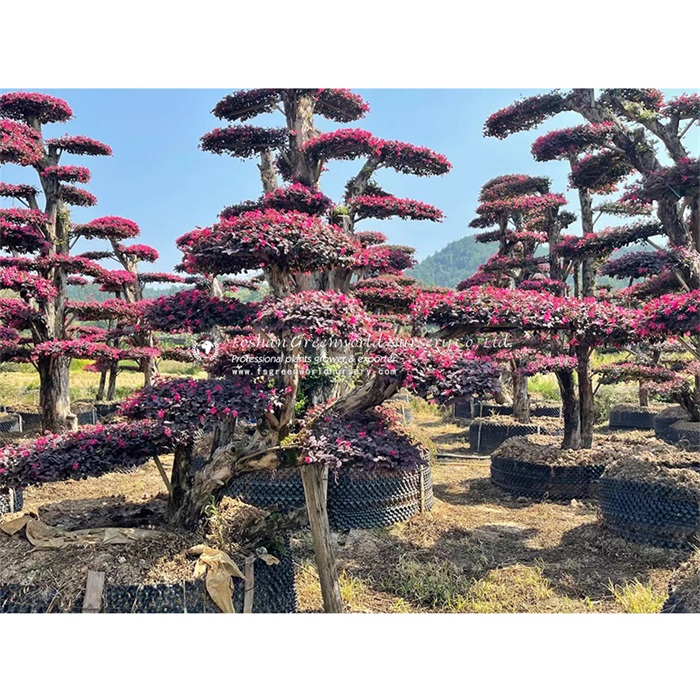
In the era of rapid urbanization and environmental change, integrating lush, sustainable greenery into cityscapes is becoming more essential than ever. Among the numerous flora species gaining recognition for their beauty, resilience, and ecological benefits is the Rhapis Excelsa Lady Palm. When combined with a rich variety of native and exotic plants such as Lagerstroemia Indica, Delonix Regia, Hibiscus Tiliaceus Rubra, and many others, urban landscaping achieves both aesthetic appeal and environmental vitality.
### The Rhapis Excelsa Lady Palm: A Symbol of Elegance and Sustainability
The Rhapis Excelsa Lady Palm, known widely for its fan-shaped leaves and elegant stature, stands out as a preferred choice for interior and outdoor landscaping. Its adaptability to different light conditions and low maintenance requirements make it an ideal option for urban environments that often face challenges such as pollution, limited space, and inconsistent watering.
Beyond its ornamental value, the Rhapis Excelsa contributes to air purification, helping to alleviate indoor pollutants and improving air quality. This characteristic is particularly beneficial in densely populated urban areas, where indoor air can be compromised by vehicle emissions and industrial activity. Incorporating Rhapis Excelsa into buildings, offices, and public spaces can thus foster healthier living and working conditions.
### Complementing Ecology with Diverse Plant Selection
The appeal of urban green spaces depends not only on individual plants but also on the diversity and ecological compatibility of the species chosen. The integrated use of plants such as Lagerstroemia Indica (commonly called Crape Myrtle), Delonix Regia (also known as the flamboyant or flame tree), and Hibiscus Tiliaceus Rubra enhances both biodiversity and landscape design.
- **Lagerstroemia Indica:** Revered for its vibrant summer flowers and smooth bark, this species is well-suited for urban environments due to its tolerance to heat and drought. Its long blooming period brings lasting color and visual interest.
- **Delonix Regia:** Famous for its striking red-orange blossoms, the flame tree is a magnificent shade provider. Offering ecological benefits, it supports local bird and insect populations, contributing to urban biodiversity.
- **Hibiscus Tiliaceus Rubra:** This hardy coastal plant thrives in saline conditions and withstands strong winds, making it valuable for coastal urban areas vulnerable to environmental stresses.
The inclusion of these species along with Pongamia Pinnata, Albizia Saman, Millingtonia Hortensis, and Ficus Nitida help create layered vegetation that enhances canopy cover, supports native fauna, and moderates urban microclimates. Trees like Pongamia Pinnata, known for nitrogen-fixing qualities, improve soil fertility naturally, ensuring healthier plant growth around them.
### Strengthening Urban Forests with Iconic and Endemic Species
Beyond shrubs and palms, the planting of emblematic trees such as Ginkgo Biloba, Magnolia Grandiflora, Photinia Serrulata, and Cinnamomum Camphora enriches urban biodiversity while adding historical and cultural significance.
- **Ginkgo Biloba:** Often called a living fossil, this tree is valued for its unique fan-shaped leaves and exceptional resilience to pollution and disease.
- **Magnolia Grandiflora:** With its large, fragrant white flowers and glossy evergreen leaves, this tree provides year-round greenery and aromatic benefits.
- **Photinia Serrulata:** Its bright red young leaves contrast vibrantly with mature foliage, making it an excellent choice for hedges and privacy buffers.
- **Cinnamomum Camphora:** Known as the camphor tree, it is prized not only for its aromatic properties but also for its ecological resilience, making it a robust urban species.
Incorporating native and culturally significant species like Prunus Yedoensis, Trachycarpus Fortunei, and Ficus Religiosa fosters ecological balance while honoring local traditions and natural heritage.
### Specialized Plants for Unique Urban Needs
Unique species like Tecoma Stans, Wodyetia Bifurcata, Sea Grape Plant, and Bonsai Sacred Fig Tree add character and specificity to urban landscapes.
- **Tecoma Stans:** Bright yellow trumpet flowers attract pollinators and provide cheerful accents in parks and gardens.
- **Wodyetia Bifurcata:** The foxtail palm with its appealing foliage is suitable for tropical or subtropical urban parks.
- **Sea Grape Plant:** Its salt tolerance and dense canopy make it ideal for seaside promenades and windbreaks.
- **Bonsai Sacred Fig Tree (Ficus Religiosa):** This revered species has spiritual and aesthetic significance, often used in contemplative garden spaces.
### Ecological and Social Benefits
Green spaces enriched by this broad spectrum of plants not only beautify cities but provide numerous ecological services:
- **Improved Air Quality:** Increased photosynthesis and pollutant absorption by diverse vegetation reduce harmful particulates.
- **Temperature Regulation:** Canopies and ground cover reduce urban heat island effects, making cities cooler.
- **Biodiversity Habitat:** Varied plants support birds, pollinators, and beneficial insects.
- **Stormwater Management:** Root systems enhance soil permeability, reducing runoff and erosion.
- **Wellbeing and Social Cohesion:** Green areas promote mental health, encourage outdoor activity, and foster community interaction.
### Conclusion
The thoughtful integration of Rhapis Excelsa Lady Palm with a wide array of native and exotic plants such as Lagerstroemia Indica, Delonix Regia, Hibiscus Tiliaceus Rubra, and many others embodies the future of sustainable urban landscaping. This holistic approach not only elevates the aesthetic appeal of urban environments but also strengthens ecological resilience and enhances the quality of life for city dwellers. As urban planners, landscape architects, and communities increasingly recognize the profound benefits of diverse vegetation, these plants will continue to shape greener, healthier, and more vibrant cities around the world.