
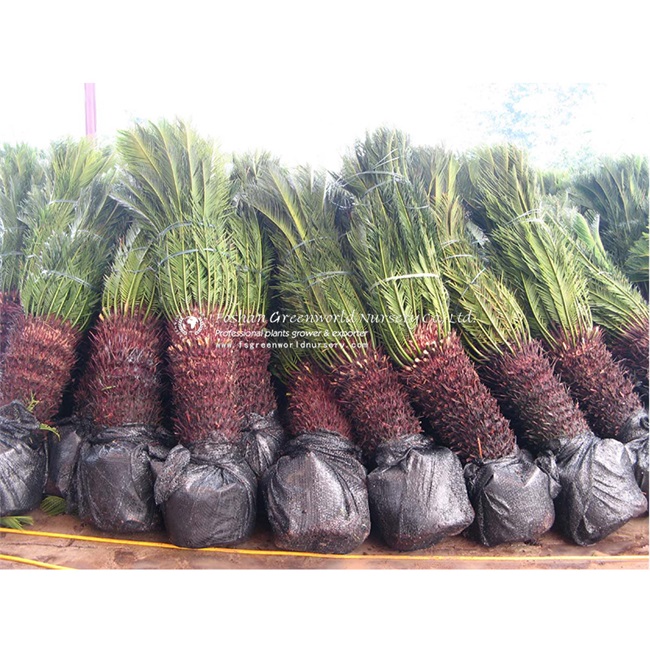
In the dynamic world of urban landscaping and gardening, plant selection plays a pivotal role in shaping both aesthetic appeal and environmental benefits. With a growing trend toward sustainable green spaces, a diverse palette of ornamental trees and plants has become essential for landscapers, gardeners, and city planners alike. Among these, the vibrant and resilient species commonly used in urban settings have demonstrated their worth in enhancing biodiversity, providing shade, and beautifying public and private spaces. This article introduces a carefully curated collection of magnificent trees and plants, presenting their unique qualities and potential applications in urban and garden landscapes.
One prominent species in this collection is the **Lagerstroemia indica**, often admired for its vivid summer blooms and beautifully textured bark. Commonly known as crape myrtle, this plant's compact size and tolerance to heat and drought make it well suited for city parks, roadside plantations, and residential gardens. The versatility of Lagerstroemia indica allows it to thrive in various soil types and withstand challenging urban conditions, ensuring long-lasting visual interest.
Another excellent addition to any outdoor setting is **Delonix regia**, renowned for its flamboyant flame-red blossoms and wide canopy that offers extensive shade. This species is not only an impressive ornamental tree but also serves an ecological purpose by attracting pollinators such as bees and butterflies. Its fast growth rate and adaptability to tropical and subtropical climates have made it a favorite for public spaces and large gardens aiming to combine beauty with environmental contributions.
In coastal and tropical regions, **Hibiscus tiliaceus**—including varieties like *Rubra*—stands out as a hardy shrub or small tree with striking yellow to red flowers. This species is highly valued for its fast growth and tolerance to saline conditions, making it ideal for seaside parks and restoration projects. Hibiscus tiliaceus also provides shelter to birds and beneficial insects, promoting biodiversity in urban ecosystems.
The collection further includes the hardy **Pongamia pinnata**, a leguminous tree known for its nitrogen-fixing properties, which enhance soil fertility. Besides its environmental benefits, Pongamia pinnata bears fragrant flowers that attract pollinators and offers durable timber. It is often used in reforestation and urban greening initiatives, contributing to sustainable development goals.
Adding to the diverse lineup is the majestic **Albizia saman**, commonly called the rain tree. Its broad umbrella-shaped canopy provides extensive shade, making it perfect for parks and playgrounds. Known for its fast growth and ability to improve soil quality, Albizia saman contributes significantly to urban cooling, an essential factor in mitigating the urban heat island effect.
**Millingtonia hortensis**, occasionally referred to as the Indian cork tree, is another attractive ornamental species with fragrant white flowers that bloom in the evening. The tree’s slender form and delicate blooms make it a popular choice for boulevards and home gardens. It is also appreciated for its air-purifying qualities in dense urban settings.
Among the evergreen selections, **Ficus nitida** and **Ficus religiosa** stand out for their cultural and ecological importance. Ficus nitida, notable for its dense canopy and aerial roots, is ideal for creating shaded areas and bonsai specimens. Ficus religiosa, or the sacred fig, holds religious significance across many cultures and supports a variety of wildlife, including birds and bats, by providing food and habitat.
Other remarkable species include:
- **Peltophorum** species, known as copper pod trees, dazzling with their bright yellow flowers.
- The ancient ginkgo, **Ginkgo biloba**, whose fan-shaped leaves turn golden in autumn, symbolizing resilience and longevity.
- **Magnolia grandiflora**, with its large, creamy-white flowers and glossy leaves, offers a classic Southern charm.
- **Photinia serrulata**, a popular ornamental shrub with striking red-tinted new growth.
- **Cinnamomum camphora** or camphor tree, valued for its aromatic leaves and extensive canopy.
- The elegant cherry blossom, **Prunus yedoensis**, that ushers in spring with delicate pale pink flowers.
- **Trachycarpus fortunei**, a hardy palm suited for subtropical landscaping.
- **Tecoma stans**, also known as yellow bells, which brightens gardens with its trumpet-shaped yellow flowers.
- **Wodyetia bifurcata**, the foxtail palm, noted for its ornamental feathery fronds.
- The charming **sea grape plant**, ideal for coastal landscapes, offering unique fruits and large, leathery leaves.
- **Ficus racemosa**, a fig tree species known for its clustered fruit that supports numerous wildlife species.
This eclectic collection presents an ideal palette for city planners and gardeners eager to enhance green infrastructure, encourage urban biodiversity, and create inviting spaces for communities. Each species has been carefully selected for its resilience, ornamental value, and ecological benefits, forming a cohesive, sustainable green framework adaptable to various climatic zones and urban conditions.
Urban greening efforts benefit from such diverse selections by improving air quality, reducing heat, supporting pollinators, and enhancing the psychological well-being of residents. By incorporating species like those highlighted above, planners can design multi-layered green spaces that serve ecological functions while delivering year-round visual interest.
As demand grows for sustainable and aesthetically pleasing landscapes, understanding the characteristics and advantages of these species becomes increasingly important. Whether for street beautification, park development, residential gardens, or restoration projects, this assembly of trees and plants offers versatile and enduring options.
In conclusion, embracing this rich variety of ornamental and functional plants promises a greener, healthier, and more vibrant urban environment. With their unique attributes—ranging from drought tolerance to shade provision and cultural significance—these species are well-equipped to meet the challenges of modern urban landscaping and enrich the natural fabric of our cities.
---
**About the Collection**
This plant assemblage includes scientifically recognized and widely admired species, ideally suited for enhancing landscape architecture and urban forestry initiatives globally. Whether for large-scale municipal planting or personalized garden projects, these species stand out for their adaptability, resilience, and aesthetic excellence.
By selecting these trees and plants, landscape professionals and city authorities ensure ecological balance, improve urban microclimates, and foster community engagement through greener, more inviting spaces.