
As cities continue to expand and urbanize, the importance of urban greening and sustainable landscaping grows ever more critical. The incorporation of diverse tree species into urban environments not only beautifies cityscapes but also delivers crucial ecological, social, and health benefits. Among these species, a variety of distinguished trees such as Lagerstroemia Indica, Delonix Regia, Hibiscus Tiliaceus, and Ficus Altissima play significant roles. This article explores the value of these trees, highlighting their characteristics, benefits, and the impact they have on urban environments.
### The Significance of Urban Trees
Urban trees are vital components of the built environment, offering shade, reducing heat islands, improving air quality, and providing habitats for urban wildlife. Their presence enhances mental well-being, encourages outdoor activities, and strengthens community ties. Municipal authorities, landscape architects, and environmental planners are increasingly prioritizing the selection and cultivation of resilient and aesthetically pleasing tree species suitable for city settings.
### Noteworthy Species in Urban Landscaping
A multitude of species are utilized in urban greening projects, each contributing unique attributes. Here, we delve into some of the prominent trees widely employed:
- **Lagerstroemia Indica (Crape Myrtle):** Highly favored for its vibrant summer flowers, exfoliating bark, and adaptability to different soils, it thrives in warm climates and urban settings. Its long blooming period adds continuous visual interest.
- **Delonix Regia (Royal Poinciana):** Known for its striking fiery red flowers and broad, umbrella-like canopy, it offers ample shade and is a favorite for avenues and parks in tropical and subtropical regions.
- **Hibiscus Tiliaceus (Sea Hibiscus):** Often planted in coastal zones due to its salt tolerance, this species supports soil stabilization and provides habitat for various bird species. Variants like Hibiscus Tiliaceus Rubra add ornamental value through their distinct foliage colors.
- **Pongamia Pinnata (Indian Beech):** Beyond ornamental use, it is recognized for its nitrogen-fixing ability, enhancing soil fertility and supporting sustainable urban forestry efforts.
- **Albizia Saman (Rain Tree):** With its wide-spreading canopy, it offers extensive shade and is valuable in parks and public spaces.
- **Millingtonia Hortensis (Indian Cork Tree):** Appreciated for its fragrant white flowers and tall, graceful stature, it enhances aesthetic appeal and air quality.
- **Ficus Nitida:** A robust shade tree that also provides dense canopy cover and habitat diversity within urban areas.
- **Peltophorum:** Its bright yellow blossoms and moderate size make it an attractive choice for streetscapes.
- **Ginkgo Biloba:** A living fossil prized for its unique fan-shaped leaves that turn brilliant yellow in autumn, it adapts well to urban pollution and soil compaction.
- **Magnolia Grandiflora:** With its large, fragrant white flowers and glossy evergreen leaves, it offers year-round beauty.
- **Photinia Serrulata:** Known for its vibrant red new foliage, it is used for hedges or standalone specimens.
- **Cinnamomum Camphora (Camphor Tree):** Revered for its aromatic leaves and robust growth, it can live for centuries, symbolizing endurance in urban forestry.
- **Prunus Yedoensis (Yoshino Cherry):** Celebrated for its delicate spring blossoms, it brings seasonal color and cultural significance.
- **Trachycarpus Fortunei (Windmill Palm):** Adds a tropical flair to landscapes and thrives in a range of environments.
- **Tecoma Stans:** Its bright yellow trumpet-shaped flowers attract pollinators and add vibrant color.
- **Wodyetia Bifurcata (Foxtail Palm):** A striking palm species favored for modern landscape design.
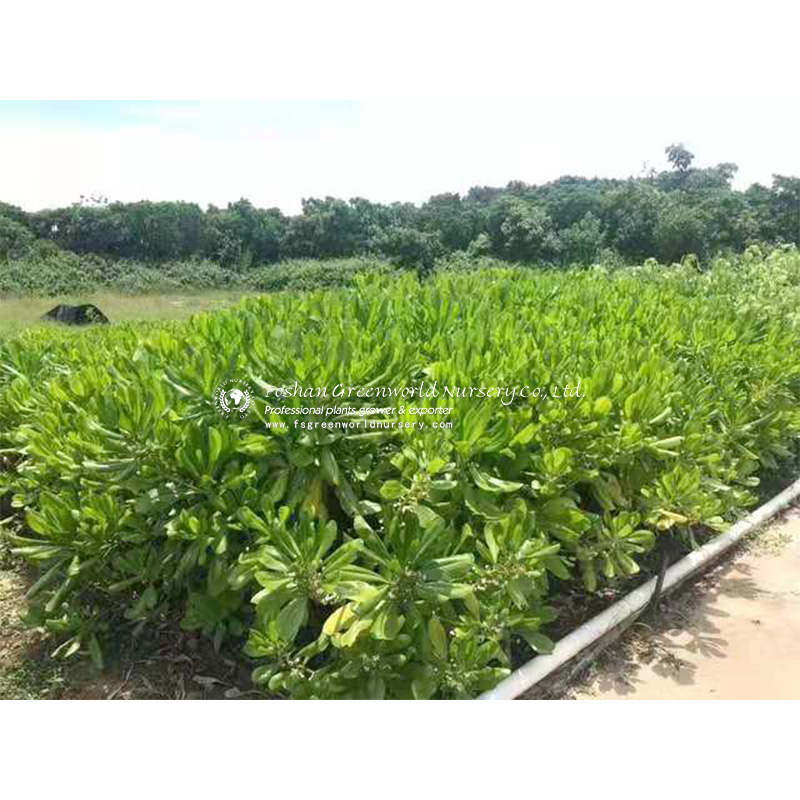
- **Sea Grape Plant:** Useful for coastal landscaping, providing dense foliage and edible fruits.
- **Ficus Religiosa (Sacred Fig) and Ficus Racemosa:** These figs are revered culturally and ecologically, providing dense shade and supporting urban biodiversity.
### Spotlight on Ficus Altissima
Among these diverse species, Ficus Altissima holds a unique place in urban forestry. It is a large evergreen tree known for its extensive canopy and air-purifying capabilities. In dense urban areas, Ficus Altissima offers significant benefits by improving microclimates, providing habitat for birds and insects, and enhancing the aesthetic quality of streets and parks. Its rapid growth and resilience make it suitable for a variety of urban conditions, including highly polluted or compacted soils. However, due care is necessary when planting, as the extensive root system may interfere with underground infrastructure if not managed properly.
### Integrating Multiple Species for Resilience
Urban forestry experts emphasize the importance of biodiversity to combat pests, diseases, and the impacts of climate change. A monoculture approach can lead to vulnerability; hence integrating trees such as those mentioned above—ranging from flowering crape myrtles to sturdy camphor trees—ensures resilience and continuity in ecological services.
Moreover, choosing native or well-adapted species supports local wildlife and reduces maintenance costs. For example, Pongamia Pinnata enriches the soil while supporting local pollinators, and Hibiscus Tiliaceus serves as a natural barrier along coastal urban fringes.
### Social and Environmental Impact
Trees in cities contribute to reducing air pollution by filtering particulates, lowering carbon dioxide levels, and producing oxygen. They mitigate urban heat islands by shading buildings and pavements, which also leads to decreased energy consumption. Additionally, green spaces stimulate social interaction, recreation, and mental well-being among residents.
With awareness growing globally about the urgency of sustainable urban development, public and private sectors are investing in large-scale planting initiatives that include a broad palette of trees, reflecting not only the ecological needs but also cultural and aesthetic preferences.
### Conclusion
Effective urban greening requires a strategic selection of diverse tree species that together foster ecological balance, enhance urban aesthetics, and improve residents’ quality of life. From the flamboyant blooms of Delonix Regia to the hardy shade of Ficus Altissima, these trees collectively transform concrete jungles into greener, healthier, and more inviting places.
As cities evolve, embracing such diverse species will remain a cornerstone of sustainable urban planning and environmental stewardship, ensuring that future generations enjoy the manifold benefits that urban trees silently provide day after day.