
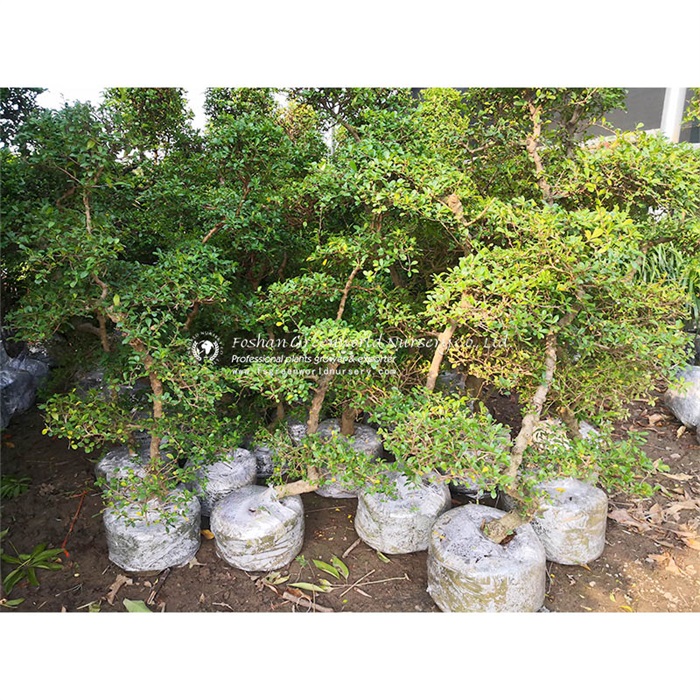
In recent years, the appreciation for unique and aesthetically pleasing trees has surged, especially among horticulturists, landscapers, and urban planners seeking to enhance green spaces. One such tree that has captured attention is *Ficus Altissima Variegata*, renowned for its striking variegated leaves and hardy growth habits. Alongside this remarkable species, a spectrum of other ornamental trees—ranging from the flowering *Lagerstroemia Indica* to the majestic *Magnolia Grandiflora*—are being widely cultivated and studied for their ecological and ornamental value.
### Ficus Altissima Variegata: Beauty in Every Leaf
*Ficus Altissima Variegata* is a variegated form of the otherwise robust *Ficus Altissima*, distinguished by its strikingly patterned leaves, which display an appealing combination of green and creamy white. This natural variegation adds a layer of texture and visual interest to landscapes, making it a favored choice for both indoor bonsai enthusiasts and outdoor garden designers.
Apart from aesthetic appeal, *Ficus Altissima Variegata* thrives in diverse climates, adapts well to varying soil conditions, and is relatively low-maintenance. Its dense foliage provides ample shade, and its expansive canopy supports urban biodiversity by offering habitats for birds and insects. This tree not only beautifies spaces but also contributes to improving urban microclimates, mitigating heat, and enhancing air quality.
### Complementing Species: Variety and Versatility
The remarkable qualities of *Ficus Altissima Variegata* are complemented by a versatile collection of trees often recommended for landscaping projects:
- **Lagerstroemia Indica (Crape Myrtle):** Known for its spectacular summer blooms in hues ranging from vibrant pinks and reds to whites and purples, *Lagerstroemia Indica* provides long-lasting color and ornamental appeal. Its vase-shaped growth habit fits well in urban and suburban gardens.
- **Delonix Regia (Flame Tree):** Famed for fiery red-orange flowers that adorn its broad canopy, *Delonix Regia* is often planted in parks and avenues, offering a dramatic visual impact during blooming seasons.
- **Hibiscus Tiliaceus Rubra (Red Sea Hibiscus):** This fast-growing tropical tree is appreciated for its attractive red-tinted foliage and bright yellow hibiscus flowers, thriving particularly in coastal environments.
- **Pongamia Pinnata (Indian Beech):** A nitrogen-fixing tree, *Pongamia Pinnata* improves soil fertility and is well-suited for reforestation and agroforestry applications, alongside its use as an ornamental shade tree.
- **Albizia Saman (Rain Tree):** Known for its expansive umbrella-shaped canopy, it offers excellent shade and supports rich biodiversity, making it a staple in tropical landscape designs.
- **Millingtonia Hortensis (Indian Cork Tree):** Noted for its fragrant white flowers that bloom profusely, this tree adds both beauty and scent to garden spaces.
- **Ficus Nitida:** A popular large shade tree with glossy dense foliage, often used as a street tree or in parks.
- **Peltophorum:** Often called the Yellow Flame tree, its bright yellow flowers create vibrant landscapes when in full bloom.
- **Ginkgo Biloba:** This ancient “living fossil” possesses fan-shaped leaves that turn golden in autumn, appreciated for ornamental and medicinal uses.
- **Magnolia Grandiflora:** This evergreen with its large, fragrant white flowers is widely admired for its stately form and glossy leaves.
- **Photinia Serrulata:** This shrub or small tree is valued for its red young leaves and white spring flowers, frequently used in ornamental hedging.
- **Cinnamomum Camphora (Camphor Tree):** A broad-leaved evergreen tree with aromatic leaves, evergreen canopy, and notable size.
- **Prunus Yedoensis (Yoshino Cherry):** Celebrated for its delicate pale pink blossoms that herald spring.
- **Trachycarpus Fortunei (Windmill Palm):** Though a palm and not a tree in traditional folklore, it adds exotic flair to landscapes and is quite hardy.
- **Tecoma Stans (Yellow Bells):** Produces vibrant yellow trumpet-shaped flowers, attracting pollinators.
- **Wodyetia Bifurcata (Foxtail Palm):** Known for its feathery plumose leaves and graceful appearance.
- **Sea Grape Plant:** Coastal tree with large, round leaves and edible fruit, adapted to sandy soils.
- **Ficus Religiosa (Sacred Fig Tree):** Revered in many cultures, this species is both symbolic and ecologically significant.
- **Ficus Racemosa:** Recognized for its distinctive fruit clusters and wide use in traditional medicine.
### Ecological and Aesthetic Benefits
Incorporating such diversity not only enhances visual appeal but also contributes to ecological balance. Trees like *Pongamia Pinnata* and *Albizia Saman* play functional roles in nitrogen fixation, soil enrichment, and providing habitat, while species like *Delonix Regia* and *Lagerstroemia Indica* add seasonal color and attract pollinators such as bees and butterflies.
Urban areas enriched with a variety of trees experience lower temperatures, reduced noise pollution, and improved mental well-being among inhabitants. Furthermore, many of these trees have cultural and medicinal significance, linking nature with heritage and health.
### Toward a Greener Future
With increasing awareness about climate change, carbon sequestration, and urban greening, selecting a diverse palette of tree species, including *Ficus Altissima Variegata* and the aforementioned trees, is imperative. Their combined attributes foster resilient urban ecosystems capable of adapting to environmental stresses.
Nurseries and landscape architects are championing the use of such diverse species, advocating for native and well-adapted trees that maintain ecological balance while enhancing aesthetics. Public planting programs and private gardens alike have benefited from integrating these trees, creating green spaces that are both beautiful and sustainable.
### Conclusion
The spotlight on *Ficus Altissima Variegata* exemplifies how variegated and visually stunning trees contribute enormously to ornamental horticulture. Paired with a comprehensive assortment of other species—from flowering icons to evergreen giants—these trees embody the potential to transform environments while offering ecological benefits.
As the appreciation and science of urban forestry evolve, the thoughtful selection and cultivation of such species will play a pivotal role in building greener, healthier, and more beautiful urban and suburban landscapes for generations to come.