
In an effort to promote urban greening and environmental sustainability, city planners and environmental experts have launched a comprehensive initiative focusing on the integration of diverse tree species into public spaces. The program aims to increase urban biodiversity, improve air quality, and provide aesthetic and health benefits to residents. The initiative places a strong emphasis on both native and exotic tree species that have shown resilience and ecological value in urban settings.
Among the notable species included in the initiative is the venerable Sacred Fig Tree, renowned for its cultural significance and ecological benefits. This species, known scientifically as Ficus Religiosa, has been a symbol of longevity and spiritual importance in many cultures, often planted near temples and public parks. Its expansive canopy and robust growth make it an ideal candidate for urban planting, providing ample shade and contributing to carbon sequestration.
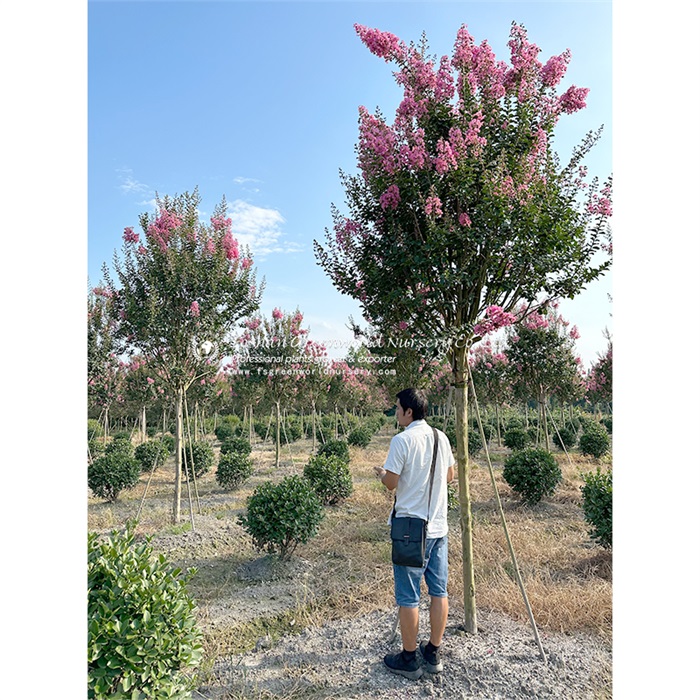
The company spearheading the distribution and cultivation of these species brings a diverse portfolio of trees suited for various urban conditions. Their offerings include Lagerstroemia Indica, commonly known as the Crepe Myrtle, appreciated for its vibrant summer blooms and adaptability to harsh urban climates. Additionally, the Lagerstroemia Indica Vase offers a unique vase-shaped growth habit, making it a favored ornamental choice for boulevards and plazas.
The royal Delonix Regia, or Flame Tree, dazzles with its flamboyant red flowers and broad canopy, which not only enhances the city's visual appeal but also attracts pollinators. Complementing these ornamental trees are species like Hibiscus Tiliaceus Rubra and Hibiscus Tiliaceus, which thrive in coastal environments and contribute to stabilizing soil and improving air quality.
The company's catalogue also features Pongamia Pinnata, a leguminous tree valued for its nitrogen-fixing abilities and use in biofuel production. Albizia Saman, commonly referred to as the Rain Tree, is celebrated for its umbrella-like canopy that offers shade in parks and along roadsides, enhancing comfort in outdoor public spaces.
Millingtonia Hortensis, with its fragrant white flowers, not only blossoms beautifully but also supports local biodiversity by attracting various pollinators. Ficus Nitida, another fig species, is favored for its dense canopy and low maintenance requirements, making it suitable for urban environments with space constraints.
Peltophorum, Ginkgo Biloba, and Magnolia Grandiflora add to the diversity, each with unique ecological and aesthetic attributes. Ginkgo Biloba, known as a living fossil, is particularly valued for its resistance to urban pollution and distinctive fan-shaped leaves that turn bright yellow in the fall. Magnolia Grandiflora, with its large, fragrant blossoms, offers year-round greenery and seasonal beauty.
Photinia Serrulata and Cinnamomum Camphora provide evergreen options with glossy leaves and pleasant scents, contributing to year-round greenery and improved air quality. Prunus Yedoensis, notable for its cherry blossoms, brings seasonal splendor, attracting tourists and residents alike during its blooming period.
Tropical species such as Trachycarpus Fortunei, a hardy palm, and Tecoma Stans, known for its bright yellow trumpet-shaped flowers, offer additional options for enhancing urban landscapes, especially in warmer climates. Wodyetia Bifurcata, commonly known as the Foxtail Palm, brings an exotic flair to promenades and public gardens.
Sea Grape Plants contribute to coastal resilience, reducing erosion while providing food for local wildlife. The inclusion of bonsai varieties of the Sacred Fig Tree and Ficus Racemosa highlights the initiative's commitment to combining traditional horticultural art with modern urban landscaping.
This urban greening project reflects a holistic understanding of the ecological, cultural, and social importance of trees. By selecting a diverse range of species—from robust native trees to exotic ornamentals and useful biofuel producers—the initiative ensures resilience against pests, diseases, and changing climatic conditions.
City officials have expressed enthusiasm for the program, noting that increasing green cover will not only beautify urban spaces but also improve public health by reducing heat island effects and filtering air pollutants. Educational campaigns accompanying the planting efforts aim to raise public awareness about the importance of urban forestry and community involvement in tree care.
In conclusion, the integration of these carefully selected tree species into city landscapes stands as a testament to sustainable urban development. The initiative embodies a balanced approach that respects ecological value, cultural heritage, and modern urban needs—promising a greener, healthier future for the city and its residents.