
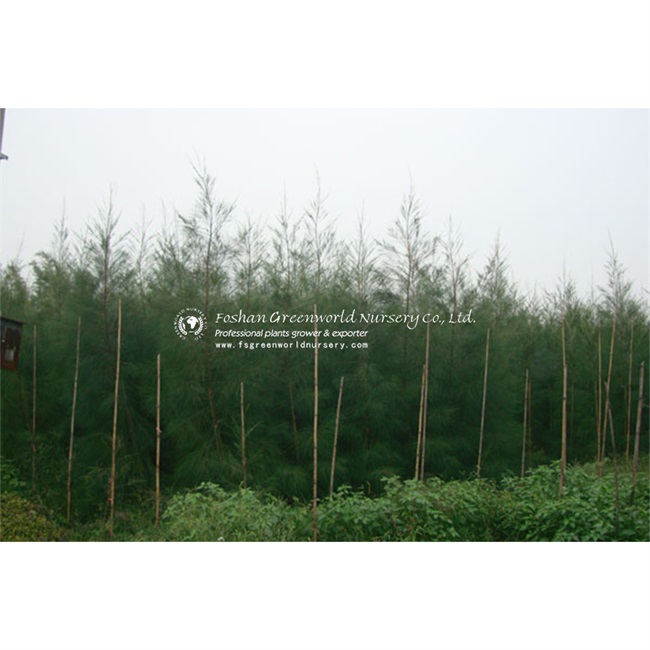
Urban greenery has become an essential focus for environmental conservation and enhancement of human well-being. Among the diverse species enriching cityscapes, the Sacred Fig Tree—often referred to by its scientific name—stands out for its historical, cultural, and ecological significance. In line with this, companies specializing in the cultivation and distribution of a wide array of ornamental and shade trees, including Lagerstroemia Indica, Delonix Regia, Hibiscus Tiliaceus variants, and others, have increasingly promoted the Sacred Fig Tree as a vital component of urban forestry projects.
**A Closer Look at the Sacred Fig Tree**
The Sacred Fig Tree is renowned not only for its majestic appearance but also for its deep-rooted cultural importance, especially in Asian traditions. It is a species well-known for its longevity and sturdy growth, capable of withstanding various climatic conditions. Its broad canopy provides ample shade, making it an ideal choice for public parks, streetscapes, and institutional grounds. Additionally, the tree supports biodiversity, offering habitat and nourishment to numerous bird and insect species.
In addition to the Sacred Fig Tree, companies are also involved in the propagation and supply of other valuable species such as the Lagerstroemia Indica, with its beautiful crepe-myrtle flowers; the flamboyant Delonix Regia, known for vivid red blossoms; and the Hibiscus Tiliaceus and its variants, which are prized for their ornamental appeal in tropical landscapes. These species, along with others like Pongamia Pinnata, Albizia Saman, and Millingtonia Hortensis, complement urban planting programs by offering diverse aesthetic and ecological benefits.
**Company Expertise in Tree Cultivation and Environmental Enhancement**
The horticultural company behind this green initiative boasts an impressive portfolio of tree species designed to transform urban environments. With expertise in cultivating a comprehensive list of trees—such as Ficus Nitida, Peltophorum, Ginkgo Biloba, Magnolia Grandiflora, Photinia Serrulata, Cinnamomum Camphora, Prunus Yedoensis, Trachycarpus Fortunei, Tecoma Stans, Wodyetia Bifurcata, and the Sea Grape Plant—they have positioned themselves as leaders in green landscaping solutions.
This diverse assortment of trees caters to various environmental needs. While some species like the Ginkgo Biloba and Magnolia grandiflora bring seasonal beauty and air purification benefits, others, such as Pongamia Pinnata and Albizia Saman, offer robust growth and nitrogen-fixing properties that improve soil health. The Sea Grape Plant and the Tecoma Stans provide attractive foliage and flowers, enriching the urban habitat and supporting pollinator populations.
**The Role of Sacred Fig and Associated Trees in Urban Sustainability**
Integrating the Sacred Fig Tree within urban forestry projects contributes to more than just aesthetic improvements. It plays an active role in combating urban heat islands by reducing ambient temperatures through dense foliage shade. Furthermore, these trees enhance air quality by filtering pollutants and sequestering carbon dioxide, an important factor in addressing climate change challenges.
The company’s strategic approach to tree selection aligns with environmental sustainability goals. By offering a variety of species suited to different microclimates and soil conditions, they ensure enhanced survival rates and long-term benefits. The inclusion of species like Millingtonia Hortensis and Ficus Nitida ensures accelerated canopy coverage and habitat creation, supporting urban wildlife.
**Cultural and Medicinal Relevance of the Sacred Fig Tree**
Beyond their environmental roles, the Sacred Fig Tree holds significant cultural symbolism, often revered in spiritual contexts. Its association with enlightenment and peace underscores its revered status in many communities. Additionally, traditional medicine utilizes parts of this tree for their therapeutic properties, adding yet another layer of societal value.
As cities expand and modernize, maintaining this connection between nature and culture becomes important. By cultivating Sacred Fig Trees alongside other notable species, the company facilitates not only ecological balance but also cultural preservation within urban spaces.
**Ongoing Initiatives and Future Prospects**
Looking ahead, the company continues to innovate in sustainable urban forestry. Their commitment to research and development includes improving cultivation techniques and expanding the genetic diversity of tree populations. Educational programs aimed at raising community awareness about the benefits of these trees are also part of their ongoing outreach.
Urban planners and environmentalists are increasingly recognizing the importance of integrating scientifically-backed planting schemes. With the company’s comprehensive expertise in species like the Sacred Fig Tree and a broad spectrum of ornamental and beneficial plants, cities can look forward to greener, healthier, and more resilient environments.
**Conclusion**
The Sacred Fig Tree epitomizes the blend of ecological function, cultural heritage, and urban beautification. Supported by a wide range of tree species cultivated by leading horticultural companies, the future of urban greenery looks promising. Their efforts not only enhance the quality of life for urban residents but also contribute meaningfully to global environmental sustainability goals. Planting and nurturing such trees is an investment in the health and harmony of tomorrow’s cities, ensuring that natural beauty and ecological balance thrive hand in hand.