
In today’s rapidly urbanizing world, the significance of greenery and tree planting cannot be overstated. Trees not only embellish our surroundings but also play a pivotal role in maintaining ecological balance, enhancing air quality, and providing medicinal benefits. Among the myriad of tree species cherished for their aesthetic and cultural value, *Ficus Religiosa* stands out prominently. This article delves into the fascinating attributes of *Ficus Religiosa* alongside an overview of other notable tree species, highlighting their importance in landscaping, biodiversity, and traditional uses.
### The Majestic Ficus Religiosa: A Symbol of Spirituality and Ecological Value
Commonly known as the Sacred Fig, *Ficus Religiosa* is revered across many cultures, particularly in South Asia where it holds sacred significance in Buddhism, Hinduism, and Jainism. Its heart-shaped leaves and expansive canopy not only provide shade but also create an environment conducive to biodiversity. Beyond its cultural symbolism, the tree supports numerous bird and insect species, thereby enhancing urban biodiversity.
From a botanical perspective, *Ficus Religiosa* is a hardy and resilient species, well-suited to varying climatic conditions. Its ability to thrive in urban and semi-urban settings makes it an excellent candidate for city greening projects. Moreover, the tree is known for its medicinal properties; extracts from its bark, leaves, and fruit have been traditionally used to manage ailments such as asthma, diabetes, and inflammatory conditions.
### A Glimpse into Other Noteworthy Tree Species
The diversity of tree species suitable for ornamental and medicinal purposes is vast, each offering unique characteristics that contribute to environmental and human well-being. Below is an introduction to a selection of trees known for their beauty, resilience, or therapeutic use:
- **Lagerstroemia Indica (Crape Myrtle):** Admired for its vibrant blossoms in shades of pink, white, and purple, this deciduous tree is a favorite in ornamental gardening. Its smooth bark and prolific flowering add season-long interest to urban landscapes.
- **Delonix Regia (Flamboyant Tree):** Famous for its fiery red flowers, the flamboyant tree provides striking visual appeal. It thrives in tropical climates and offers ample shade.
- **Hibiscus Tiliaceus & Hibiscus Tiliaceus Rubra:** Commonly known as the sea hibiscus, these trees feature large, lush leaves and bright flowers, making them popular in coastal landscaping.
- **Pongamia Pinnata (Indian Beech):** Aside from ornamental value, this species is notable for its biofuel potential and nitrogen-fixing root system, enhancing soil fertility.
- **Albizia Saman (Rain Tree):** With its expansive canopy and feathery foliage, the rain tree is perfect for parks and large open spaces, providing excellent shade.
- **Millingtonia Hortensis (Indian Cork Tree):** Known for its fragrant white flowers, this tree is both medicinal and ornamental.
- **Ficus Nitida (Indian Laurel Fig):** A robust shade tree commonly planted in urban areas for its dense canopy and adaptability.
- **Peltophorum:** This genus includes species that produce bright yellow flowers and are suitable for decorative purposes.
- **Ginkgo Biloba:** A living fossil, the ginkgo tree is valued for its unique fan-shaped leaves and has medicinal uses related to cognitive health.
- **Magnolia Grandiflora:** Renowned for its large, fragrant white flowers and glossy leaves, this evergreen tree is a garden favorite.
- **Photinia Serrulata:** Often used as hedges or ornamental shrubs, Photinia species display vibrant red young leaves.
- **Cinnamomum Camphora (Camphor Tree):** Famous for camphor oil extraction, the tree also serves as an ornamental specimen.
- **Prunus Yedoensis (Yoshino Cherry):** Celebrated for its beautiful spring blossoms, it ranks among the iconic flowering trees in temperate zones.
- **Trachycarpus Fortunei (Windmill Palm):** Adding tropical flair, this palm is hardy and often used in landscape design.
- **Tecoma Stans:** Recognized for its bright yellow trumpet-shaped flowers, it attracts pollinators and enhances biodiversity.
- **Wodyetia Bifurcata (Foxtail Palm):** Known for its soft, bushy fronds resembling a fox’s tail, this palm is popular in tropical landscaping.
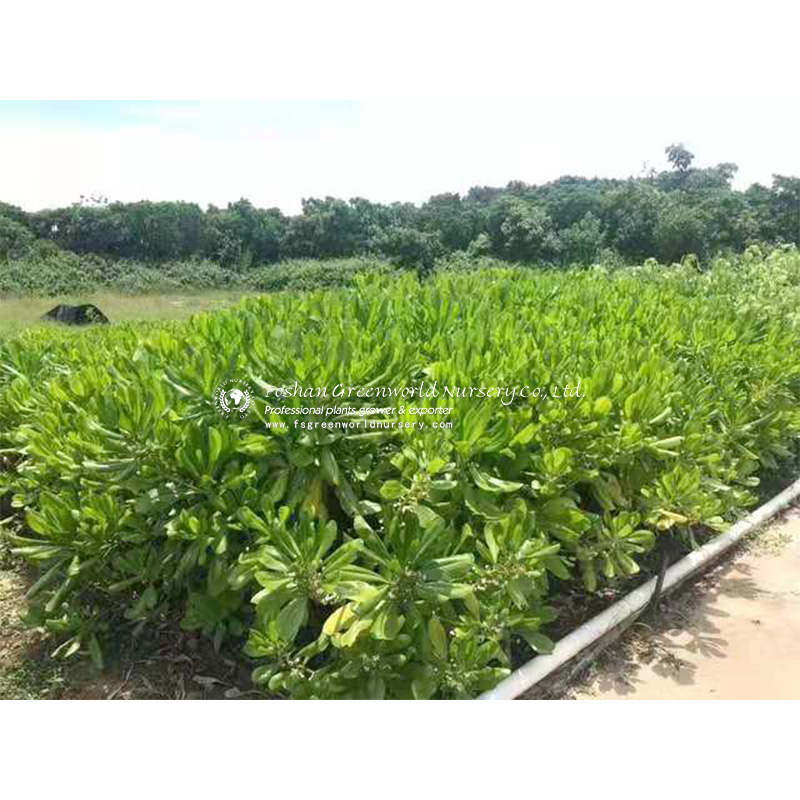
- **Sea Grape Plant:** Valued for coastal planting due to its salt tolerance and large grape-like clusters of fruit.
- **Ficus Racemosa:** Another member of the fig family, this species yields fruit and plays a role in traditional medicine.
### The Role of These Trees in Urban Greening and Sustainable Development
Urban planners and environmentalists increasingly advocate for incorporating diverse tree species in green infrastructure projects. Each of the trees mentioned offers unique benefits—from shade and aesthetic appeal to ecological services such as air purification, carbon sequestration, and habitat provision. Species like *Ficus Religiosa* and *Albizia Saman* excel in providing shade and cooling urban heat islands, while biofuel species like *Pongamia Pinnata* contribute to renewable energy goals.
Medicinal trees such as *Ginkgo Biloba* and *Ficus Racemosa* also highlight the intersection between nature and health, reminding us that preserving biodiversity has direct human benefits beyond beauty.
### Conclusion
In embracing the full spectrum of tree species ranging from the sacred *Ficus Religiosa* to the flamboyant *Delonix Regia* and the resilient *Pongamia Pinnata*, cities and landscapes can foster environments that are ecologically balanced, culturally rich, and health-promoting. The synergy of these trees enhances not only the urban aesthetic but also delivers tangible environmental and social benefits, making it imperative to prioritize their conservation and propagation in future greening initiatives.
As awareness about the multifaceted values of trees grows, so does the commitment to planting and nurturing them for generations to come, ensuring that the legacy of these magnificent species endures in harmony with human progress.