
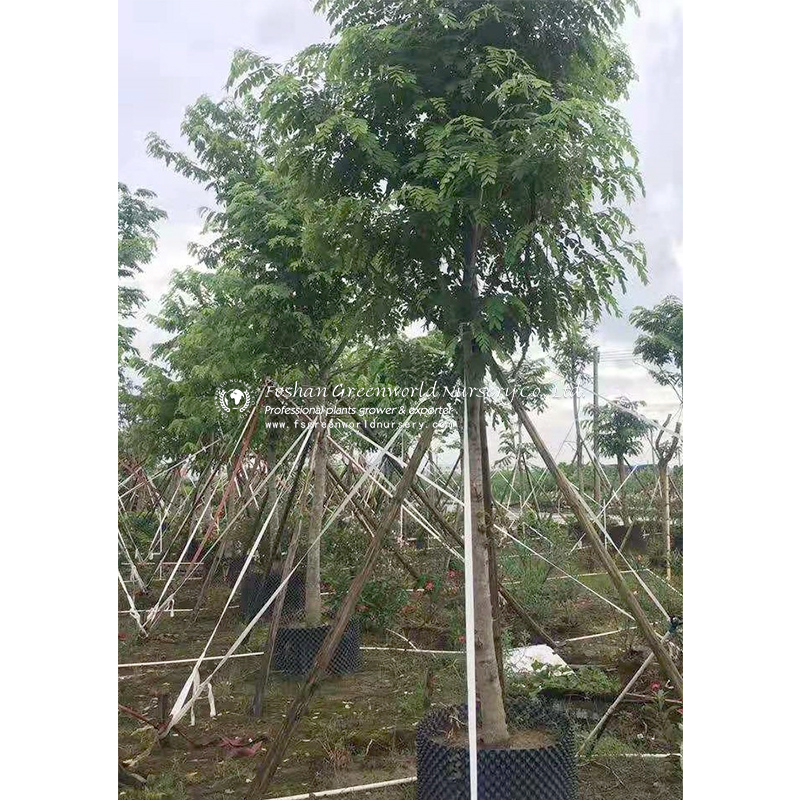
In the ever-evolving world of ornamental horticulture, few trees command as much admiration and attention as the vibrant and charismatic Flamboyant tree (Delonix regia). Known for its stunning crimson flowers and expansive canopy, this remarkable species continues to capture the hearts of landscape enthusiasts, urban planners, and environmentalists alike.
### The Flamboyant Tree: A Spectacle of Nature
Delonix regia, commonly known as the Flamboyant tree or Royal Poinciana, is renowned globally for its dazzling display of scarlet flowers that blanket the tree during blooming seasons. This deciduous tree, native to Madagascar, is celebrated for its aesthetic appeal as much as for the benefits it offers in urban settings.
Characterized by a broad, umbrella-like canopy, the tree provides ample shade in hot climates, making it an ideal species for parks, roadways, gardens, and school grounds. Its feathery foliage and flamboyant floral clusters create a visual spectacle, often signaling the arrival of summer in tropical and subtropical regions.
### Ecological and Environmental Contributions
Beyond aesthetics, the Flamboyant tree plays a pivotal role in supporting biodiversity. The nectar-rich flowers attract a diversity of pollinators, including birds, bees, and butterflies, thereby contributing to the local ecosystem's health. Additionally, the tree’s substantial leaf litter enriches the soil, promoting microbial activity and improving soil quality.
Urban landscapes benefit hugely from incorporating such trees. Their dense foliage assists in air purification, carbon sequestration, and temperature regulation by providing shade and reducing the urban heat island effect.
### A Diverse Palette of Ornamental Trees and Shrubs
While Delonix regia is a star attraction, it exists alongside a rich tapestry of other ornamental species that enhance urban and rural green spaces. An integrated approach to landscaping and environmental stewardship includes trees and plants such as:
- **Lagerstroemia indica**: Often called crepe myrtle, this tree blooms vibrant pink, white, or purple flowers and is prized for its long flowering period and smooth, exfoliating bark.
- **Hibiscus tiliaceus rubra and Pongamia pinnata**: These tropical trees not only offer striking flowers but are also known for their environmental resilience, including salt tolerance and nitrogen-fixing ability.
- **Albizia saman**: Also known as the rain tree, it creates a huge spreading canopy that offers extensive shade and is popular in parks.
- **Millingtonia hortensis**: Often called the Indian cork tree, it features trumpet-shaped white flowers and a pleasant fragrance.
- **Ficus nitida, Ficus religiosa, and Ficus racemosa**: These fig species are culturally significant and play essential ecological roles as keystone species in many forests.
- **Peltophorum**: The yellow flame tree is famous for its bright yellow flowers and is commonly used as a shade tree.
- **Ginkgo biloba**: An ancient species with distinctive fan-shaped leaves, notable for its medicinal properties and tolerance to urban pollution.
- **Magnolia grandiflora**: Known for its large, fragrant white blooms and glossy leaves, this evergreen is a symbol of Southern charm in the United States.
- **Photinia serrulata**: A shrub or small tree with red-tinted new leaves and white flowers, widely used for hedges.
- **Cinnamomum camphora**: The camphor tree produces aromatic compounds and is valued for its timber and shade.
- **Prunus yedoensis**: The iconic cherry blossom tree admired worldwide for its delicate pink blossoms.
- **Trachycarpus fortunei**: A hardy palm tree species frequently used in ornamental and tropical-themed landscaping.
- **Tecoma stans**: Known as yellow bells, this shrub or small tree produces bright yellow trumpet-shaped flowers.
- **Wodyetia bifurcata**: The foxtail palm, prized for its feathery fronds and tropical appeal.
- **Sea Grape plant**: A coastal native valued for its broad leaves and fruits, often used in beachfront landscaping.
- **Bonsai Sacred Fig Tree**: A miniature version of Ficus religiosa, used in the art of bonsai and revered for its spiritual significance.
### Integrating Ornamental Trees into Sustainable Urban Design
Urbanization presents significant challenges to maintaining green spaces. However, the thoughtful incorporation of diverse species like Delonix regia and companions from the above list can transform cityscapes into vibrant, sustainable ecosystems.
For instance, selecting a mixture of flowering trees like Lagerstroemia indica and Prunus yedoensis alongside shade providers such as Albizia saman and Ficus nitida can shape resilient urban forests that support diverse wildlife while enhancing the human experience. Furthermore, broadleaf evergreens including Magnolia grandiflora and Cinnamomum camphora offer year-round greenery and contribute to urban carbon capture.
### Horticultural Practices and Conservation Efforts
Growing these trees successfully requires an understanding of their ecological needs and propagation methods. Delonix regia thrives best in well-drained soils with ample sunlight and relatively dry conditions. Meanwhile, species like Pongamia pinnata are noted for their ability to improve soil fertility due to their nitrogen-fixing roots.
Conservation efforts must balance aesthetic desires and environmental protection. Many of these trees are native to specific regions and face habitat loss due to urban expansion and climate change. Promoting native species where possible and cultivating exotics responsibly can help maintain biodiversity.
### Conclusion
The Flamboyant tree (Delonix regia), with its fiery display and ecological benefits, remains a symbol of beauty and sustainability in landscape design. When combined with a thoughtfully curated selection of other ornamental species such as Lagerstroemia indica, Albizia saman, and Ginkgo biloba, the potential for urban greening is immense.
By embracing this diversity, we not only beautify our surroundings but also promote healthier ecosystems, improved air quality, and meaningful connections between people and nature. As cities continue to expand, it becomes vital to prioritize planting and preserving such iconic trees and plants, securing a greener, more vibrant future for generations to come.