
In recent years, there has been a growing interest worldwide in natural plants and herbs that offer exceptional health benefits. Among these, Malunggay, also known scientifically as Moringa oleifera, has captured attention due to its remarkable nutritional profile and therapeutic properties. Widely referred to as the “miracle tree,” Malunggay is fast becoming a staple in health-conscious diets, natural medicine cabinets, and wellness routines globally.
### The Nutritional Power of Malunggay
Malunggay leaves are rich in essential vitamins and minerals crucial for overall health. These tiny leaves pack a punch, containing vitamin A, vitamin C, calcium, potassium, and iron — nutrients vital for maintaining strong bones, boosting the immune system, and ensuring optimal bodily functions. The leaves are also an excellent source of protein, fiber, and antioxidants, substances that help combat oxidative stress and inflammation.
Many countries traditionally use Malunggay in their cuisine, incorporating the leaves into soups, stews, and even smoothies to harness its health benefits. Beyond nutrition, Malunggay has been utilized in traditional medicine to address a wide range of ailments, from anemia and malnutrition to skin conditions and digestive issues.
### Promoting Health Through Malunggay
Numerous studies underscore Malunggay’s potential as a natural remedy. Its antioxidant content helps reduce damage caused by free radicals, which are implicated in chronic diseases like heart disease and cancer. Furthermore, the anti-inflammatory properties of Malunggay can assist in combating joint pain and arthritis.
One of the most celebrated health properties of Malunggay is its ability to support lactating mothers by enhancing breast milk production. Additionally, Malunggay contains compounds that have been investigated for their blood sugar-lowering effects, making it a supportive food for managing diabetes.
Malunggay’s antimicrobial and antiviral properties further enrich its profile as a plant with extensive medicinal applications, encouraging research into potential uses in infection control.
### Environmental and Economic Perspectives
Malunggay is a versatile plant not only beneficial to health but also environmentally resilient. It grows well in tropical and subtropical climates, requiring minimal water and thriving in poor soils where other crops might fail. This hardy nature positions Malunggay as a vital crop for subsistence farmers and regions prone to drought, assisting in food security and sustainable agriculture.
As awareness of Malunggay’s benefits spreads, its cultivation and commercialization have created economic opportunities. Producers, farmers, and small-scale entrepreneurs find value in processing Malunggay into supplements, powders, teas, and skincare products, supporting local economies and promoting indigenous knowledge systems.
---
### Company Introduction: Championing Nature’s Diversity
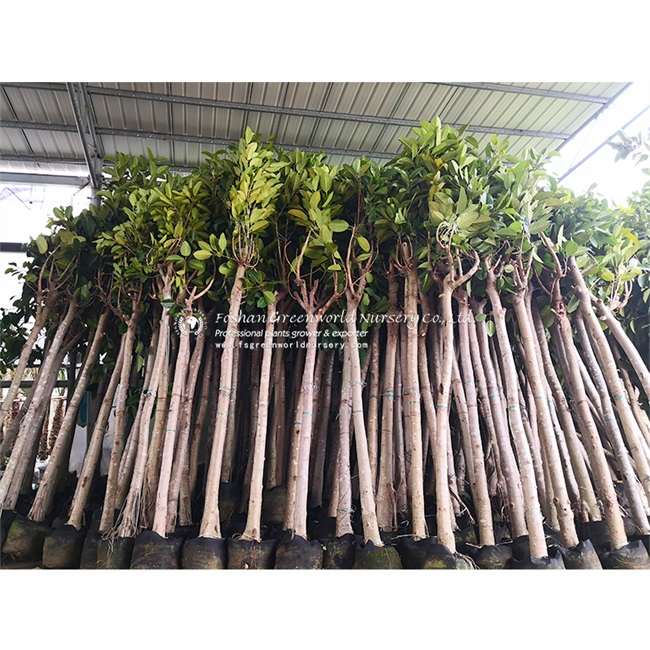
Complementing the widespread appreciation of Malunggay, a company specializing in a diverse range of botanicals and ornamental plants is leading the way in promoting environmental harmony and botanical science. Their portfolio includes a stunning collection of plants such as Lagerstroemia Indica—commonly known as crape myrtle—celebrated for its vibrant flowers and hardy nature, and the majestic Delonix Regia, or flame tree, prized for its flamboyant red blossoms.
This company's extensive catalog covers a variety of species that not only beautify landscapes but also contribute ecological and medicinal values. Among them are Hibiscus Tiliaceus varieties, Rubra and others, known for their fibrous bark and ornamental appeal, alongside Pongamia Pinnata, revered for its potential in biofuel production.
Albizia Saman, with its imposing umbrella-like canopy, provides shade and fosters habitat for wildlife, while Millingtonia Hortensis offers fragrant white flowers appreciated in traditional medicine. The list extends to robust trees like Ficus Nitida, which serve as urban greenscapes retaining ecological balance.
Moreover, species such as Peltophorum and Ginkgo Biloba embody both aesthetic grandeur and historical medicinal application — Ginkgo, for instance, supports cognitive function and circulatory health. Magnolia Grandiflora impresses with large, fragrant blossoms, adding sensory richness to curated landscapes.
In the domain of shrubs and smaller trees, the company cultivates Photinia Serrulata, recognized for its striking red foliage, and Cinnamomum Camphora, the camphor tree noted for its aromatic leaves and wood. Prunus Yedoensis, the iconic Japanese cherry blossom, brings seasonal beauty and cultural significance to landscapes.
Moreover, palms like Trachycarpus Fortunei offer graceful architectural lines, while Tecoma Stans brings bursts of yellow trumpet-shaped flowers. Other tropical natives such as Wodyetia Bifurcata, sea grape plants, and various Ficus species (including Ficus Religiosa — the sacred fig tree — and Ficus Racemosa) add ecological depth and cultural heritage.
### Connecting Health with Horticulture
The intersection of medicinal plants like Malunggay and this company’s broad botanical expertise reflects a holistic appreciation for plant life. Both health enthusiasts and horticulturists recognize that nurturing plant diversity benefits human health and the environment.
This company’s commitment to cultivating and distributing a rich diversity of plants enhances urban greenery, supports biodiversity, and encourages natural healing traditions. By integrating plants with nutritional and medicinal value alongside ornamental species, the company champions sustainable practices that harmonize human well-being with ecological stewardship.
---
### Conclusion: Embracing Nature’s Gifts for Better Health and Environment
Malunggay stands as a potent symbol of nature’s ability to nurture human health with minimal environmental cost. As people worldwide seek natural alternatives and sustainable solutions, plants like Malunggay shine as accessible, affordable sources of nutrition and wellness.
Meanwhile, companies and individuals committed to preserving and propagating diverse plant species help maintain ecological balance, cultural heritage, and economic vitality. Through the celebration of such botanicals—from the nutritive Malunggay to the ornamental and functional trees like Lagerstroemia Indica and Ginkgo Biloba—we pave the way for a greener, healthier future.
By embracing these natural gifts, we honor the enduring relationship between people and plants, encouraging a world where health flourishes amidst the beauty and resilience of the plant kingdom.