
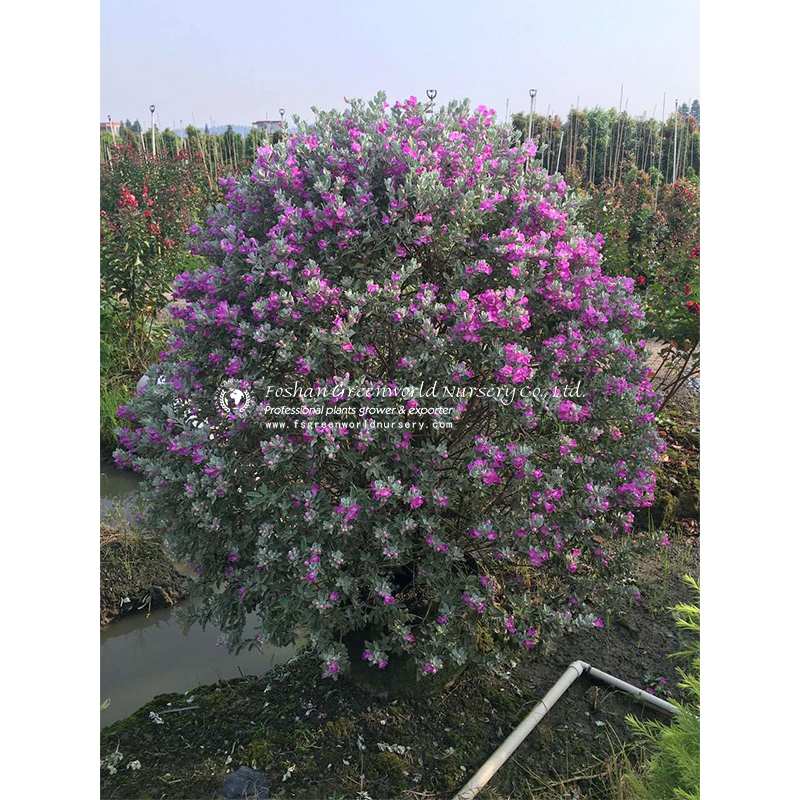
In an inspiring move toward sustainable urban development, a new greening initiative is gaining momentum with the introduction of a diverse array of plant species carefully selected for their ecological benefits, aesthetic appeal, and adaptability to urban environments. The project emphasizes the importance of native and exotic species that contribute to biodiversity, improve air quality, and provide shade and beauty to city landscapes.
Among the key species featured in the initiative is the striking _Hibiscus tiliaceus rubra_, a vibrant flowering tree known for its resilience and ornamental value. This species, along with many others, forms part of a thoughtfully curated list aimed at enhancing urban green spaces.
### Embracing Biodiversity in Urban Landscapes
Urban centers worldwide are recognizing the necessity of integrating green spaces within their infrastructure to mitigate the effects of pollution, urban heat islands, and loss of natural habitats. The current initiative introduces a collection of trees and shrubs that can thrive in a variety of city environments, from parks and avenues to residential neighborhoods and commercial zones.
The selection includes species such as:
- **Lagerstroemia indica** (commonly known as crape myrtle): Celebrated for its long-lasting summer flowers and adaptability, this species offers brilliant colors that enliven city spaces, attracting pollinators like bees and butterflies.
- **Delonix regia** (flame tree): Renowned for its fiery red blossoms, it provides ample shade and is a favorite in tropical and subtropical urban settings.
- **Pongamia pinnata** (Indian beech): This nitrogen-fixing tree is valued for improving soil quality, making it ideal for rehabilitating degraded urban soils.
- **Albizia saman** (rain tree): Known for its wide canopy and rapid growth, the rain tree provides excellent shade and supports diverse bird populations.
- **Millingtonia hortensis** (Indian cork tree): This species emits a pleasant fragrance and is often planted along streets for its fast-growth and shade.
- **Ficus nitida** and **Ficus religiosa** (the sacred fig tree): Both are culturally significant and play essential roles in urban biodiversity and microclimate regulation.
- **Peltophorum** and **Ginkgo biloba**: These trees contribute aesthetically and environmentally, with Ginkgo biloba also recognized for its medicinal properties.
- **Magnolia grandiflora**: Valued for its large, fragrant flowers and glossy leaves, this species adds year-round appeal.
- **Photinia serrulata** and **Cinnamomum camphora** (camphor tree): These offer dense foliage and are effective at filtering air pollutants.
- **Prunus yedoensis** (Yoshino cherry): Famous for its stunning spring blossoms, it supports urban tourism and cultural activities.
- **Trachycarpus fortunei** (windmill palm) and **Wodyetia bifurcata** (foxtail palm): These palms add exotic flair and are well-suited for warmer climates.
- **Tecoma stans**: Known for its bright yellow trumpet-shaped flowers, it attracts pollinators and brightens cityscapes.
- **Sea grape plant**: Often used as a coastal windbreak and for erosion control, it enhances the resilience of urban coastal environments.
- Species from the **Ficus** genus, including **Ficus racemosa**, are known for their ecological functions and benefits to urban fauna.
This rich variety of trees and shrubs is not only aesthetically pleasing but also plays crucial roles in urban ecology. Their functions range from carbon sequestration and air purification to providing habitats for urban wildlife.
### The Role of Hibiscus tiliaceus rubra in Urban Greening
Among these diverse species, _Hibiscus tiliaceus rubra_ stands out for its adaptability and ornamental qualities. Recognized for its attractive red-hued foliage and flowers, this tree is well-suited to withstand coastal and urban conditions, including salt spray and pollution. The tree is relatively fast-growing and can serve as a shade provider along streets and in parks.
Its robust nature makes it an excellent candidate for planting in new urban development projects where establishing quick-growing green cover is necessary. Moreover, the species supports pollinators and enhances the overall biodiversity within city environments. As cities aim to build resilience against climate change and environmental degradation, trees like _Hibiscus tiliaceus rubra_ become valuable assets.
### Integrating Urban Forestry and Community Engagement
The success of any urban greening project depends not only on the selection of appropriate species but also on community involvement and sustainable maintenance practices. This initiative encourages partnerships between city planners, environmental groups, local residents, and schools to foster a sense of stewardship over urban green spaces.
Educational programs are planned to accompany planting campaigns, aiming to raise awareness about the importance of urban trees and biodiversity conservation. These efforts help communities connect with nature, promote mental well-being, and instill lifelong environmental values.
### Looking Toward a Greener, Healthier Urban Future
As urbanization intensifies worldwide, incorporating diverse and resilient plant species into city planning is essential for creating livable and sustainable environments. The current initiative, with its comprehensive and carefully selected list of species such as _Hibiscus tiliaceus rubra_, exemplifies a forward-thinking approach to urban forestry.
By leveraging the ecological functions and aesthetic qualities of these plants, cities can combat pollution, reduce temperatures, boost urban biodiversity, and provide residents with healthier, more beautiful surroundings. This project serves as a beacon of hope and a model that other urban areas may follow in their pursuit of greener futures.
In sum, adopting an inclusive array of plant species tailored to local climates and conditions represents a significant step toward urban sustainability. The integration of species ranging from flowering trees like _Lagerstroemia indica_ and _Delonix regia_ to culturally significant trees such as _Ficus religiosa_, combined with the resilience and ornamental value of _Hibiscus tiliaceus rubra_, promises richer, more diverse cityscapes. As these plants take root, they herald a new chapter of ecological harmony between urban life and nature.