
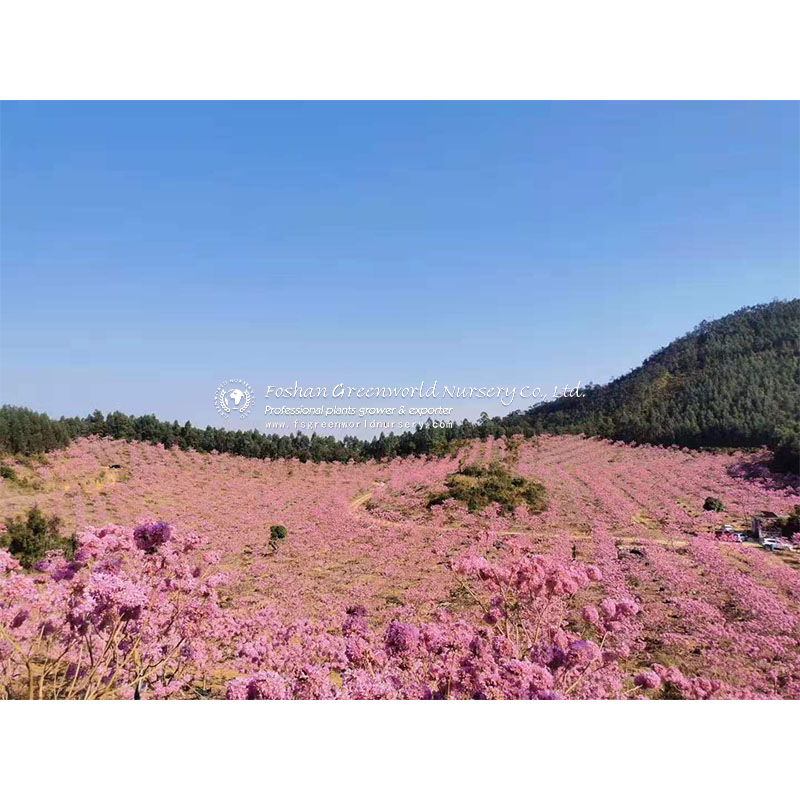
In the evolving landscape of urban greening and environmental sustainability, the selection of suitable tree species for landscaping and reforestation plays a vital role. Among these, *Hibiscus tiliaceus*, commonly known as the Sea Hibiscus, stands out due to its adaptability, aesthetic appeal, and ecological benefits. Alongside a diverse array of notable species such as *Lagerstroemia indica*, *Delonix regia*, and *Pongamia pinnata*, *Hibiscus tiliaceus* continues to contribute significantly to both urban and rural environments. This news report delves into the significance of *Hibiscus tiliaceus*, contextualized within a broader introduction of various popular tree species widely cultivated for their ornamental, ecological, and cultural values.
### Understanding *Hibiscus Tiliaceus*
*Hibiscus tiliaceus* is a fast-growing deciduous tree or shrub found predominantly in coastal and tropical regions. Known for its large, heart-shaped leaves and bright yellow flowers that fade to orange, this species offers both visual charm and practical utility. Often used in landscaping gardens, coastal parks, and roadside planting, *Hibiscus tiliaceus* thrives in sandy soils and saline environments where many other trees struggle to survive.
This species’ adaptability to challenging environmental conditions makes it an excellent candidate for combating soil erosion in coastal areas. Its extensive root network helps bind the soil, preventing degradation caused by wind and water. Moreover, the plant is an important habitat provider for various fauna, supporting biodiversity in urban and rural ecosystems alike.
### Broadening the Green Palette with Diverse Tree Species
Incorporating diverse tree species into landscaping projects enhances ecological stability, aesthetic diversity, and cultural significance. The following species, often used in urban greening and reforestation efforts, complement *Hibiscus tiliaceus* by offering unique benefits:
- **Lagerstroemia indica (Crape Myrtle):** Known for its vibrant, long-lasting flowers that bloom during summer, *Lagerstroemia indica* is a popular ornamental tree in parks and streetscapes. Its spectacular floral display and moderate size make it a favorite for beautification while providing shade and habitat.
- **Delonix regia (Flame Tree):** This flamboyant tree is celebrated for its brilliant red flowers that cover the canopy during the flowering season. Not only does *Delonix regia* brighten urban landscapes, but its wide-spreading branches also provide ample shade, improving outdoor comfort.
- **Pongamia pinnata (Indian Beech):** Valued for its nitrogen-fixing capabilities, *Pongamia pinnata* supports soil fertility and is a sustainable choice for agroforestry and reforestation. Its oil-rich seeds also have industrial applications, including biofuel production.
- **Albizia saman (Rain Tree):** Recognized by its umbrella-shaped canopy, *Albizia saman* is prized for providing extensive shade and enriching soil through nitrogen fixation. It is commonly planted in parks, large gardens, and along roads.
- **Millingtonia hortensis (Indian Cork Tree):** With fragrant white flowers and rapid growth, this tree adds both beauty and sensory delight to landscapes while serving as a natural privacy screen.
- **Ficus nitida (Indian Laurel Fig):** A robust shade tree known for its dense foliage and large canopy, *Ficus nitida* is widely used in landscaping and bonsai artistry.
- **Peltophorum:** Often referred to as Yellow Flame trees, species within this genus produce striking golden-yellow flowers, contributing vibrant color and attracting pollinators.
- **Ginkgo biloba:** Known as a living fossil, *Ginkgo biloba* has fanshaped leaves and remarkable resilience to pollution, making it well-suited to urban environments.
- **Magnolia grandiflora:** This evergreen species is admired for its large, fragrant white flowers and glossy leaves, offering year-round ornamental appeal.
- **Others such as Photinia serrulata, Cinnamomum camphora (Camphor tree), Prunus yedoensis (Yoshino cherry), Trachycarpus fortunei (Windmill palm), Tecoma stans (Yellow Bells), Wodyetia bifurcata (Foxtail Palm), Sea Grape (*Coccoloba uvifera*), Ficus religiosa (Sacred Fig), and Ficus racemosa:** These trees range in application from ornamental to cultural significance, each contributing distinct features in size, foliage, flowers, or fruiting that enhance biodiversity and social value.
### Ecological and Cultural Benefits
The integration of species like *Hibiscus tiliaceus* and its counterparts in landscaping not only beautifies environments but supports ecological resilience. Native and adaptable trees assist in carbon sequestration, improve air quality, reduce urban heat island effects, and provide habitats for native wildlife such as birds, insects, and small mammals.
Culturally, many of these trees hold significant meaning. For instance, *Ficus religiosa*, the Sacred Fig, is deeply revered in several Asian cultures and often associated with spiritual sites. Similarly, flowering trees such as *Prunus yedoensis* are celebrated in festivals worldwide.
### Conclusion: A Sustainable Future Rooted in Diverse Tree Species
As urbanization and climate change pose increasing challenges, the thoughtful selection and cultivation of trees like *Hibiscus tiliaceus*, combined with a variety of other resilient and beautiful species, underscore a proactive approach towards greener, healthier environments. By harnessing the unique qualities of these species, communities can foster biodiversity, enhance aesthetic and cultural richness, and promote sustainable urban and rural ecosystems.
This diverse palette of trees presents a promising pathway toward achieving balanced ecosystems in rapidly developing areas. Continued awareness, research, and cultivation efforts on species such as *Hibiscus tiliaceus* demonstrate the inspiring connection between nature’s diversity and human well-being.