
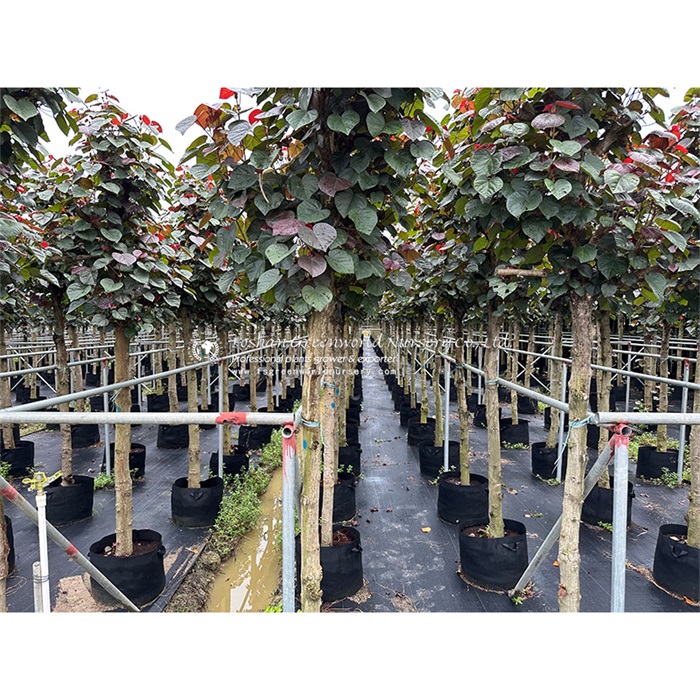
As urbanization accelerates worldwide, the integration of greenery into city landscapes has become a critical focus for sustainable development and environmental well-being. Increasingly, companies specializing in plant cultivation are expanding their offerings beyond traditional tree species to provide diverse and adaptive varieties suitable for various urban settings. Among these, bonsai trees, alongside a wide range of culturally and ecologically significant species, are gaining prominence for their aesthetic, environmental, and practical benefits.
One of the fascinating developments in urban horticulture involves the use of bonsai trees, particularly the versatile Ligustrum variety. Known for its elegance, resilience, and manageable size, Ligustrum bonsai offers a unique opportunity to incorporate greenery in constrained spaces such as offices, balconies, gardens, and public installations. Its compact structure and dense foliage allow for exquisite decorative arrangements without sacrificing greenery. This is especially valuable for urban dwellers who desire the calming presence of plants but have limited space.
Complementing the bonsai offerings, an extensive portfolio of tree species is available that caters to diverse climatic conditions and landscaping needs. This portfolio includes:
- **Lagerstroemia Indica (Crape Myrtle)**: Celebrated for its vibrant summer flowers and attractive bark, this species is ideal for beautifying parks and streetscapes.
- **Vase-shaped Delonix Regia (Flamboyant Tree)**: Known for its striking red flowers and broad canopy, Delonix Regia provides ample shade and visual interest.
- **Hibiscus Tiliaceus (Sea Hibiscus) and Hibiscus Tiliaceus Rubra**: Both varieties are exceptional for coastal areas and tolerate saline environments well.
- **Pongamia Pinnata (Indian Beech)**: A nitrogen-fixing tree that enhances soil fertility while offering shade and flowers.
- **Albizia Saman (Rain Tree)**: Valued for its umbrella-shaped canopy, it is perfect for large parks and urban greenspaces.
- **Millingtonia Hortensis (Indian Cork Tree)**: Its fragrant flowers and ornamental foliage make it an excellent street tree.
- **Ficus Nitida (Indian Laurel Fig)**: Known for dense foliage and adaptability, this fig species is often used for shade and visual screening.
- **Peltophorum**: Exhibiting bright yellow flowers, useful for urban beautification.
- **Ginkgo Biloba**: A living fossil famous for its unique fan-shaped leaves and excellent tolerance to pollution.
- **Magnolia Grandiflora**: Evergreen magnolias known for their large, fragrant flowers, suitable for upscale landscaping.
- **Photinia Serrulata**: An ornamental shrub or small tree with striking red foliage.
- **Cinnamomum Camphora (Camphor Tree)**: Known for its aromatic leaves and robust growth.
- **Prunus Yedoensis (Yoshino Cherry)**: Famous for its spectacular spring blossoms, ideal for seasonal visual appeal.
- **Trachycarpus Fortunei (Windmill Palm)**: A hardy palm that adds a tropical feel to urban settings.
- **Tecoma Stans**: Recognized for trumpet-shaped yellow flowers and suitability for warm climates.
- **Wodyetia Bifurcata (Foxtail Palm)**: Popular for its ornamental fronds and resilience.
- **Sea Grape Plant**: Often used in coastal landscaping for its thick leaves and salt tolerance.
- **Ficus Religiosa (Sacred Fig Tree)**: A culturally significant species revered in various traditions.
- **Ficus Racemosa**: Known for its edible figs and robust growth in tropical regions.
This diverse range of species demonstrates a commitment to catering not only to aesthetic preferences but also to ecological and environmental requirements. By integrating these species into urban environments, companies are contributing to air quality improvement, urban heat island mitigation, biodiversity enhancement, and overall enhancement of residents' quality of life.
Urban planners and landscape architects are increasingly collaborating with horticultural firms to customize greenery solutions using this rich palette of species. From creating shaded walkways and ornamental gardens to establishing green barriers and urban forests, each tree species has a specific role that benefits the urban ecosystem. For instance, Ginkgo Biloba’s pollution tolerance makes it perfect for planting along busy streets, while Albizia Saman’s broad canopy is ideal for playgrounds and recreational areas.
The addition of bonsai trees to this spectrum offers an innovative avenue for bringing nature closer to daily life, even in the smallest urban niches. Beyond their beauty, bonsai trees encourage mindfulness, patience, and connection to nature, qualities much needed in today’s fast-paced urban lifestyles.
Moreover, sustainable practices in cultivating these trees ensure their health and longevity. Sophisticated nursery techniques promote disease resistance and adaptability, ensuring the plants flourish once transplanted into the city environment. Greening projects undertaken with these species often emphasize maintaining native flora and supporting local wildlife habitats.
The cultivation and distribution systems are designed to provide quality assurance and expert guidance. This way, customers ranging from municipal authorities and developers to individual homeowners receive tailored recommendations matching their site conditions and landscape goals.
Ultimately, the integration of bonsai trees like Ligustrum with a broad spectrum of other species represents a forward-thinking approach to urban forestry and landscaping. It respects both ecological dynamics and human needs, enriching cities with green spaces that inspire, refresh, and sustain communities.
As cities continue to grow and face environmental challenges, such comprehensive greenery solutions are not just desirable but essential. They signify a harmonious blending of horticulture, urban design, and environmental stewardship—paving the way for greener, healthier, and more beautiful urban futures.