
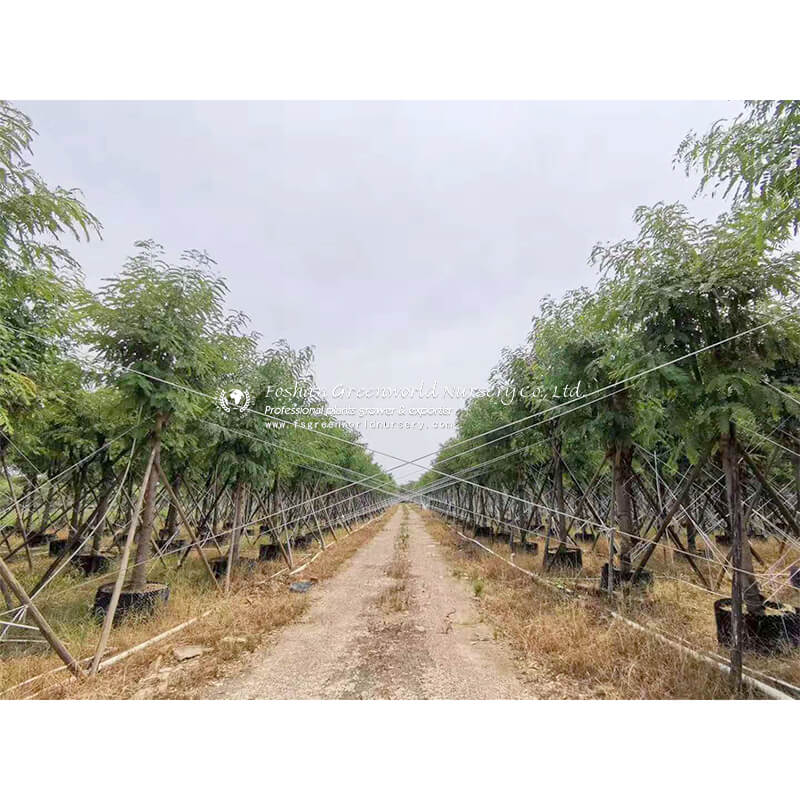
In recent urban environmental developments, the removal of the Karanj tree from certain city areas has marked a significant step in the ongoing efforts to enhance urban greenery and biodiversity. While the Karanj tree has historically been valued for its resilience and traditional importance, challenges such as invasive root systems and maintenance concerns have prompted city planners and environmentalists to rethink urban tree management strategies. This process is being supplemented by a thoughtful replanting program that emphasizes a diverse array of species, aiming to create sustainable, healthy, and aesthetically pleasing urban landscapes.
The replanting initiative features a wide range of tree species carefully chosen for their ecological benefits, adaptability to urban environments, and contribution to biodiversity. These include Lagerstroemia indica (commonly known as crape myrtle), Delonix regia (flamboyant tree), Hibiscus tiliaceus rubra, Pongamia pinnata, Albizia saman, Millingtonia hortensis, and many others. This diversified palette of trees reflects a modern approach to urban forestry that balances environmental functionality with cultural and aesthetic values.
**Replacing the Karanj Tree: A Strategic Move**
The decision to remove the Karanj tree in selected urban zones stems from multiple factors. Despite its hardiness and ability to thrive in poor soil conditions, the tree’s aggressive roots can undermine pavement, water pipelines, and building foundations, creating costly maintenance issues. Additionally, the dense canopy of the Karanj tree has been known to inhibit the growth of understory plants, reducing biodiversity. With these considerations, local governments and environmental planners have resolved to phase out this species in favor of trees that align better with the contemporary urban ecosystem’s needs.
Replacing a mature tree such as the Karanj requires careful planning to ensure the newly introduced species can establish well and provide equal or enhanced ecological services. This is where the comprehensive suite of alternative species becomes crucial.
**A Rich Suite of Urban Tree Species**
The selected species for urban replanting are not random but are picked based on multiple criteria such as drought tolerance, shade provision, support for urban wildlife, and low maintenance needs:
- **Lagerstroemia indica**: Known for its vibrant flowers that bloom in summer, this tree adds color and visual appeal to city streets and parks. Besides aesthetics, it requires relatively low water once established.
- **Delonix regia**: The flamboyant tree is famous for its fiery red blossoms. It produces a broad canopy that provides ample shade, making it ideal for urban heat mitigation.
- **Hibiscus tiliaceus rubra**: This species offers beautiful foliage and flowers that enhance urban biodiversity by attracting pollinators such as bees and butterflies.
- **Pongamia pinnata**: A nitrogen-fixing tree, Pongamia contributes to improving soil fertility in urban landscapes, supporting the growth of other vegetation.
- **Albizia saman**: Also known as the rain tree, it has a massive umbrella-like canopy that offers significant shade and helps in cooling ambient temperatures.
- **Millingtonia hortensis**: With its fragrant flowers and distinctive shape, this tree contributes both sensory appeal and diversity in urban flora.
Additional species such as **Ficus nitida**, **Peltophorum**, **Ginkgo biloba**, **Magnolia grandiflora**, **Photinia serrulata**, **Cinnamomum camphora**, **Prunus yedoensis**, **Trachycarpus fortunei**, **Tecoma stans**, **Wodyetia bifurcata**, **Sea Grape Plant**, **Ficus religiosa** (commonly known as the sacred fig tree or bonsai), and **Ficus racemosa** round out the selection with a variety of shapes, sizes, flowering patterns, and ecological functions, making sure the urban landscape will be vibrant and sustainable for years to come.
**Benefits to Urban Ecosystems**
This strategic shift in urban tree management brings numerous benefits. Firstly, increased biodiversity through species diversity reduces the risk of pest and disease outbreaks that can devastate monocultures. Diverse urban flora also supports a wider array of fauna, including birds, insects, and small mammals, thereby recreating vital green corridors within cityscapes.
Secondly, the introduction of trees such as Pongamia pinnata, which enhances soil health, or the shade-giving Albizia saman and Delonix regia, can help mitigate urban heat islands—a common problem in densely built cities. Additionally, species like Ginkgo biloba and Magnolia grandiflora sequester significant amounts of carbon, contributing to climate change mitigation efforts.
Lastly, the aesthetic diversity these species provide contributes to residents’ psychological well-being. Multiple studies show that green spaces with a variety of trees and plants enhance mental health, encourage outdoor activity, and foster community interaction.
**Community Engagement and Future Outlook**
The success of this initiative hinges on community involvement and education. Authorities are engaging local residents through workshops and information campaigns to familiarize them with the benefits of the new tree species and the reasons behind removing the Karanj tree where applicable. Urban forestry experts emphasize the importance of planting native and well-adapted species for sustainability.
As this replanting program progresses, it is expected that the urban environment will not only become greener but also healthier and more resilient. Long-term monitoring and maintenance plans are being developed to ensure that these new trees thrive and continue to provide ecological, social, and economic benefits.
**Conclusion**
The removal of the Karanj tree in select urban areas marks a turning point in city landscaping philosophies. By substituting it with a broad spectrum of carefully chosen tree species, urban planners are pioneering an approach that prioritizes ecosystem health, biodiversity, and community well-being. This effort demonstrates foresight in urban environmental management and establishes a model for other cities facing similar challenges. With sustained commitment, these greener, more diverse urban landscapes will enhance the quality of life for all residents, balancing modern needs with nature’s enduring benefits.