
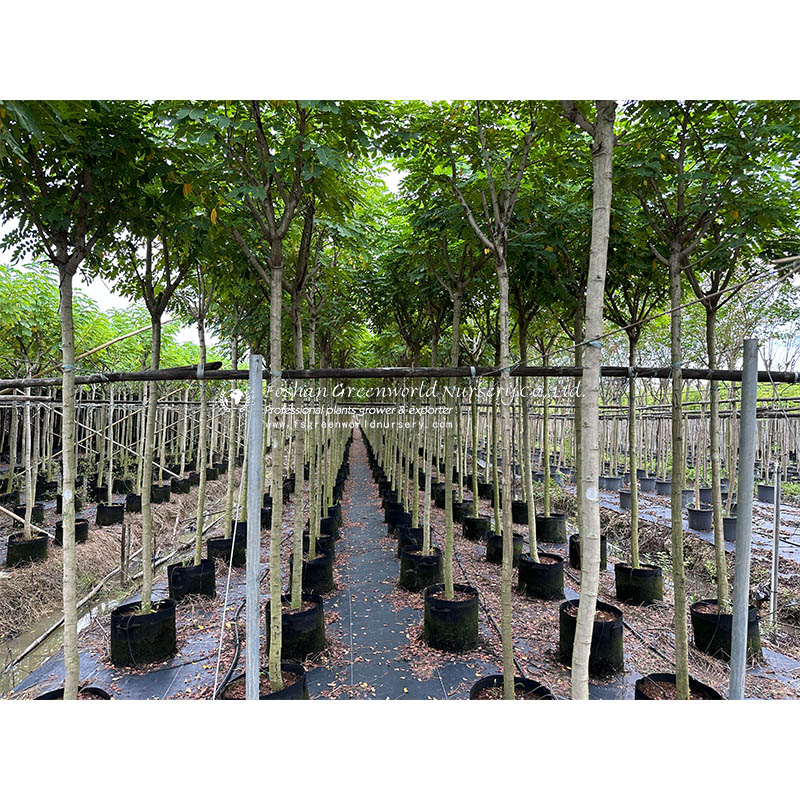
In recent years, urban areas worldwide have witnessed a growing emphasis on integrating greenery into city infrastructure to improve environmental quality, enhance biodiversity, and promote residents' well-being. A variety of plants and trees are playing crucial roles in this ecological transition, with species such as Cycas and a rich assortment of tropical and subtropical trees becoming increasingly popular in city beautification and reforestation projects.
Among the notable plants garnering attention is the Cycas genus, commonly referred to as “Sago Palm” for its palm-like appearance. Despite its name, it is not a true palm but a cycad—a group of ancient seed plants that have existed since the age of dinosaurs. Cycas species are valued for their unique aesthetic appeal, hardy nature, and adaptability to a range of climates, making them ideal candidates for urban landscaping. Their distinctive feathery leaves and stout trunks give cityscapes a classical yet tropical ambiance, complementing a broad spectrum of other trees.
Alongside Cycas, a diverse roster of tree species is being cultivated and introduced to enhance the ecological fabric of urban spaces. This includes tropical flowering trees, shade providers, and ornamental plants that contribute to urban biodiversity, carbon sequestration, and heat island mitigation.
**Lagerstroemia Indica and Its Versatile Forms**
Lagerstroemia Indica, commonly known as Crepe Myrtle, is prized for its vibrant, long-lasting flowers that bloom well into summer. Available in multiple forms including the popular vase-shaped variety, it offers a versatile option for streetscapes, parks, and residential gardens. Its robust adaptability to urban pollution and drought-prone environments further underlines its value.
**Majestic Trees Adding Shade and Charm**
Delonix Regia, often called Royal Poinciana or Flame Tree, with its fiery orange-red blossoms and expansive canopy, is a favorite for shade and ornamental planting in tropical and subtropical cities. Equally admired are species like Albizia Saman (Rain Tree) and Millingtonia Hortensis (Indian Cork Tree), which offer generous shade and distinctive floral displays, supporting urban wildlife and enhancing aesthetic appeal.
**Flowering Trees with Cultural and Ecological Value**
Hibiscus Tiliaceus, including its Rubra (red-flowered) variant, is widely planted for its beautiful flowers and adaptability to coastal environments. This species contributes to stabilizing soils in shoreline areas while providing nectar to pollinators. Similar contributions come from Tecoma Stans, which displays bright yellow trumpet-shaped flowers, attracting bees and butterflies, and aiding local biodiversity.
**Ecological Benefits of Nitrogen-Fixers and Timber Trees**
Pongamia Pinnata, an oil-yielding leguminous tree, is valued not only as a source of biofuel but also for its nitrogen-fixing ability that improves soil fertility. Various leguminous and broadleaf species like Albizia Saman and Peltophorum add to this ecosystem service while providing sturdy timber and ecological niches for birds and insects.
**Iconic and Heritage Trees in Urban Planting**
Among the venerable tree species favored in city greening efforts are Ginkgo Biloba, known for its unique fan-shaped leaves and resistance to pests and pollution; Magnolia Grandiflora, with its large fragrant blossoms and evergreen foliage; and Ficus Nitida, a species beloved for its dense canopy and adaptability as bonsai or shade tree.
**Diverse Ficus Species for Sacred and Aesthetic Spaces**
The genus Ficus is well represented in urban forestry thanks to species like Ficus Religiosa (Sacred Fig Tree) and Ficus Racemosa. Revered in cultural contexts and valued ecologically, these figs support a wide range of fauna, from birds to insects, making them keystone species in urban habitats.
**Additional Ornamental and Functional Trees**
Other notable additions to urban green spaces include Photinia Serrulata, which offers colorful foliage and seasonal flowers; Cinnamomum Camphora (Camphor Tree), prized for its aromatic qualities and shade provision; Prunus Yedoensis (Yoshino Cherry), celebrated for its spectacular spring cherry blossoms; and Trachycarpus Fortunei (Windmill Palm), an ornamental palm giving a tropical flair with its fan-shaped leaves.
Wodyetia Bifurcata (Foxtail Palm) and Sea Grape Plant further diversify urban hedgerows and garden borders, providing texture and seasonal fruits for urban wildlife.
**Promoting Urban Sustainability Through Tree Planting**
The integration of these species in urban planning does more than beautify; it actively contributes to climate resilience, biodiversity preservation, air quality improvement, and temperature regulation. Trees such as Magnolia Grandiflora and Ginkgo Biloba excel in carbon sequestration, while nitrogen-fixers like Pongamia Pinnata support soil improvement and reduce the need for chemical fertilizers.
Moreover, flowering species such as Hibiscus Tiliaceus and Tecoma Stans support pollinator populations essential for ecosystem health. Shade trees including Delonix Regia and Albizia Saman reduce the urban heat island effect, cutting cooling costs and improving outdoor comfort.
**The Path Ahead**
As cities continue to expand, balancing development with nature is essential. The thoughtful selection and planting of species like Cycas and diverse trees from the aforementioned roster can transform urban environments into healthier, more sustainable habitats. By fostering biodiversity and enhancing ecosystem services, urban greening efforts help create vibrant, resilient communities where people and nature thrive together.
Municipal governments, urban planners, environmentalists, and citizens alike are encouraged to collaborate in promoting these species, ensuring a greener, cleaner, and more beautiful urban future. With continued commitment, the synergy between ancient plants like Cycas and diverse modern tree species promises to enrich cityscapes not only visually but also ecologically for generations to come.