
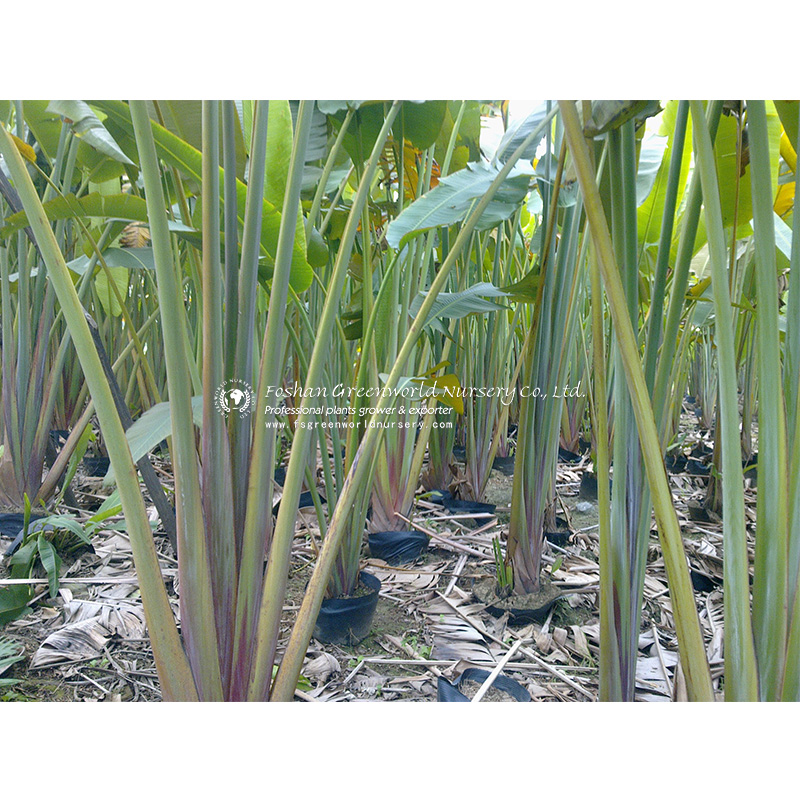
As urban areas continue to expand rapidly worldwide, the need for sustainable greening solutions has never been more critical. In response to this growing demand, recent initiatives have highlighted the planting and cultivation of diverse tree species aimed at enhancing urban landscapes, improving air quality, and fostering ecological balance. Among the key contributors to this movement is a company specializing in the growth and distribution of a wide variety of trees known for their adaptability and ornamental value.
The company offers an extensive range of tree species including Lagerstroemia Indica, Delonix Regia, Hibiscus Tiliaceus (both the standard and the red varieties), Pongamia Pinnata, Albizia Saman, Millingtonia Hortensis, Ficus Nitida, Peltophorum, Ginkgo Biloba, Magnolia Grandiflora, Photinia Serrulata, Cinnamomum Camphora, Prunus Yedoensis, Trachycarpus Fortunei, Tecoma Stans, Wodyetia Bifurcata, Sea Grape Plant, Ficus Religiosa (Sacred Fig Tree), and Ficus Racemosa, targeting both urban planning projects and private landscaping needs.
**A Spectrum of Benefits from Diverse Tree Species**
Each species introduced carries distinct benefits that collectively contribute to a healthier and more aesthetic urban environment. For example, **Lagerstroemia Indica**, commonly known as crape myrtle, is celebrated for its vibrant, long-lasting blooms that enliven streetscapes and parks. Its ability to thrive in varying soil types and resistance to drought makes it an ideal candidate for urban conditions.
Similarly, **Delonix Regia**, or the flame tree, is known for its fiery red flowers and broad canopy that provides ample shade, mitigating urban heat islands which are a growing problem in dense city centers. Its fast growth also allows for quicker establishment and impact in green projects.
**Hibiscus Tiliaceus** varieties, including the red blooms, serve both ecological and ornamental purposes; they are salt-tolerant and often used in coastal urban greening, providing resilience against challenging environments and supporting biodiversity by attracting pollinators.
Additionally, **Pongamia Pinnata**, a nitrogen-fixing tree, enriches soil fertility while offering shade and habitat for urban wildlife. It is valued in reforestation and reclamation projects due to its ability to survive in degraded lands.
**Albizia Saman**, often called the rain tree, features a wide-spreading canopy and delicate foliage, creating lush green corridors essential in urban planning for noise reduction and air purification.
**Millingtonia Hortensis**, known as the Indian cork tree, produces fragrant white flowers that beautify city avenues, while **Ficus Nitida** and **Ficus Religiosa (Sacred Fig Tree)** hold cultural significance alongside strong ecological benefits such as carbon sequestration and providing refuge for birds and insects.
**Integrating Tradition with Modern Urban Needs**
In many Asian cities, trees like the **Sacred Fig (Ficus Religiosa)** and **Ficus Racemosa** have symbolic importance, frequently associated with religious and cultural practices. Integrating such species into cityscapes not only caters to environmental benefits but also preserves cultural heritage, fostering community connection to nature.
Furthermore, species like **Magnolia Grandiflora** offer year-round greenery and large, fragrant flowers, adding multi-sensory appeal to parks and botanical gardens. Meanwhile, **Ginkgo Biloba** is revered for its resilience to pollution and unique fan-shaped leaves that turn a brilliant yellow in autumn, enhancing urban biodiversity visually and ecologically.
**Broad Application in Urban Development**
This wealth of species supports various urban greening objectives. For instance, **Photinia Serrulata** and **Cinnamomum Camphora** are often used for hedging and street planting due to their dense foliage and robustness. **Prunus Yedoensis**, or the Yoshino cherry, is famous for its spectacular spring blossoms that attract tourists and locals alike, fostering socioeconomic benefits through increased urban tourism.
**Trachycarpus Fortunei (Windmill Palm)** and **Wodyetia Bifurcata (Foxtail Palm)** bring a tropical aesthetic to cityscapes, suitable for coastal or warm-climate urban environments, while **Tecoma Stans** features bright yellow blooms adding seasonal color diversity.
The **Sea Grape Plant** is gaining popularity for its versatility and salt tolerance, making it ideal for seaside urban areas to stabilize soils and provide green buffers against sea spray.
**Sustainable Green Initiatives and Future Directions**
These tree species, cultivated and distributed by specialist companies, are crucial in national and regional urban greening policies focused on combating air pollution, reducing urban temperatures, and promoting mental well-being through increased access to green spaces.
The diversity of trees supports ecological niches that nurture urban wildlife such as birds, insects, and small mammals, thus creating urban biodiversity hotspots. Moreover, many of these species require less water and maintenance compared to traditional urban trees, which aligns with sustainable water management practices increasingly adopted by cities facing water scarcity.
**Community Engagement and Educational Outreach**
Beyond planting, there is an emphasis on community involvement and educational outreach. The company collaborates with local governments, environmental NGOs, and schools to raise awareness about the importance of urban trees, proper care techniques, and the broader benefits of green infrastructure.
Through workshops and demonstration projects, citizens are encouraged to participate in planting and caring for these diverse trees, fostering stewardship and a stronger connection between urban dwellers and their natural surroundings.
**Conclusion**
The strategic planting of a diverse range of tree species such as Lagerstroemia Indica, Delonix Regia, Hibiscus variants, Albizia Saman, several Ficus species, and others represents a vital step in transforming urban spaces into healthier, more resilient environments. These initiatives underscore the vital role that thoughtfully selected and well-maintained urban greenery plays in addressing environmental challenges, enhancing urban aesthetics, and improving quality of life for city residents.
As cities worldwide embrace these green transformations, the integration of such botanical diversity will stand as a testament to the harmonious blend of ecological sustainability, cultural preservation, and urban development, ultimately fostering cities that both people and nature can thrive in.
---
**About the Company**
With expertise in nursery development and urban forestry, the company specializes in cultivating a vast range of tree species suited for different climatic and urban conditions. Their offerings enable planners and landscapers to select optimal species for projects ranging from boulevard plantings to large-scale urban parks and coastal greening schemes. Their commitment to quality, sustainability, and biodiversity supports ongoing efforts to create greener, more livable cities for future generations.