
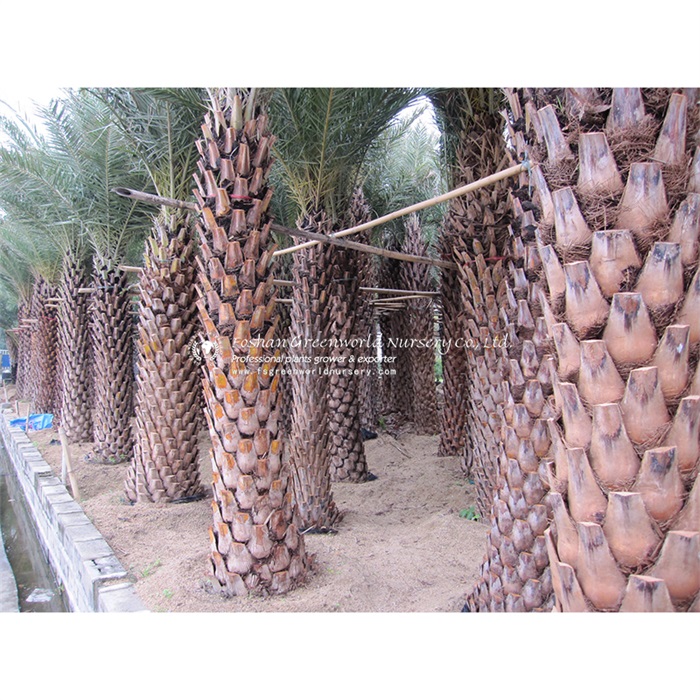
In the world of horticulture and landscape design, the use of diverse and beautiful ornamental plants has become a cornerstone of creating visually appealing and ecologically balanced environments. From urban parks and residential gardens to commercial landscapes and public spaces, these plants not only enhance aesthetic value but also contribute to environmental sustainability. Among the many species cultivated worldwide, a selection of notable trees and shrubs stand out for their unique characteristics, adaptability, and ecological benefits. This article explores a range of popular ornamental plants that have captured the interest of gardeners, landscapers, and environmentalists alike.
### A Diverse Collection of Ornamental Trees and Shrubs
The growing interest in ornamental plants has led to a wider appreciation of various species that differ in texture, color, and cultural significance. Some noteworthy examples include the following:
- **Lagerstroemia Indica**: Commonly known as crape myrtle, this deciduous shrub or small tree is cherished for its long-lasting flowers, which bloom in vibrant shades of pink, red, white, and purple during the summer. Its attractive, peeling bark and multi-season interest make it a versatile choice for urban and garden settings.
- **Delonix Regia (Flamboyant Tree)**: Renowned for its flamboyant, fiery-red flowers and expansive canopy, Delonix Regia provides striking shade and beauty in tropical and subtropical climates. This fast-growing tree is often used as a focal point in public parks and large gardens.
- **Hibiscus Tiliaceus**: This coastal species presents large, heart-shaped leaves and yellow flowers with a deep red center. Its salt tolerance makes it ideal for seaside landscaping, where it helps stabilize dunes and protect shorelines.
- **Pongamia Pinnata**: Also known as the Indian beech tree, this hardy species boasts fragrant flowers and nitrogen-fixing roots, which enrich the soil while providing shade and ornamental appeal.
- **Albizia Saman (Rain Tree)**: Famous for its umbrella-like canopy and delicate, fern-like foliage, Albizia Saman is valued both for the aesthetic shade it imparts and for its role in agroforestry systems.
- **Millingtonia Hortensis (Indian Cork Tree)**: This tree is admired for its trumpet-shaped white flowers that release a pleasant fragrance at night, attracting pollinators and enhancing the sensory experience of gardens.
- **Ficus Nitida**: A broad-leafed fig tree, Ficus Nitida is often used in bonsai and as a shade tree due to its dense foliage and tolerance to pruning.
- **Peltophorum**: Known for its bright yellow flower clusters, Peltophorum offers striking seasonal color and is well suited to tropical and subtropical landscapes.
- **Ginkgo Biloba**: A living fossil, Ginkgo Biloba is widely planted for its unique fan-shaped leaves that turn golden in autumn. Its resilience to urban pollution and pests makes it a popular street tree.
- **Magnolia Grandiflora**: This southern gem is prized for its large, fragrant white flowers and glossy evergreen leaves, adding elegance to any garden or park.
- **Photinia Serrulata**: With its vibrant red young leaves and dense foliage, it provides excellent screening and ornamental value.
- **Cinnamomum Camphora (Camphor Tree)**: A robust evergreen, this tree is valued for its aromatic leaves and timber.
- **Prunus Yedoensis (Yoshino Cherry)**: Famous for its stunning springtime blossoms, the Yoshino Cherry is a symbol of beauty and renewal in many cultures, especially in Japan.
- **Trachycarpus Fortunei (Windmill Palm)**: This cold-hardy palm introduces a tropical touch even in temperate climates.
- **Tecoma Stans (Yellow Bells)**: With bright yellow trumpet-shaped flowers, it is a favorite for vibrant landscaping.
- **Wodyetia Bifurcata (Foxtail Palm)**: Valued for its feathery fronds and graceful stature, it is often used in luxury landscape designs.
- **Sea Grape Plant**: Known for its large, leathery leaves and grape-like fruit clusters, this shrub or small tree is ideal for coastal areas.
- **Ficus Religiosa (Sacred Fig Tree)**: Revered in many cultures, this tree has heart-shaped leaves and a rich spiritual history.
- **Ficus Racemosa**: Also appreciated for its multiple uses in traditional medicine and horticulture.
### Ecological and Aesthetic Benefits of Ornamental Plants
The planting of such a variety of ornamental species brings a host of ecological and social benefits. Firstly, these trees and shrubs enhance biodiversity by providing habitat and food sources for various pollinators, birds, and other wildlife. For instance, the fragrant flowers of Millingtonia Hortensis attract nocturnal pollinators, while the dense foliage of Albizia Saman offers shelter to urban fauna.
Secondly, many of these species are well adapted to specific climates and soil types, thereby requiring less water and maintenance, which supports sustainable landscaping practices. For example, Pongamia Pinnata’s capability to fix nitrogen contributes to improved soil health, reducing the need for chemical fertilizers.
Aesthetically, the range of colors, textures, and seasonal changes in foliage and blossoms adds dynamic beauty to spaces, enhancing mental well-being and community pride. The flowering patterns of Prunus Yedoensis and Lagerstroemia Indica, in particular, create spectacular displays in spring and summer, drawing visitors and supporting local tourism in some regions.
### Incorporating Ornamental Plants into Urban and Rural Landscapes
As cities seek to balance development with green space preservation, the strategic use of ornamental plants becomes increasingly important. Urban planners and landscape designers incorporate trees like Ginkgo Biloba and Magnolia Grandiflora to improve air quality, reduce urban heat islands, and create serene public spaces.
In rural or peri-urban areas, species such as Albizia Saman or Delonix Regia can be integrated into agroforestry systems, improving soil fertility and providing shade for crops or livestock. This multifunctional use of ornamentals supports both agricultural productivity and environmental health.
### Conclusion
The diversity of ornamental plants available today offers unmatched opportunities to enrich environments aesthetically, ecologically, and socio-economically. By understanding and utilizing species such as Lagerstroemia Indica, Delonix Regia, Hibiscus Tiliaceus, and many others, gardeners and landscape professionals can create sustainable and vibrant green spaces. These plants not only beautify our surroundings but also contribute to the health of our planet, making them invaluable assets in global efforts toward sustainable living and urban greening.
Whether in a private garden or a public park, the thoughtful selection and nurturing of these ornamental species ensure a legacy of natural beauty and ecological integrity for generations to come.