
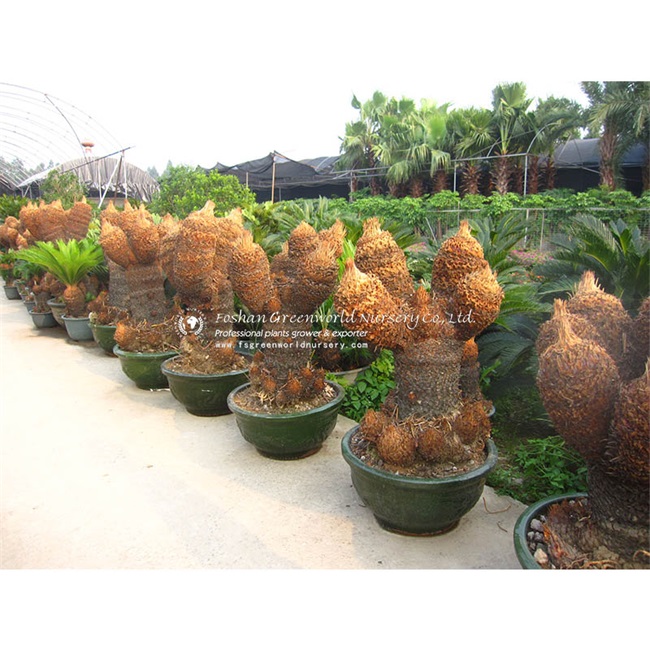
In the ongoing quest to beautify urban spaces and promote environmental sustainability, the integration of diverse plant species plays a crucial role. Recently, attention has been drawn to the Large Sago Palm, a distinctive and resilient plant that offers numerous landscaping benefits. When combined with a variety of other notable trees and plants such as Lagerstroemia Indica, Delonix Regia, and Ficus Religiosa, cityscapes can be transformed into vibrant, green environments that enhance ecological health and aesthetic appeal.
### The Appeal of the Large Sago Palm
The Large Sago Palm stands out as a unique palm species known for its lush, feather-like fronds and compact growth habit. Although not a true palm, its cycads offer striking architectural interest in gardens and urban parks. One of its key advantages is its adaptability to a range of climatic conditions, making it an ideal choice for various regions seeking durable and low-maintenance plants.
Beyond aesthetics, the Sago Palm contributes to air purification and microclimate regulation. Urban areas plagued with heat islands and pollution can significantly benefit from its shade and the natural cooling effect it provides. While its slow growth demands patience, the Long-term rewards of incorporating large Sago Palm plants into landscaping schemes are undeniable.
### Complementing the Urban Flora Spectrum
Integrating the Large Sago Palm with other renowned species like Lagerstroemia Indica, commonly known as the Crepe Myrtle, broadens the palette of colors and textures available to landscape architects. Lagerstroemia Indica's spectacular summer blooms in shades of pink, red, and white add seasonal vibrancy, attracting pollinators such as bees and butterflies, which are vital for ecosystem balance.
Similarly, Delonix Regia, famously known as the Flame Tree or Royal Poinciana, is celebrated for its explosive red-orange flowers that create dramatic canopies, casting dappled shade underneath. Its presence along boulevards and parks helps soften the urban environment, creating inviting spaces for communities to gather and relax.
Other species enriching the urban green inventory include Hibiscus Tiliaceus Rubra and Pongamia Pinnata. Hibiscus varieties are prized for their tropical appearance and fast growth, contributing dense foliage and seasonal flowers. Pongamia Pinnata, a leguminous tree species, is not only ornamental but also known for nitrogen-fixing qualities that improve soil fertility—an essential trait for sustainable landscaping.
### The Multifaceted Benefits of Native and Exotic Trees
Albizia Saman, locally referred to as the Rain Tree, and Millingtonia Hortensis, known as the Indian Cork Tree, offer broad canopies that are perfect for providing shade in hot climates. Their rapid growth and lush green foliage make them excellent candidates for urban parks and roadside plantations.
Ficus Nitida and Peltophorum species are fitness champions when it comes to urban resilience. Ficus Nitida, with its robust root system and wide spreading branches, stabilizes soils and offers habitats for urban wildlife. Peltophorum’s brilliant yellow flowers add eye-catching contrasts in otherwise green spaces.
Among the more iconic species featured in recent landscaping designs is Ginkgo Biloba. Renowned for its fan-shaped leaves and unique status as a living fossil, Ginkgo is remarkably resistant to pollution and diseases. It’s often planted in cities globally for its medicinal qualities and autumnal golden hues.
Magnolia Grandiflora lends classic southern charm with its large, glossy leaves and fragrant white flowers, enriching urban biodiversity. Photinia Serrulata, with its bright red young leaves transitioning to dark green, provides year-round interest in urban gardens.
### Integrating Indigenous Elements for Cultural Connection
Cinnamomum Camphora, or the Camphor Tree, Prunus Yedoensis (Yoshino Cherry), and Trachycarpus Fortunei (Windmill Palm) are species that hold cultural significance and enhance urban identity through their unique features.
The Camphor Tree is highly valued for its aromatic leaves and robust shade. Prunus Yedoensis provides spectacular blossoms in early spring that symbolize renewal and hope in many cultures. Meanwhile, the Windmill Palm introduces a tropical flair, perfect for metropolitan areas seeking climate-appropriate vegetation.
Similarly, Tecoma Stans and Wodyetia Bifurcata, with their brilliant yellow flowers and elegant palm forms respectively, bring a burst of color and tropical sophistication to city gardens.
### Promoting Sustainability with Coastal and Sacred Plants
Sea Grape Plant (Coccoloba uvifera) thrives in coastal urban environments, tolerating saline conditions and stabilizing shorelines. Its broad leaves and clustered fruits support local fauna, making it a valuable addition to tropical urban ecology.
Ficus Religiosa, better known as the Sacred Fig Tree or Bo Tree, holds profound spiritual and environmental significance. Revered in various cultures, its inclusion in urban green spaces fosters cultural heritage, serenity, and promotes mental well-being among residents.
To accommodate the growing interest in compact and artistic plant forms, Ficus Racemosa bonsai cultivations offer an exquisite blend of nature and art. These miniature Sacred Fig Trees fit perfectly in limited spaces, bringing natural beauty indoors or into small urban settings.
### Conclusion: Toward Greener, Healthier Cities
The careful selection and combination of plants—starting from resilient Large Sago Palms to culturally meaningful Sacred Figs—illustrate a comprehensive approach to urban landscaping. By incorporating a diverse palette of trees and plants, city planners, landscape architects, and environmentalists can foster ecosystems that not only beautify but also enhance urban resilience and livability.
This integrated greenery strategy strengthens urban biodiversity, mitigates pollution, and improves community well-being by providing restorative natural environments amid concrete jungles. As urban centers continue to expand, embracing these botanical treasures will be pivotal in crafting sustainable, vibrant cities for future generations.