
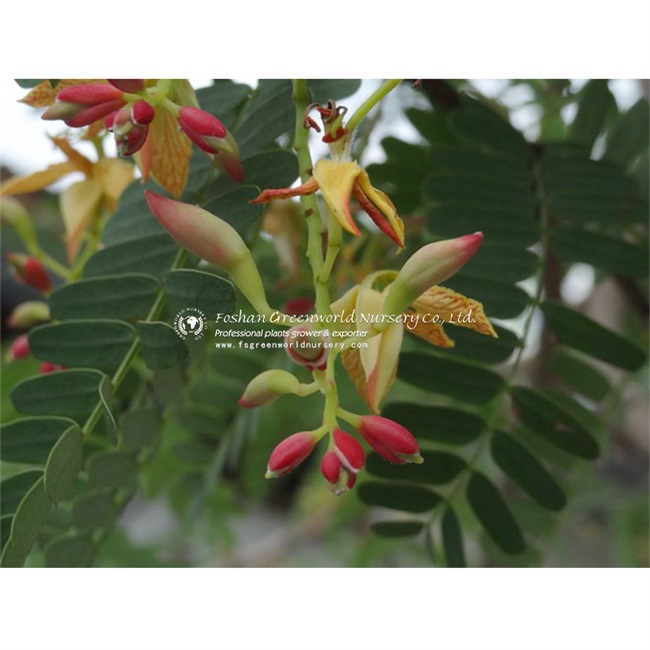
The Magnolia, a timeless and majestic tree, stands as a testament to nature’s artistry and resilience. Revered for its large, fragrant blossoms and lush foliage, Magnolia has captured the admiration of horticulturists, gardeners, and nature lovers worldwide. Beyond its aesthetic appeal, the Magnolia is also an integral part of diverse ecosystems and cultural narratives.
**Magnolia’s Distinctive Charm**
Magnolia trees, known for their grand, creamy-white flowers and broad, glossy leaves, have a unique allure that sets them apart in the botanical world. Their blooms often herald the arrival of spring, offering a striking contrast to the surrounding greenery. Unlike many flowering trees, Magnolias bloom before their leaves fully unfurl, showcasing the flowers in all their glory. This magnificent display not only enhances gardens and parks but also serves as a natural attractant for pollinators such as bees and beetles, contributing to ecological balance.
Typically reaching impressive sizes, Magnolias can be classified into various species and cultivars, each offering distinct characteristics. The Southern Magnolia (Magnolia grandiflora), for example, is famous for its evergreen leaves and enormous, fragrant blossoms. Other species such as the Saucer Magnolia (Magnolia × soulangeana) are deciduous, with stunning tulip-shaped flowers in shades of pink and white. This variety ensures that Magnolias can thrive in a wide range of climates and settings, from urban streetscapes to expansive estates.
**A Rich Company of Distinguished Flora**
The Magnolia takes pride within an illustrious company of trees that embody diversity and ecological significance. These include Lagerstroemia indica, known for its vibrant summer flowers and smooth bark; Delonix regia, the flamboyant Royal Poinciana admired for its fiery red blossoms; and Hibiscus tiliaceus rubra, a coastal tree with heart-shaped leaves and brilliant blooms.
Further enriching this cadre are trees such as Pongamia pinnata, valued for its nitrogen-fixing ability; Albizia saman, the majestic Rain Tree with its umbrella-shaped canopy; and Millingtonia hortensis, often referred to as the Indian Cork Tree, distinguished by its fragrant white flowers. The Ficus genus contributes several species famed for their unique aerial roots and sacred status in many cultures, including Ficus nitida, Ficus religiosa (Sacred Fig), and Ficus racemosa.
Other notable companions include Peltophorum, with bright yellow flowering clusters; Ginkgo biloba, known as a living fossil with fan-shaped leaves; Photinia serrulata, a popular ornamental shrub; and Cinnamomum camphora, the camphor tree, celebrated for its aromatic leaves. Prunus yedoensis, or the Yoshino Cherry, adds seasonal interest with its delicate pink blossoms, while Trachycarpus fortunei (the Windmill Palm) and Wodyetia bifurcata (Foxtail Palm) bring a tropical flair.
Tecoma stans, with trumpet-shaped yellow flowers, Sea Grape, a coastal species with large, leathery leaves, and the bonsai form of Ficus species round out this impressive list of botanicals, each contributing distinct ecological and aesthetic values.
**Ecological and Cultural Significance**
Magnolias, alongside this diverse assembly, play vital roles in their native and cultivated environments. They stabilize soils, support wildlife through food and habitat, and often hold cultural meanings. In many parts of the world, Magnolias symbolize purity, dignity, and perseverance. Their wood, fragrant flowers, and distinctive seeds have been used in traditional medicine and crafts for centuries.
The Southern Magnolia is the state flower of Mississippi and Louisiana, highlighting its cultural prominence in the American South. In Asia, varieties of Magnolia have been employed in traditional remedies and celebrated in poetry and art.
**Cultivation and Care**
Growing a Magnolia demands understanding its needs and natural tendencies. These trees generally prefer well-drained, slightly acidic soils and thrive in full sun to partial shade. Proper spacing is crucial to accommodate their mature size, which can range from medium shrubs to towering trees.
Magnolias benefit from mulching, regular watering especially during dry spells, and minimal pruning to maintain their natural form and health. Care should be taken to protect young trees from strong winds and frost.
**Future Prospects and Conservation**
As urbanization and climate change pose challenges to natural habitats, efforts to conserve and propagate Magnolias and their botanical companions are increasingly important. Conservation programs aim to protect native species, support biodiversity, and promote sustainable landscaping practices.
Nurseries and botanical gardens worldwide are involved in growing rare varieties and educating the public on their significance. Landscape architects often include Magnolias in urban greening projects to provide shade, beauty, and ecological services.
**Conclusion**
The Magnolia stands not only as an emblem of beauty and grace but also as a vital participant in the tapestry of global flora. Alongside a remarkable cadre of trees such as Lagerstroemia indica, Delonix regia, Hibiscus species, Ficus variants, and many others, the Magnolia contributes to biodiversity, ecological health, and cultural richness.
For garden enthusiasts, city planners, and conservationists alike, understanding and appreciating these trees offers an opportunity to connect with nature’s legacy. Embracing their cultivation and preservation ensures that future generations can enjoy their splendor and benefits in the years to come.