
In the ongoing pursuit of greener cities and healthier environments, the importance of trees—both native and exotic—cannot be overstated. Trees not only enhance the aesthetic appeal of urban spaces but also provide essential ecological benefits, including air purification, climate regulation, and habitat creation for wildlife. Among the many species gaining recognition for their adaptability and utility in urban and rural settings is the Malunggay tree. Alongside it, a diverse range of trees such as Lagerstroemia indica, Delonix regia, Hibiscus tiliaceus, and many more contribute uniquely to the landscape, making them valuable assets for city planners, landscapers, and environmentalists alike.
### The Malunggay Tree: A Vital Resource for Health and Sustainability
The Malunggay tree, also known as Moringa oleifera, stands out as a powerhouse of nutrition and medicinal value. Known for its rapid growth and resilience, this tree thrives in tropical and subtropical climates, making it ideally suited for areas that experience extended dry seasons. Its leaves are packed with essential vitamins and minerals, and its seeds are useful for water purification—a characteristic that makes it highly significant in sustainable development efforts.
Beyond its utility in food and health, the Malunggay tree also serves important environmental purposes. It acts as a natural windbreaker, enhances soil fertility through nitrogen fixation, and provides shade to reduce soil moisture evaporation. Its integration into urban greening projects supports efforts to improve public health and combat urban heat island effects.
### Diverse Tree Species Enrich Urban and Rural Environments
While the Malunggay tree is lauded for its many benefits, it is just one among a rich variety of species that contribute to the ecological and aesthetic value of environments worldwide. The introduction and cultivation of several ornamental and native tree species have become integral components of modern landscaping and environmental management strategies.
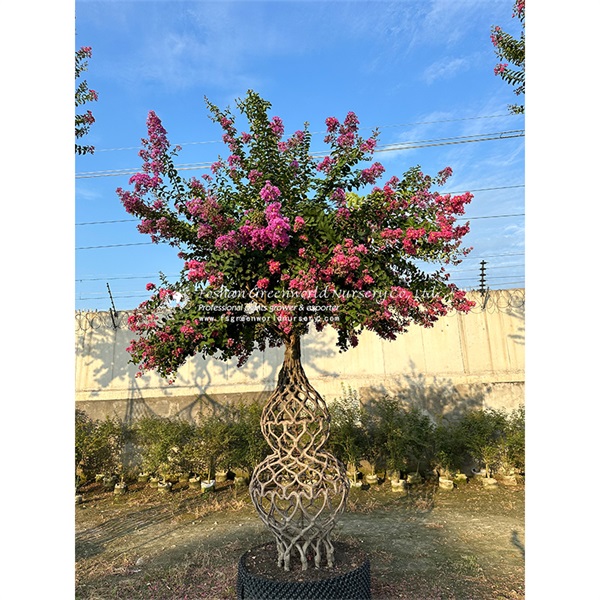
- **Lagerstroemia indica (Crape Myrtle)** is widely admired for its vibrant flowers and attractive bark. It blooms profusely in the summer months, providing bursts of color in urban parks and gardens. Its moderate drought tolerance makes it an excellent choice for regions experiencing warmer summers.
- **Delonix regia (Royal Poinciana)** is a flamboyant tree known for its striking fiery-red flowers and umbrella-like canopy. It provides substantial shade, which helps in cooling urban areas and creating comfortable outdoor spaces.
- **Hibiscus tiliaceus (Sea Hibiscus)** exhibits broad leaves and large, yellow to reddish flowers, thriving in coastal regions due to its salt tolerance. It is often used for shoreline stabilization and as a windbreaker.
- **Pongamia pinnata (Indian Beech)** is recognized for its nitrogen-fixing capabilities and its ability to improve soil health. The tree’s seeds also hold potential for biofuel production, aligning with green energy initiatives.
- **Albizia saman (Rain Tree)** is known for its broad crown that provides extensive shade, beneficial in parks and along roadsides. Its ability to fix nitrogen enriches the surrounding soil, promoting the growth of other plants.
- **Millingtonia hortensis (Indian Cork Tree)** is admired for its tall, slender stature and fragrant white flowers that bloom in the evening. It adds both vertical interest and sensory appeal to landscapes.
- **Ficus species (such as Ficus nitida, Ficus religiosa, and Ficus racemosa)** play significant ecological roles. Renowned for their aerial roots and massive canopies, these figs provide dense shade and are key food sources for birds and wildlife. Their presence in urban areas lends a sense of timelessness and cultural symbolism.
- **Peltophorum** and **Tecoma stans** are add lively yellow flowers to gardens and streetscapes, offering seasonal spectacles that attract pollinators and support biodiversity.
- **Ginkgo biloba**, often called a living fossil, possesses remarkable resilience to pollution and urban stressors. It is favored for its unique fan-shaped leaves and brilliant autumn foliage.
- **Magnolia grandiflora** boasts large, fragrant white flowers and deep green leaves, complementing both formal and informal garden designs.
- **Photinia serrulata** provides year-round interest with its red-tipped new growth and white flowers, serving as an excellent hedge or screening plant.
- **Cinnamomum camphora (Camphor Tree)** releases a distinctive aroma and serves as an effective shade tree in tropical and subtropical areas.
- **Prunus yedoensis (Yoshino Cherry)** lends early spring charm with stunning cherry blossoms, symbolizing renewal and beauty.
- **Trachycarpus fortunei (Windmill Palm)** adds a tropical flair to landscapes and is remarkably cold-hardy among palms.
- **Wodyetia bifurcata (Foxtail Palm)** is prized for its feathery fronds and graceful silhouette, popular in ornamental plantings.
- **Sea Grape Plant** is ideal for coastal landscaping due to its salt tolerance and dense foliage, which acts as a natural windbreak.
Each of these species, whether introduced or native, plays a distinct role in shaping a sustainable, healthful environment. Their combined use in urban landscapes promotes biodiversity, enhances human well-being, and strengthens natural resilience against the impacts of climate change.
### Integrating Trees into Urban Planning and Environmental Strategy
The selection and planting of appropriate tree species demand careful consideration of local climate, soil types, and urban planning goals. Incorporating native species like the Malunggay tree and utilizing resilient exotics such as ginkgo and hibiscus can maximize ecological benefits. Urban forestry programs focused on enhancing green spaces also emphasize community engagement, educating residents about the importance of trees for clean air, mental health, and climate mitigation.
Companies and organizations specializing in horticulture and arboriculture supply these diverse species to meet growing demands for eco-friendly landscaping. By offering a broad palette of trees—from fast-growing nitrogen fixers to ornamental bloomers—they empower planners and homeowners to create verdant spaces that balance beauty and utility.
### Conclusion
The future of sustainable urban and rural environments lies in recognizing and harnessing the vast potential of trees. From the nutritional and ecological powerhouse that is the Malunggay tree to the ornamental elegance of Lagerstroemia indica and the environmental resilience of Ficus species, these trees collectively enrich our landscapes. Their cultivation and careful integration into urban planning not only improve aesthetics but more importantly support biodiversity, combat climate challenges, and promote healthier communities.
As cities continue to grow and face environmental challenges, embracing a diverse array of adaptable tree species remains key. Collaborative efforts between environmental experts, horticulturists, and communities will ensure that these green assets thrive, preserving natural heritage and fostering sustainability for generations to come.