
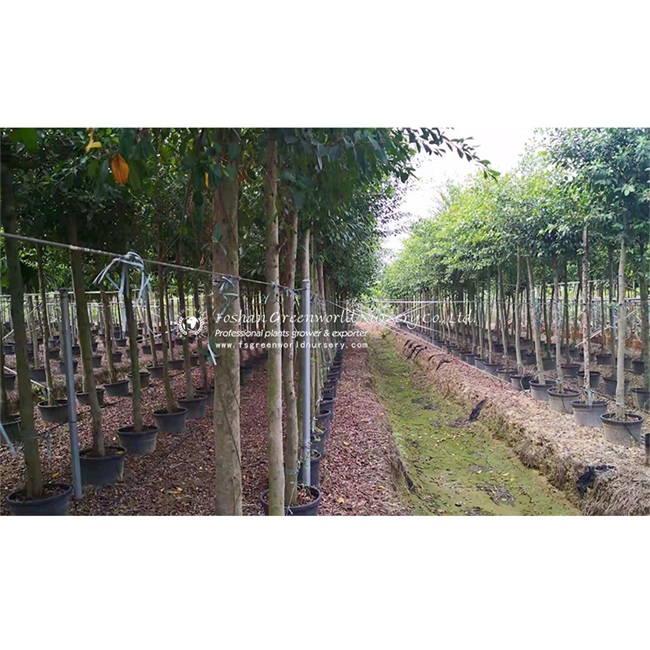
As urbanization continues to expand, the importance of integrating diverse and resilient tree species into city landscapes has never been more critical. Trees not only beautify our surroundings but also provide vital environmental benefits, including improving air quality, offering shade, supporting biodiversity, and mitigating urban heat islands. Among the myriad of species suitable for urban planting, the Millingtonia tree stands out for its unique characteristics and ecological advantages. When combined with a variety of complementary species such as Lagerstroemia Indica, Delonix Regia, Hibiscus Tiliaceus, and several others, urban forests can thrive, creating healthier and more vibrant communities.
**Millingtonia Tree: A Valuable Urban Asset**
The Millingtonia tree, known botanically as *Millingtonia hortensis*, is often heralded for its graceful form and fragrant white flowers. This fast-growing tree is native to South Asia and thrives in tropical and subtropical climates, making it ideally suited for urban environments in similar zones. Its moderate height, expansive canopy, and beautiful floral display offer substantial shade and aesthetic appeal, making it a favored choice for boulevard plantings, parks, and residential areas.
One of the significant ecological benefits of Millingtonia is its ability to attract pollinators such as bees and butterflies, which are essential for maintaining local biodiversity. Moreover, the tree’s ability to adapt to different soil types and resist pollution stresses increase its viability in urban landscapes where conditions can be harsh.
**Diverse Tree Species: Complementing and Enhancing Urban Ecosystems**
While the Millingtonia tree offers numerous advantages, a diverse urban forest requires a variety of species, each contributing distinct ecological and aesthetic value. Incorporating other species such as Lagerstroemia Indica, Delonix Regia, and Hibiscus Tiliaceus enables urban planners and environmentalists to build resilient and multifaceted green spaces.
- **Lagerstroemia Indica (Crepe Myrtle):** Known for its vibrant summer blooms in shades of pink, purple, red, and white, Lagerstroemia Indica is a popular ornamental tree that adds color and interest to streetscapes and gardens. It is drought-tolerant and thrives in full sun, making it an excellent companion for Millingtonia.
- **Delonix Regia (Royal Poinciana):** Famous for its extravagant orange-red flowers and distinctive umbrella-like canopy, Delonix Regia provides superb shade and visual interest. It is a fast-growing species that enhances urban biodiversity by attracting birds and insects.
- **Hibiscus Tiliaceus (Sea Hibiscus):** Often found in coastal areas, this tree is prized for its large heart-shaped leaves and yellow-orange flowers. Its salt tolerance makes it suitable for seaside urban landscapes.
Other species featured in this diverse urban assembly include Pongamia Pinnata, Albizia Saman, Ficus Nitida, Peltophorum, Ginkgo Biloba, Magnolia Grandiflora, Photinia Serrulata, Cinnamomum Camphora (Camphor tree), Prunus Yedoensis, Trachycarpus Fortunei, Tecoma Stans, Wodyetia Bifurcata, Sea Grape Plant, Ficus Religiosa, Bonsai Sacred Fig Tree, and Ficus Racemosa.
Each of these species brings unique traits that enrich the urban forest:
- **Pongamia Pinnata** is notable for nitrogen-fixing abilities, which improve soil fertility.
- **Albizia Saman (Rain Tree)** offers excellent shade due to its large canopy.
- **Ficus Nitida and Ficus Religiosa (Sacred Fig Tree)** serve as keystone species, supporting diverse wildlife.
- **Ginkgo Biloba** is a resilient tree known for its distinctive fan-shaped leaves and capacity to withstand urban pollution.
- **Magnolia Grandiflora** provides year-round greenery and fragrant blossoms.
- **Cinnamomum Camphora** emits a camphor aroma and is known for its robust canopy.
- **Prunus Yedoensis (Yoshino Cherry)** is a springtime favorite with spectacular blossoms.
- **Trachycarpus Fortunei** adds a tropical flair with its palm-like leaves.
- **Tecoma Stans** is valued for its bright yellow flowers, attracting hummingbirds.
- **Sea Grape Plant** contributes resilience in coastal and windy zones.
- **Wodyetia Bifurcata** (the Foxtail Palm) offers an ornamental accent.
- **Ficus Racemosa** provides dense shade and fruit that supports urban fauna.
**Building Resilience Through Tree Diversity**
The scientific consensus underscores that tree diversity is crucial for urban forest resilience. Monocultures or overreliance on a few species can render urban greenery vulnerable to pests, diseases, and climate stressors. Introducing a mosaic of species such as those described ensures an ecological balance, mitigating risks and enhancing ecosystem services.
Moreover, diverse urban forests support a wider range of wildlife, from pollinators to birds and small mammals, contributing to urban biodiversity conservation. Mixed species forests improve soil health, regulate microclimates, and help sequester carbon more effectively.
**Sustainability and Community Impact**
Planting and maintaining diverse tree species in urban areas also fosters improved public health and community well-being. Green spaces lower stress levels, encourage physical activity, and promote social cohesion. Trees improve air quality by filtering pollutants, reduce urban heat, and manage stormwater runoff, lessening flood risks.
From a sustainability perspective, selecting suitable species with consideration for local climate, soil, and urban conditions ensures better survival rates and reduced maintenance costs. Trees like Millingtonia and its companions exemplify this approach, given their adaptability and environmental benefits.
**Conclusion**
The integration of Millingtonia hortensis alongside a broad spectrum of complementary tree species offers an effective strategy for enhancing urban greenery. Together, these trees contribute not only to the beauty and shade of our cities but also bolster environmental sustainability and resilience. Forward-thinking urban planning that prioritizes tree diversity will continue to transform metropolitan environments into healthier, more livable spaces for generations to come.
By investing in varied and ecologically valuable tree species, cities can build a green legacy that benefits people, wildlife, and the planet alike.