
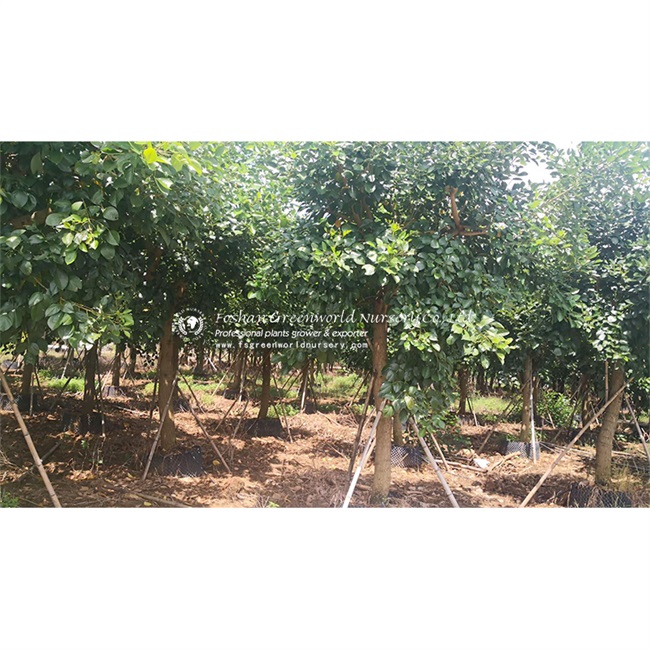
In recent years, urban planning and landscaping have increasingly emphasized the importance of integrating green spaces to improve city environments, promote biodiversity, and enhance the well-being of residents. A variety of tree species, ranging from shade-giving canopies to aesthetically pleasing flowering plants, have gained popularity in landscaping projects across regions. Among these, species like Phoenix Roebelenii, Lagerstroemia Indica, Delonix Regia, Hibiscus Tiliaceus, and many others have proven to be valuable contributors to urban greenery.
This article delves into the characteristics and significance of these tree species and sheds light on how their inclusion in urban environments can bring numerous ecological and social benefits.
### Phoenix Roebelenii: The Elegant Palm of Urban Landscapes
Phoenix Roebelenii, commonly known as the dwarf date palm, is a small, slow-growing palm species admired for its delicate fronds and slender trunk. Despite its modest size, Phoenix Roebelenii offers an exotic flair to gardens, patios, and urban parks. Its tolerance to partial shade and adaptability to container planting make it highly versatile for urban landscaping.
One key advantage of this palm is its low maintenance requirement coupled with resistance to many common pests and diseases. This robustness makes it an excellent choice for cities seeking to incorporate greenery without incurring excessive upkeep costs. Additionally, Phoenix Roebelenii contributes to air purification, aiding in reducing urban pollution levels.
### Lagerstroemia Indica: The Vibrant Crape Myrtle
Lagerstroemia Indica, often known as the crape myrtle, is renowned for its stunning summer blooms featuring vibrant hues of red, pink, white, and purple. This deciduous tree or shrub not only beautifies streets and parks but also plays a vital role in supporting pollinators such as bees and butterflies.
Its bark, which peels elegantly in summer, adds winter interest to landscapes, ensuring year-round appeal. The Lagerstroemia Indica vase form is particularly popular for shaping into structured hedges or shade trees in urban plazas.
### Delonix Regia: The Flamboyant Flame Tree
The Delonix Regia, or flame tree, is prized for its spectacular red flowers that vividly color urban landscapes during blooming seasons. Beyond its aesthetic appeal, the flame tree functions as a natural canopy, providing ample shade — a valuable feature in hot climates. The expansive foliage and extensive root systems also contribute to soil stabilization, an important consideration in city planning.
### Hibiscus Tiliaceus and Hibiscus Tiliaceus Rubra: Coastal Beauties
Both varieties of Hibiscus Tiliaceus, the common and red-flowered types, are favored along coastal urban areas for their salt tolerance and fast growth. Their broad, heart-shaped leaves alongside prominent flowers make these trees attractive additions to beach parks and coastal promenades. Moreover, they help in combating coastal erosion and providing habitats for diverse bird species.
### Pongamia Pinnata (Indian Beech): The Nitrogen-Fixing Ally
Pongamia Pinnata is an important species with multi-functional benefits. Recognized for its capacity to fix atmospheric nitrogen, it enriches poor soils, making it a sustainable choice for urban afforestation. The tree also supports honey production and possesses oil-bearing seeds, offering environmental and economic benefits.
### Albizia Saman: The Rain Tree with Vast Canopy
Albizia Saman, commonly known as the rain tree, is a fast-growing species popular for its wide, umbrella-like canopy that offers excellent shade. Its feathery leaflets that fold during the night or before rain give it its name. Besides urban parks, it is used along highways and in agricultural lands for shade and fodder.
### Millingtonia Hortensis: The Indian Cork Tree
Millingtonia Hortensis is prized for its fragrant, trumpet-shaped white flowers that usually bloom at night. The scent adds a unique sensory quality to urban green spaces. This fast-growing tree also provides ample shade and is effective in improving air quality by absorbing pollutants.
### Ficus Nitida: The Robust Fig
Ficus Nitida, or Indian laurel fig, is a hardy, evergreen tree frequently employed in urban landscaping due to its tolerant nature and dense canopy. Its ornamental value is heightened by its aerial root system, which can be trained into artistic shapes for public spaces.
### Peltophorum: Golden Flame Tree
Peltophorum is another striking flowering tree. Known commonly as the golden flame tree, it bursts into golden yellow flowers during blooming seasons, bringing vibrant color to streets and parks. Its moderate size and fast growth make it suitable for urban environments where space optimization matters.
### Other Notable Urban Trees
- **Ginkgo Biloba:** Famous for its distinct fan-shaped leaves and resilience, this tree is ideal for city planting due to its pollution tolerance.
- **Magnolia Grandiflora:** Renowned for its large, fragrant white flowers and glossy leaves, it is an excellent choice for ornamental purposes.
- **Photinia Serrulata:** This shrub or small tree is popular for its red-tinted young leaves and white flowers, lending seasonal interest.
- **Cinnamomum Camphora (Camphor Tree):** An evergreen tree with aromatic leaves, it is often used for shade and air purification.
- **Prunus Yedoensis (Yoshino Cherry):** Celebrated for its soft pink blossoms, it enhances springtime urban aesthetics.
- **Trachycarpus Fortunei (Windmill Palm):** Valued for its slender trunk and fan-shaped leaves, this is a cold hardy palm suited for temperate cities.
- **Tecoma Stans:** This shrub produces vibrant yellow trumpet-shaped flowers and thrives in warm climates.
- **Wodyetia Bifurcata (Foxtail Palm):** Another ornamental palm, popular in urban gardens for its graceful, bushy fronds.
- **Sea Grape Plant:** Suited for coastal regions, this shrub provides erosion control and colorful fruit.
- **Ficus Religiosa (Sacred Fig Tree):** Revered culturally and ecologically, this fig species is symbolic and beneficial for urban biodiversity.
- **Ficus Racemosa:** This fig variety supports diverse wildlife by providing fruit and shelter.
- **Bonsai:** Artistic miniature trees that exemplify the blend of horticulture and cultural expression in urban spaces.
---
### Integrating Diverse Tree Species: A Sustainable Urban Strategy
The deliberate inclusion of such diverse tree species in landscaping plans highlights a holistic approach to urban greening. These trees collectively contribute to:
- **Improved Air Quality:** Many species act as natural filters, absorbing pollutants and releasing oxygen.
- **Temperature Regulation:** Shade trees reduce urban heat islands, lowering cooling costs and enhancing comfort.
- **Biodiversity Support:** Flowering and fruiting trees nourish local fauna, encouraging balanced ecosystems.
- **Soil Conservation:** Trees such as Pongamia Pinnata and Albizia Saman prevent erosion and improve soil fertility.
- **Aesthetic and Cultural Value:** Different species bring seasonal color changes, fragrance, and cultural significance, enriching urban experiences.
Local governments, landscaping companies, and environmental organizations increasingly advocate for the thoughtful selection and planting of these species. The objective is not only to beautify spaces but also to foster resilience against climate challenges and urban stressors.
---
### Conclusion
Incorporating species like Phoenix Roebelenii, Lagerstroemia Indica, Delonix Regia, Hibiscus Tiliaceus, and others into urban environments is an effective means of enhancing city landscapes. Beyond aesthetics, these trees provide environmental services that are essential for sustainable urban living.
As cities grow and evolve, embracing diverse, resilient, and multifunctional tree species will remain central to promoting healthy, vibrant, and livable spaces for all residents.