
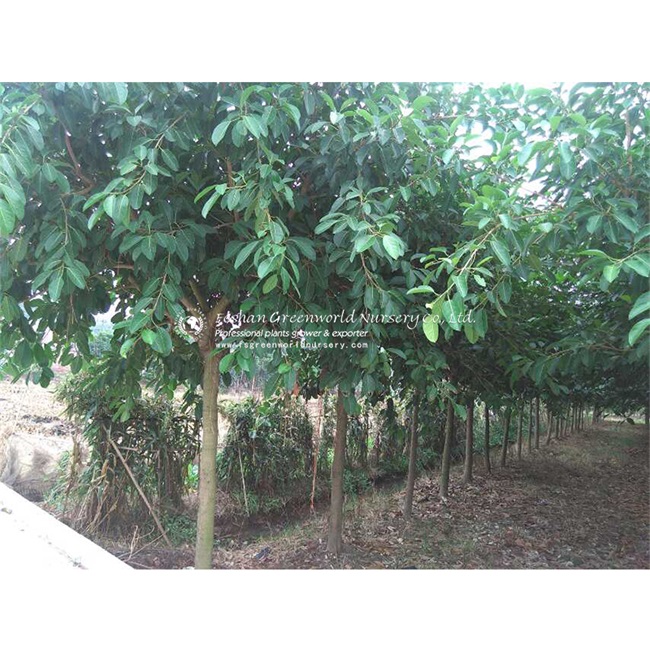
In recent years, urban greening initiatives have gained significant momentum worldwide, emphasizing the importance of integrating diverse plant species to create sustainable, vibrant, and healthy environments in cities. Amid this trend, a variety of trees and plants have been identified as key contributors to urban ecosystems due to their ecological, aesthetic, and cultural value. Notably, the Peltophorum species, along with a rich palette of flora including Lagerstroemia Indica, Delonix Regia, Hibiscus Tiliaceus variants, and many others, are transforming urban landscapes, offering solutions to modern environmental challenges.
### The Importance of Diverse Urban Flora
Urban greenery plays a critical role in improving air quality, mitigating urban heat island effects, and enhancing the well-being of city dwellers. A mix of trees and shrubs suited to local climates is essential for maintaining resilient and adaptive green spaces. The variety of plants like Lagerstroemia Indica, with its vibrant blossoms, Delonix Regia’s spectacular flame-red flowers, and the hardy Hibiscus Tiliaceus, each contribute unique benefits to the urban canopy.
### Spotlight on Peltophorum: A Versatile Urban Tree
Among the various species, Peltophorum stands out for its versatility and robust nature. Widely appreciated for its bright yellow flowers and broad canopy, this tree is particularly suited to urban settings where shade and visual appeal are needed. Peltophorum's rapid growth and adaptability to different soil types make it an ideal candidate for city parks, avenues, and roadside plantations.
Beyond aesthetics, Peltophorum aids in combating pollution. Its dense foliage helps trap dust and particulate matter, improving air quality. The tree’s root system contributes to soil stabilization, preventing erosion in vulnerable urban soils. Additionally, Peltophorum serves as a habitat for various bird species, thus supporting urban biodiversity.
### Complementing Species: Enhancing Urban Ecosystems
The company’s diverse plant catalogue underscores the importance of a balanced ecosystem. Species such as Lagerstroemia Indica — commonly known as crape myrtle — provide striking seasonal color, attracting pollinators like bees and butterflies, which are vital for urban ecological health.
Delonix Regia, or the flamboyant tree, is another urban favorite. Its expansive crown and fiery flowers bring vibrancy to public spaces, while its shade is highly valued in hot climates. Meanwhile, Hibiscus Tiliaceus along with its Rubra variant, offers resilience in coastal areas, tolerating saline soils and harsh winds.
Other noteworthy trees include:
- **Pongamia Pinnata**: Valued not only for its shade but also for its potential in biofuel production.
- **Albizia Saman**: Known for its impressive canopy providing extensive shade.
- **Millingtonia Hortensis**: Often called the "tree jasmine," appreciated for its fragrant flowers.
- **Ficus Nitida**: A sturdy fig tree species commonly used in urban landscaping.
- **Ginkgo Biloba**: A living fossil with distinctive fan-shaped leaves and remarkable resistance to pollution and disease.
- **Magnolia Grandiflora**: Known for its large, fragrant flowers and evergreen leaves.
- **Photinia Serrulata**: Popular for its colorful foliage and ease of maintenance.
- **Cinnamomum Camphora**: The camphor tree, valued for its aromatic properties and shade.
- **Prunus Yedoensis**: The celebrated Yoshino cherry, synonymous with springtime beauty.
- **Trachycarpus Fortunei**: A cold-hardy palm adding a tropical feel to temperate urban areas.
- **Tecoma Stans**: Bright yellow trumpet flowers that attract pollinators.
- **Wodyetia Bifurcata**: Known as the Foxtail palm, prized for its elegant symmetry.
- **Sea Grape Plant**: Coastal tolerant with edible fruit, providing ecological and recreational value.
- **Ficus Religiosa (Sacred Fig Tree)** and **Ficus Racemosa**: Both hold cultural significance and offer dense shade.
### Integrated Green Solutions for Modern Cities
The integration of these species by urban planners and landscape architects creates multi-functional green spaces that do more than beautify. They underpin environmental health, contribute to climate change mitigation, and enhance public wellness.
Planting initiatives that include these trees provide carbon sequestration benefits, help conserve urban water systems by reducing runoff, and create habitats that nurture urban wildlife.
### Practical Applications and Future Prospects
Urban forestry programs looking to incorporate such diverse species benefit from partnerships with companies specializing in plant propagation and supply, ensuring quality and sustainability. Knowledge sharing about species adaptability, maintenance, and growth patterns is critical for the successful establishment of these plants in city environments.
Future urban greening projects also focus on educating communities about the ecological roles and care of these trees, encouraging stewardship among citizens.
### Conclusion
In the quest for greener, healthier cities, the selection of appropriate tree and plant species plays a vital role. The Peltophorum tree, alongside a broad array of other flora such as Lagerstroemia Indica, Delonix Regia, Hibiscus Tiliaceus, and many more, embodies the convergence of ecological functionality and aesthetic elegance.
Together, these plants help reshape urban landscapes, making them more sustainable, resilient, and enjoyable for residents. As urban centers continue to grow, embracing diverse and robust greenery remains a cornerstone of environmental strategy, improving quality of life now and for future generations.