
In recent years, urban greening initiatives have gained significant momentum across the globe, with cities striving to create healthier, aesthetically pleasing, and environmentally sustainable spaces for their inhabitants. Planting diverse and well-adapted tree species plays a critical role in enhancing urban biodiversity, improving air quality, providing shade, and mitigating the urban heat island effect. Against this backdrop, an exciting development is the emphasis on a variety of tree species known for their ecological benefits and ornamental value.
This news highlights the introduction and integration of a rich palette of tree species into urban landscapes, encompassing both indigenous and exotic varieties. Such biodiversity not only adds visual charm but also fosters ecological balance, supports wildlife habitats, and promotes environmental education.
**A Diverse Botanical Arsenal for Urban Spaces**
The current approach to urban forestry embraces a broad range of tree species that offer unique ecological functions. Among the roster of plants gaining prominence are:
- **Lagerstroemia Indica**: Popularly called crape myrtle, this species is beloved for its vibrant, long-lasting flower clusters and smooth, peeling bark. Adapted to warm climates, it thrives in urban environments, offering aesthetic appeal during summer and fall.
- **Vase Delonix Regia (Royal Poinciana)**: Known for its flamboyant fiery red flowers and umbrella-shaped canopy, this species provides extensive shade, making it a favorite in parks and roadside planting.
- **Hibiscus Tiliaceus and Hibiscus Tiliaceus Rubra**: These coastal trees are prized for their rapid growth, large green leaves, and showy flowers. They play an essential role in stabilizing soils and preventing erosion in coastal urban settings.
- **Pongamia Pinnata (Indian Beech)**: A hardy species tolerant of a variety of soil and climatic conditions, Pongamia is noted for its nitrogen-fixing capability, which enriches poor soils and benefits neighboring plants.
- **Albizia Saman (Rain Tree)**: This wide-spreading tree is used extensively for shade due to its dense foliage. Its rapid growth and adaptability make it suitable for urban parks and avenues.
- **Millingtonia Hortensis (Indian Cork Tree)**: Appreciated for its fragrant flowers and elegant shape, the Indian cork tree is an ideal ornamental choice for city streets.
- **Ficus Nitida and Ficus Religiosa (Sacred Fig Tree)**: Both species are culturally significant and offer excellent shade with their dense canopies. Their fig fruits also support urban wildlife.
- **Peltophorum**: This genus includes species known for bright yellow flowers and the ability to thrive in diverse climates, enhancing urban greening aesthetics.
- **Ginkgo Biloba**: A living fossil, ginkgo trees are renowned for their unique fan-shaped leaves and extraordinary resilience, making them perfect candidates for urban planting.
- **Magnolia Grandiflora**: With its glossy leaves and aromatic white flowers, this evergreen tree is a classic ornamental species capable of adding grandeur to cityscapes.
- **Cinnamomum Camphora (Camphor Tree)**: This tree is both ornamental and functional, with aromatic leaves and shade-giving properties.
- **Prunus Yedoensis (Yoshino Cherry)**: Famous for its stunning springtime blossoms, the Yoshino cherry enhances urban parks and recreational areas.
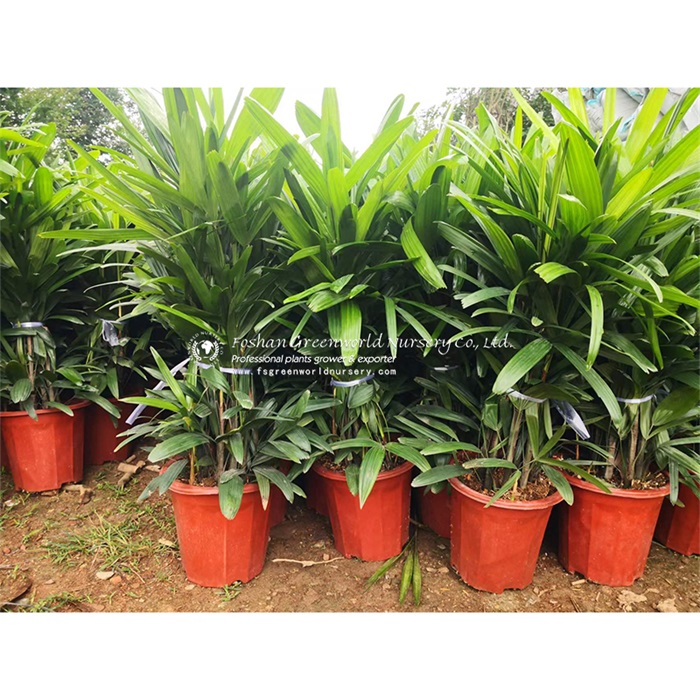
- **Trachycarpus Fortunei (Windmill Palm)** and **Wodyetia Bifurcata (Foxtail Palm)**: These palms introduce tropical elements to urban gardens, offering vertical interest and textural contrasts.
- **Sea Grape Plant**: Suited to coastal urban areas, the sea grape is salt and wind tolerant while producing edible fruit.
- **Ficus Racemosa**: Another large fig species that plays a role in urban ecology and religious traditions.
**Integrating Tree Diversity for Sustainable Urban Ecosystems**
The strategic planting of these species underscores a holistic understanding of urban ecosystems. Trees like Pongamia Pinnata improve soil health through nitrogen fixation, while species such as Hibiscus Tiliaceus contribute to erosion control in vulnerable coastal areas. The shade provided by Albizia Saman and Delonix Regia reduces ambient temperatures, helping cities combat heat stress.
Moreover, flowering species like Lagerstroemia Indica, Magnolia Grandiflora, and Prunus Yedoensis support urban pollinators by providing nectar and habitat. Ficus species offer fruits that sustain birds and other wildlife, thereby enriching urban biodiversity.
From an aesthetic standpoint, the selection of trees with varying forms, colors, and textures creates dynamic and engaging urban landscapes. Seasonal changes, such as the cherry blossoms in spring or the golden hues of ginkgo leaves in autumn, connect city dwellers with nature cycles, contributing to mental well-being.
**Challenges and Opportunities in Urban Tree Management**
While the diverse species selected are well-suited to urban conditions, challenges such as space constraints, soil compaction, pollution, and maintenance costs persist. Successful integration requires thoughtful planning addressing the microclimate, soil conditions, and long-term care.
Furthermore, the inclusion of culturally significant species like Ficus Religiosa and Albizia Saman enhances community acceptance and engagement. Educational programs centered around these trees can foster stewardship and environmental awareness.
Technological advances, including GIS mapping and remote sensing, enable urban planners to optimize tree placement and monitor health. Community participation in planting and care can magnify the social benefits, encouraging a shared sense of ownership.
**Conclusion**
The integration of a broad spectrum of tree species—from hardy natives to majestic exotics—into urban landscapes represents a forward-thinking approach to greening cities. This blend not only beautifies urban spaces but also supports ecological functions vital to sustainable living.
By embracing species such as Lagerstroemia Indica, Delonix Regia, Hibiscus Tiliaceus, Pongamia Pinnata, various Ficus species, and many others, urban greening initiatives are laying the foundation for resilient, biodiverse, and human-friendly environments. These efforts reflect a commitment to environmental stewardship and a vision of cities where nature and urban life coexist harmoniously.
As cities continue to grow, planting and nurturing diverse tree populations will be paramount in promoting healthier, cooler, and more vibrant urban spaces for generations to come.