
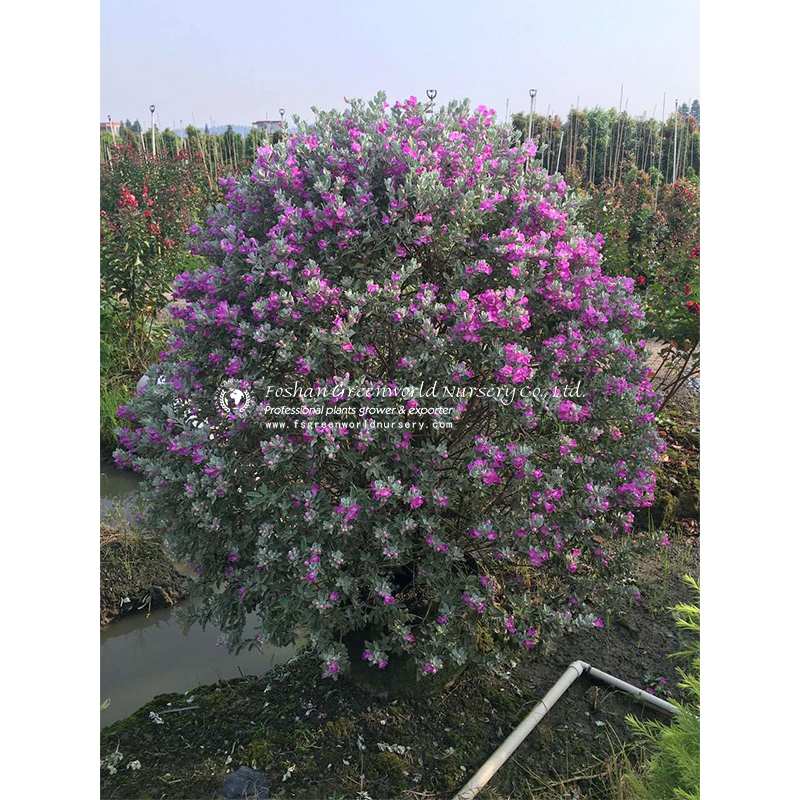
In the ever-evolving landscape of urban beautification and environmental sustainability, the incorporation of diverse and aesthetically pleasing plant species plays a crucial role. Among these, *Prunus yedoensis*, commonly known as Yoshino cherry, stands out as an exquisite choice celebrated for its stunning floral display and ecological benefits. The recent emphasis on this species highlights a broader commitment by leading horticultural companies to enrich urban green spaces with a variety of trees and shrubs, contributing both to environmental health and community well-being.
### The Charm of Prunus Yedoensis
*Prunus yedoensis* is renowned for its ephemeral yet breathtaking bloom of delicate pink and white blossoms in early spring. This deciduous flowering cherry tree originates from Japan and has been cultivated worldwide for its ornamental beauty. What makes *Prunus yedoensis* particularly notable is its graceful form and the way the flowers seem to blanket the tree, creating a picturesque scene that attracts nature enthusiasts and casual observers alike.
Beyond its aesthetic appeal, *Prunus yedoensis* serves as an important species for pollinators during early spring and provides habitat for various urban wildlife. Its relatively moderate growth and adaptability to different soil types make it suitable for metropolitan parks, roadside plantings, and private gardens.
### Commitment to Greenery: A Broader Palette of Urban Trees
The introduction and promotion of *Prunus yedoensis* by various horticulture and landscaping companies coincide with a growing catalog of tree species utilized to enhance urban environments. Among these species are:
- **Lagerstroemia indica** (Crepe Myrtle): Valued for its long-lasting, vibrant blooms and tolerance to heat and drought.
- **Delonix regia** (Flamboyant Tree): Recognized for its spectacular fiery red flowers and shade-providing canopy.
- **Hibiscus tiliaceus** (Sea Hibiscus) and its variant **Rubra**: Known for their heart-shaped leaves and large, bright flowers.
- **Pongamia pinnata**: A nitrogen-fixing tree contributing to soil health and providing shade.
- **Albizia saman** (Rain Tree): Renowned for its expansive, umbrella-like canopy creating natural outdoor shelters.
- **Millingtonia hortensis** (Indian Cork Tree): Appreciated for its fragrant white flowers and fast growth.
- **Ficus nitida** (Indian Laurel Fig): Often used in bonsai or as a shade tree, notable for its dense foliage.
- **Peltophorum** species: Bearing clusters of yellow flowers, these trees are commonly used in landscaping for vibrancy.
- **Ginkgo biloba**: Known as a “living fossil,” prized for its unique fan-shaped leaves and autumnal color.
- **Magnolia grandiflora**: Evergreen trees with large, fragrant white blossoms contributing to year-round greenery.
- **Photinia serrulata**: Popular for its red-tipped new growth and white spring flowers.
- **Cinnamomum camphora** (Camphor Tree): A large evergreen tree with aromatic leaves, often used in parks.
- **Trachycarpus fortunei** (Windmill Palm): A hardy palm that adds a tropical flair to urban gardens.
- **Tecoma stans**: A flowering shrub or small tree with bright yellow trumpet flowers.
- **Wodyetia bifurcata** (Foxtail Palm): Known for its fluffy, plume-like fronds.
- **Sea Grape Plant**: Provides dense foliage and edible fruit, common in coastal landscaping.
- **Ficus religiosa** (Sacred Fig Tree) and **Ficus racemosa**: Both significant culturally and ecologically, with large canopies and multiple benefits to urban biodiversity.
This diverse array of tree species offered by landscaping firms not only enhances visual appeal but also promotes biodiversity, improves air quality, reduces urban heat islands, and fosters community well-being.
### Integrating Prunus Yedoensis into Urban Environments
The integration of *Prunus yedoensis* into urban planning aligns with sustainable landscaping practices aimed at creating green corridors and recreational spaces that encourage outdoor activities and environmental education. Urban planners and horticulturists advise careful site selection for these cherry trees to maximize their longevity and minimize maintenance challenges. Typically, areas with good drainage, ample sunlight, and space for canopy expansion are ideal.
In addition, *Prunus yedoensis* can be paired with other flowering plants and trees such as *Photinia serrulata* and *Lagerstroemia indica* to create layered plantings that offer year-round interest and ecological benefits. Such combinations can attract various species of birds, bees, and butterflies, enriching the urban ecosystem.
### The Role of Companies in Urban Greening Initiatives
Companies specializing in the propagation and distribution of a wide variety of trees and plants have taken a proactive role in supporting city greening initiatives. By offering species like *Prunus yedoensis* alongside other ornamental and native trees, these firms contribute to a sustainable approach to landscaping that balances beauty, functionality, and environmental stewardship.
Moreover, education and outreach programs by these companies help communities understand the benefits of urban trees — from carbon sequestration to mental health improvements. They also provide technical support on tree care, disease management, and planting strategies, ensuring that investments in urban greenery yield long-lasting benefits.
### Conclusion
As cities around the world strive to enhance livability through greener spaces, species such as *Prunus yedoensis* demonstrate the power of nature’s beauty to transform urban spaces. When combined with a spectrum of complementary plants offered by expert horticulture companies, urban landscapes become vibrant, healthy, and resilient.
The embrace of *Prunus yedoensis* in urban forestry efforts not only beautifies the environment but also sends a message about the importance of biodiversity, community connection to nature, and sustainable urban development. In this light, it stands as more than just a flowering tree — it is a symbol of harmony between urban life and the natural world.