
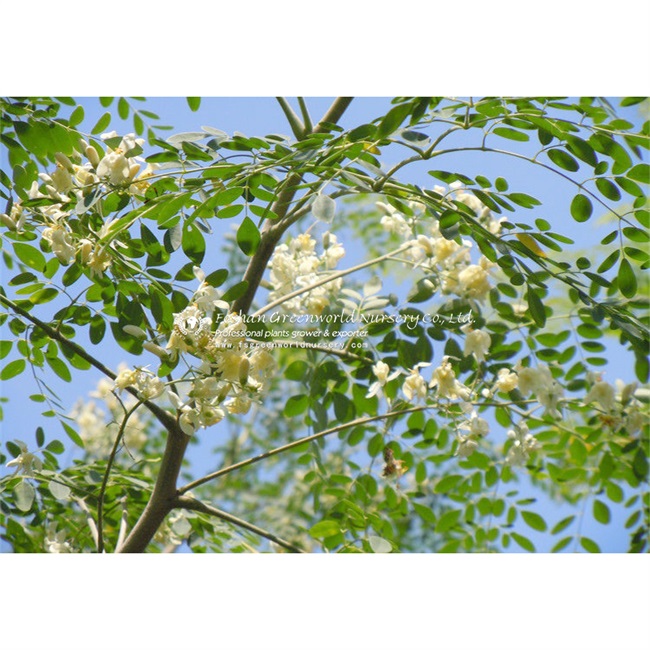
In a significant move to enhance urban greenery and promote environmental sustainability, a comprehensive selection of tree species has been introduced across various city landscapes. This initiative aims to improve air quality, provide shade, and beautify urban spaces, contributing to the well-being of city residents. The diverse array of trees chosen reflects both aesthetic appeal and ecological benefits, ensuring adaptability across different urban settings.
Among the featured species are **Lagerstroemia indica** (commonly known as Crape Myrtle), renowned for its vibrant summer blooms and resilient nature. This deciduous tree thrives in hot climates and offers a spectacular display of pink, purple, or white flowers, making it a favorite for ornamental planting along streets and parks.
A variety of flowering and shade trees form an integral part of this urban greening program. **Delonix regia**, or the flamboyant flame tree, stands out with its striking fiery orange-red blossoms and broad canopy ideal for providing shade in open areas. Similarly, **Hibiscus tiliaceus** in its red variety adds to the floral diversity with its lush foliage and bright yellow to red blooms, promoting both beauty and habitat for pollinators.
Native and exotic species such as **Pongamia pinnata** are also included for their multiple benefits. This fast-growing leguminous tree is known for nitrogen fixation, thereby enhancing soil fertility. Its adaptability to various soil types and resistance to drought makes it a strategic choice for urban forestry projects, especially in regions facing water scarcity.
The initiative also features shade trees like **Albizia saman** (Rain Tree) and **Millingtonia hortensis** (Indian Cork Tree). Albizia saman is favored for its expansive canopy and ability to reduce urban heat through effective shading. Millingtonia hortensis, on the other hand, is valued for its fragrant white flowers and rapid growth, providing quick greenery in new development sites.
Broadleaf evergreens such as **Ficus nitida** and **Peltophorum** species contribute to year-round greenery. Ficus nitida, known for its dense foliage and aerial roots, is effective in noise reduction and microclimate regulation in crowded urban areas. **Peltophorum** trees, with splendid yellow flowers, bring seasonal color contrasts while serving as natural air purifiers due to their high carbon sequestration potential.
Noteworthy additions include the ancient **Ginkgo biloba**, a deciduous tree with fan-shaped leaves, admired both for its unique aesthetic and its remarkable resilience to pollution and pests. Its presence in urban settings serves as a symbol of endurance and environmental stability.
For homeowners and community spaces, trees like **Magnolia grandiflora** offer year-round glossy foliage with large, fragrant white flowers, blending ornamental value with ecological benefits such as providing habitats for birds and insects.
Ornamental shrubs such as **Photinia serrulata**, with its striking red young foliage, are utilized to create hedges and borders contributing to the layered greenery effect in streetscapes. Similarly, **Cinnamomum camphora** (Camphor Tree) is planted for its evergreen presence and aromatic leaves, which have traditional uses beyond landscaping.
In addition to these, cherry blossom trees like **Prunus yedoensis** have been introduced to celebrate the seasonal beauty of spring, drawing communities outdoors and fostering social interaction while boosting mental health through nature contact.
Palms such as **Trachycarpus fortunei** and **Wodyetia bifurcata** add tropical accents to urban parks and plazas, contributing to the diversity in tree canopy structure and accommodating varied wildlife species.
Species such as **Tecoma stans** with bright yellow trumpet-shaped flowers, and **Sea Grape Plant** known for its broad leaves and edible fruit, offer both ornamental and practical benefits, including attracting pollinators and providing shade.
Sacred and culturally significant trees like **Ficus religiosa** (Sacred Fig) and **Ficus racemosa** carry spiritual and historical importance, which is leveraged to raise awareness about urban nature conservation.
Finally, bonsai versions of key species are being cultivated to encourage urban residents to engage with greenery on a smaller, more manageable scale, promoting sustainability in limited spaces such as balconies and urban patios.
This urban greening initiative reflects a commitment to integrating biodiversity into cities, enhancing not only the visual landscape but also contributing to environmental health and community well-being. Through the careful selection of resilient, attractive, and ecologically valuable trees, city planners and environmentalists are fostering greener, cooler, and more livable urban environments for current and future generations.
---
This detailed showcase of tree species underscores the multifaceted benefits of urban forestry, from beautification and shade provision to air purification and community health. As more cities adopt such comprehensive greening strategies, the positive impact on urban ecosystems and residents’ quality of life is expected to grow exponentially.