
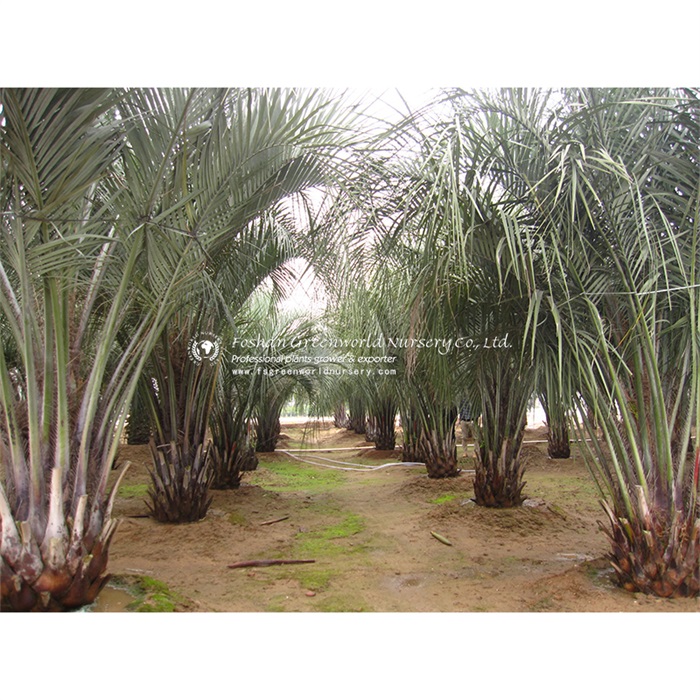
In the rapidly urbanizing world, the importance of integrating lush greenery into cityscapes has never been more crucial. Urban greenery not only beautifies environments but also significantly contributes to improving air quality, reducing heat islands, and promoting mental well-being. Among the variety of plants gaining prominence in urban landscaping and home décor is the Pygmy Date Palm, scientifically recognized as Phoenix roebelenii. Alongside this, a diverse collection of ornamental and shade trees is flourishing in popularity, including Lagerstroemia indica, Delonix regia, Hibiscus tiliaceus, Pongamia pinnata, Albizia saman, and many more.
### The Charm of Pygmy Date Palm
The Pygmy Date Palm is a compact, slow-growing palm known for its graceful, arching fronds and manageable size which makes it an ideal choice for both indoor and outdoor planting. This palm is favored for its ability to thrive in partial shade and withstand varying temperatures, making it versatile across different climates. Its rich green foliage adds an exotic and tropical feel to urban gardens, patios, and interior spaces alike.
One of the standout qualities of the Pygmy Date Palm is its low maintenance. Unlike many larger palm species that require significant care, this smaller palm can flourish with minimal attention, needing well-drained soil and moderate watering. It is also relatively pest-resistant, allowing it to maintain its aesthetic appeal without the frequent use of pesticides.
### Diverse Selection of Ornamental Trees for Urban Landscapes
Complementing the charm of the Pygmy Date Palm is a wide array of trees that offer diversity in form, color, and function. From flowering trees to ornamental foliage species, these plants provide structural interest, seasonal blooms, and ecological benefits.
**Lagerstroemia indica**, commonly called Crepe Myrtle, is a deciduous tree beloved for its vibrant summer flowers in shades of pink, lavender, and white. It thrives in warm climates and acts as a beacon of color and life during the hot months.
**Delonix regia**, also known as the Royal Poinciana or Flamboyant tree, is famed for its wide canopy and spectacular flame-red flowers. It's often planted in parks and large gardens providing significant shade and ornamental value.
**Hibiscus tiliaceus**, available in both Rubra and standard varieties, is a coastal tree with large heart-shaped leaves and bright yellow, hibiscus-like flowers that add tropical flair. It’s particularly adaptable to saline environments, making it suitable for seaside plantings.
**Pongamia pinnata**, a fast-growing tree with glossy leaves and fragrant flowers, is known for its nitrogen-fixing ability which improves soil fertility. This makes it not only an ornamental choice but also beneficial for improving urban soil health.
**Albizia saman**, often called the Rain Tree, is a large canopy tree providing substantial shade and distinguished by its umbrella-shaped crown. Its feathery foliage and pink powder-puff flowers attract biodiversity, supporting birds and pollinators.
Other noteworthy tree species include **Millingtonia hortensis**, admired for its fragrant white flowers, **Ficus nitida** with dense foliage suited for hedges and bonsai, and **Peltophorum**, offering rich yellow flower clusters.
### The Ecological and Social Benefits of Urban Trees
Incorporating diverse tree species like **Ginkgo biloba**, **Magnolia grandiflora**, **Photinia serrulata**, and **Cinnamomum camphora** into city landscapes enhances biodiversity. For instance, the ancient Ginkgo biloba not only serves as a living fossil connecting us to millions of years of botanical history but also thrives amidst urban pollution. Magnolia grandiflora produces large, fragrant white blossoms that brighten public parks, while Photinia serrulata offers year-round interest with its glossy red leaves.
The social benefits are equally significant. Trees like **Prunus yedoensis**, famous for its cherry blossoms, transform urban spaces into seasonal attractions, fostering community gatherings and cultural festivities. Similarly, **Trachycarpus fortunei**, a hardy palm species, brings a subtropical vibe suitable for temperate cities.
### Bonsai and Sacred Trees: A Touch of Spirituality and Art
Adding to the urban planting palette are bonsai varieties derived from species like **Ficus religiosa** (sacred fig tree) and **Ficus racemosa**. Bonsai cultivation allows enthusiasts to express creativity and connect with nature on a miniature scale, symbolizing harmony and patience. Sacred fig trees, revered in many cultures, imbue urban gardens with spiritual significance, often becoming focal points in meditation and relaxation spaces.
### Future Outlook: Sustainable Urban Greening
The increasing global emphasis on sustainability is spotlighting the importance of selecting plants that are not only aesthetically pleasing but also environmentally beneficial. Many of these trees and palms contribute to carbon sequestration, support local wildlife, reduce soil erosion, and buffer urban noise pollution.
Nurseries and landscaping companies are rising to the occasion by promoting diverse plant selections that suit varied urban conditions. This strategy creates resilient green spaces that can withstand climate extremes and provide lasting beauty.
### Conclusion
The Pygmy Date Palm is only one star in a constellation of invaluable plants enhancing urban environments. Paired with an impressive repertoire of species—from the vibrant Crepe Myrtle to the majestic Royal Poinciana and the resilient Pongamia pinnata—urban greenery is becoming a celebrated element of city planning. This confluence of aesthetics and ecology not only beautifies our surroundings but also nurtures healthier, more livable urban communities.
As cities continue to expand, the conscious cultivation of these ornamental and functional plants will shape a greener, more sustainable future for generations to come. Through thoughtful selection, planting, and care, urban landscapes can transform from concrete jungles into thriving ecosystems that offer refuge and inspiration to all their inhabitants.