
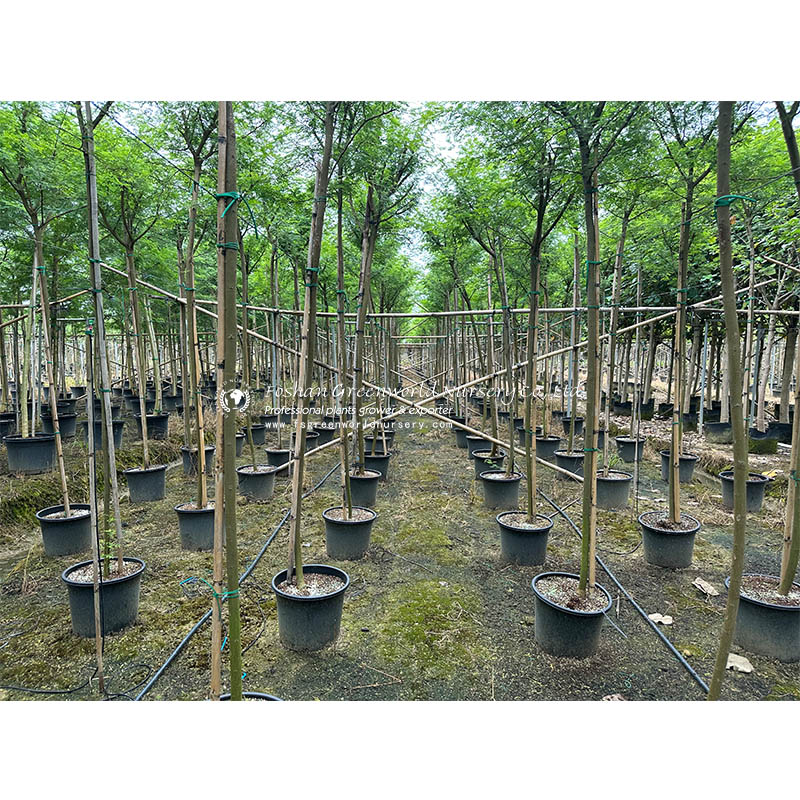
In recent years, urban environments around the world have witnessed a growing movement toward enhancing green spaces with a variety of tree species. This trend is driven by increasing awareness of the ecological, aesthetic, and health benefits that well-maintained urban greenery provides. Among the numerous species gaining attention for landscaping and city beautification projects are Lagerstroemia Indica, Delonix Regia, Hibiscus Tiliaceus (including the Rubra variety), Pongamia Pinnata, Albizia Saman, Millingtonia Hortensis, Ficus Nitida, Peltophorum, Ginkgo Biloba, Magnolia Grandiflora, Photinia Serrulata, Cinnamomum Camphora, Prunus Yedoensis, Trachycarpus Fortunei, Tecoma Stans, Wodyetia Bifurcata, Sea Grape Plant, Ficus Religiosa (also known as the Sacred Fig Tree), and Ficus Racemosa. The diversity and versatility of these species make them excellent choices for both urban planners and residents seeking to transform their living environments.
### The Importance of Urban Trees
In fast-paced urban areas characterized by concrete and asphalt, trees provide critical ecological functions. They improve air quality by filtering pollutants and producing oxygen, mitigate urban heat islands by providing shade, and support biodiversity by offering habitats for birds and insects. Additionally, urban greenery has been linked to positive effects on mental health by reducing stress and encouraging outdoor activities.
Recognizing these multifaceted benefits, cities globally are expanding their tree planting efforts using species that are well-adapted to local climates and soils. The selected species include a mix of native and exotic trees known for their resilience, ornamental appeal, and environmental benefits.
### Highlighting Key Tree Species for Urban Landscapes
**Lagerstroemia Indica**
Known for its striking, colorful flowers and smooth, mottled bark, Lagerstroemia Indica has become a favorite for street planting and parks. It blooms profusely in summer and early autumn, adding vibrant hues of pink, white, and purple to cityscapes. Its ability to thrive in diverse soil conditions and tolerate pollution makes it especially suitable for urban environments.
**Delonix Regia**
Famed as the flamboyant or royal poinciana, Delonix Regia dazzles with its fiery red flowers and wide-spreading canopy. Its shade-providing qualities and brilliant bloom display make it a popular choice for avenues, playgrounds, and large parks. Though native to Madagascar, it has adapted well to tropical and subtropical urban settings.
**Hibiscus Tiliaceus and Hibiscus Tiliaceus Rubra**
These species are valued for their dense foliage and attractive yellow or reddish flowers. Their salt tolerance and sturdiness make them ideal candidates for coastal urban areas. They also support local wildlife, especially pollinators.
**Pongamia Pinnata**
Pongamia Pinnata is a hardy and fast-growing tree appreciated for its low maintenance and drought resistance. It contributes to soil improvement with nitrogen fixation and serves as a good windbreaker. Urban planners often utilize it in reforestation projects and green belts.
**Albizia Saman**
Commonly known as the rain tree, Albizia Saman impresses with its umbrella-shaped canopy that provides excellent shade. Its rapid growth and ability to improve soil quality make it attractive for urban green spaces that require quick canopy coverage.
**Millingtonia Hortensis**
Sometimes called the Indian cork tree, Millingtonia Hortensis is treasured for its fragrant white flowers and tall, elegant structure. It is commonly planted alongside roads and in gardens, adding both aesthetic charm and practical benefits such as shade and fresh air.
**Ficus Nitida, Ficus Religiosa, and Ficus Racemosa**
These Ficus species hold cultural significance and are known for their impressive sizes and longevity. The Sacred Fig (Ficus Religiosa), for example, is revered in various cultures and religions. Besides their cultural value, these trees frequently serve as urban “green lungs” and provide habitat for numerous bird species.
**Peltophorum, Ginkgo Biloba, Magnolia Grandiflora, Photinia Serrulata, Cinnamomum Camphora, Prunus Yedoensis, Trachycarpus Fortunei, Tecoma Stans, Wodyetia Bifurcata, and Sea Grape Plant**
Each plays vital roles in urban landscaping thanks to their unique attributes. For instance, Ginkgo Biloba, a living fossil, is highly pollution tolerant and visually distinctive with its fan-shaped leaves turning golden in autumn. Magnolia Grandiflora offers large, fragrant blooms year-round. Photinia Serrulata provides vibrant red young leaves adding seasonal interest. Cinnamomum Camphora is valued for its dense canopy and aromatic leaves, while Prunus Yedoensis—the cherry blossom tree—is admired for its spectacular springtime display. Trachycarpus Fortunei, a hardy palm, adds tropical flair, and Tecoma Stans is prized for its bright yellow flowers attracting pollinators. Wodyetia Bifurcata, a type of palm, brings structural diversity to urban parks. The hardy Sea Grape Plant thrives in coastal urban areas and provides erosion control along shorelines.
### Integrating Diverse Trees for Sustainable Urban Development
Urban developers and planners are increasingly adopting mixed-species planting schemes to create resilient and biodiverse green spaces. This approach reduces the risk of disease outbreaks often associated with monoculture and enhances the visual and ecological complexity of urban landscapes. Choosing species like those mentioned above, which vary in bloom time, form, and habitat value, ensures green spaces remain attractive and ecologically productive throughout the year.
Furthermore, incorporating culturally significant species such as the Sacred Fig enriches community identity and promotes environmental stewardship among residents. Educational programs often accompany urban tree planting initiatives, teaching citizens about the importance of native and heritage trees in maintaining ecological balance.
### Challenges and Future Outlook
Despite the many advantages, urban tree planting faces challenges ranging from space constraints and soil compaction to pollution and vandalism. Selecting species that are tolerant of urban stressors, such as the ones listed, plays a critical role in overcoming these hurdles. Moreover, advances in horticultural practices and community engagement continue to push forward successful urban greening programs.
Looking ahead, the increasing recognition of the value of green infrastructure in city planning ensures that diverse tree species will be central to creating resilient, healthy, and beautiful urban environments. By embracing a rich variety of trees such as Lagerstroemia Indica, Delonix Regia, Ficus Religiosa, and others, cities can meet their sustainable development and livability goals while offering residents the manifold benefits of nature close to home.
---
In conclusion, the concerted use of diverse tree species in urban landscapes is a powerful strategy for enhancing environmental quality, community well-being, and aesthetic appeal. As cities continue to grow, thoughtful integration of trees like Lagerstroemia Indica, Delonix Regia, and the Ficus species among others will be vital to shaping greener, healthier futures for all urban dwellers.