
In the vibrant tapestry of urban and rural landscapes, trees play an indispensable role—not only by enhancing aesthetic appeal but also by contributing significantly to ecological balance, air purification, and cultural heritage. Among the diverse array of botanical species, *Ficus Religiosa*—commonly known as the Sacred Fig Tree—stands out for its religious significance and ecological importance. Coupled with an exciting assortment of other tree species such as *Lagerstroemia Indica*, *Delonix Regia*, *Hibiscus Tiliaceus Rubra*, and many more, these plants collectively enrich both natural scenery and human life.
### The Significance of Ficus Religiosa
The *Ficus Religiosa* is widely appreciated across the Indian subcontinent and beyond, often found gracing temples, parks, and streets. Revered as the "Sacred Fig," this tree holds deep spiritual significance in Hinduism, Buddhism, and Jainism. Legend associates it with Buddha’s enlightenment beneath its expansive canopy, making it a pivotal symbol of peace, wisdom, and spiritual growth.
Apart from its cultural and spiritual importance, the Sacred Fig supports a thriving ecosystem. Its broad leaves and dense foliage provide shade and habitat for numerous bird species and insects. Additionally, the tree's ability to fix carbon helps mitigate urban pollution and combat climate change.
### A Botanical Kaleidoscope: Company Tree Portfolio
Complementing the beloved *Ficus Religiosa* is an extensive lineup of remarkable species, each contributing unique benefits and charm.
- **Lagerstroemia Indica** (Crape Myrtle): Known for its stunning, long-lasting blooms in shades of pink, purple, and white, this tree is a preferred choice for ornamental gardening and streetscape beautification. Its bark, which peels off in thin flakes, adds decorative texture even in the dormant season.
- **Delonix Regia** (Flame Tree): Famous for its fiery red-orange flowers and wide canopy, it is a popular shade tree in tropical and subtropical regions. This tree attracts pollinators such as birds and bees, fostering biodiversity.
- **Hibiscus Tiliaceus Rubra**: Distinguished by its striking red foliage, it is utilized for both ornamental and ecological reasons. Its fast growth helps with erosion control and provides shelter for wildlife.
- **Pongamia Pinnata**: Valued as a nitrogen-fixing leguminous tree, it enhances soil fertility while providing seeds used for biofuel production, showcasing the synergy between environmental sustainability and energy needs.
- **Albizia Saman** (Rain Tree): Recognizable by its expansive umbrella-shaped crown and fragrant flowers, this tree is prized for shade and its ability to improve soil quality.
Other notable species in the collection include *Millingtonia Hortensis* (Indian Cork Tree), *Ficus Nitida* (Indian Laurel Fig), *Peltophorum*, *Ginkgo Biloba*, *Magnolia Grandiflora*, *Photinia Serrulata*, *Cinnamomum Camphora* (Camphor Tree), *Prunus Yedoensis* (Yoshino Cherry), *Trachycarpus Fortunei* (Windmill Palm), *Tecoma Stans*, *Wodyetia Bifurcata* (Foxtail Palm), and the *Sea Grape Plant*—each bringing their own unique aesthetics, ecological roles, and cultural value.
### Ecological and Urban Benefits
Integrating a diverse portfolio of tree species like these into urban planning and landscape design yields manifold benefits:
1. **Air Quality Improvement:** Trees act as natural air filters by trapping dust, absorbing pollutants, and releasing oxygen. Species like *Ficus Religiosa* with dense foliage are especially effective in high-traffic urban zones.
2. **Temperature Regulation:** Shade-providing trees such as *Albizia Saman* and *Delonix Regia* cool urban environments, mitigating the heat island effect prevalent in cities.
3. **Biodiversity Support:** Different tree species attract varied fauna, ensuring a vibrant ecosystem. For instance, flowering trees like *Lagerstroemia Indica* and *Tecoma Stans* support pollinators critical for ecosystem health.
4. **Aesthetic and Cultural Appeal:** Trees enhance public spaces aesthetically and bolster cultural identity—*Ginkgo Biloba* being a revered plant in East Asian traditions, and the *Sacred Fig* symbolizing spirituality.
5. **Soil Conservation and Water Management:** Species such as *Pongamia Pinnata* and *Hibiscus Tiliaceus Rubra* aid in soil stabilization and water retention, essential for sustainable land management.
### Promoting Sustainable Urban Forestry
Urban forestry initiatives that incorporate a diverse selection of species contribute significantly to resilient, sustainable cities. The thoughtful planting of species groups ensures functionality throughout seasons—flowering, shade, timber, or biodiversity promotion.
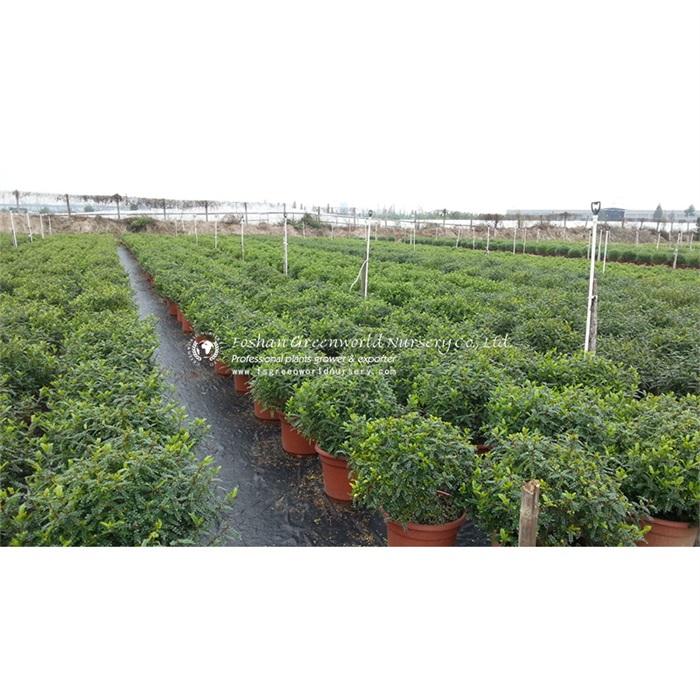
Companies specializing in horticulture and landscape development are now increasingly advocating for multi-species planting schemes that blend both native and exotic species to balance ecological value with aesthetic requirements. By providing high-quality saplings of trees like *Ficus Religiosa* and the vast list of other species, these horticultural providers empower urban planners, gardeners, and environmentalists to create greener spaces that meet varied needs.
### Cultivating Awareness and Responsibility
As environmental challenges intensify—including climate change, urban sprawl, and habitat loss—raising awareness about the value of trees is imperative. Educational campaigns and community planting programs centered around iconic species like the Sacred Fig can engage citizens in conservation efforts.
Moreover, professionally managed nurseries and botanical suppliers ensure accessibility to healthy, disease-resistant saplings, thereby enhancing survival rates and maximum environmental impact.
### Conclusion
The *Ficus Religiosa* epitomizes the profound interconnection between nature, culture, and spirituality, while the rich diversity embodied by trees like *Lagerstroemia Indica*, *Delonix Regia*, and others exemplify nature’s bounty and resilience. Together, these trees not only beautify our surroundings but also fortify ecosystems, foster biodiversity, and promote sustainable urban living.
As society moves toward greener futures, embracing such botanical treasures and expanding our urban forests is both an environmental necessity and a cultural celebration. Whether planted in serene temple courtyards or bustling city avenues, these trees stand testament to nature’s enduring grace and humanity’s responsibility to nurture it.