
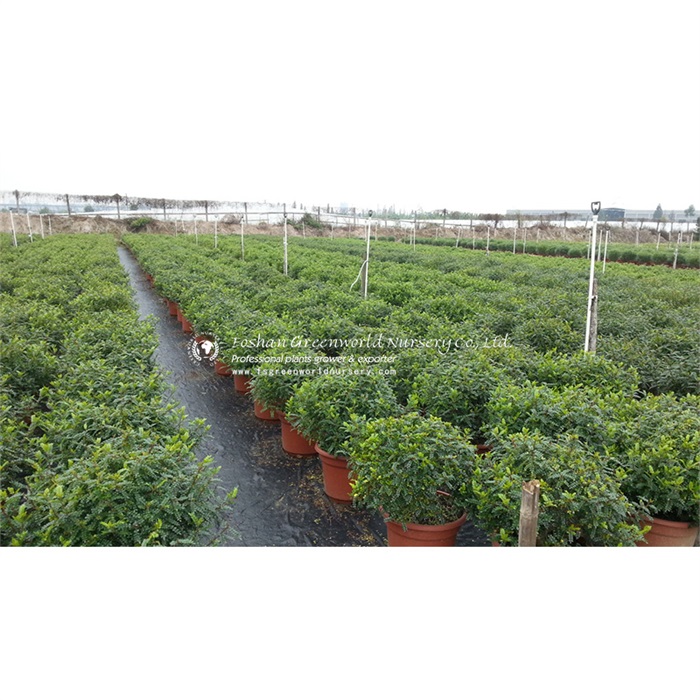
In recent years, there has been a growing interest in cultivating and nurturing Sacred Fig trees, both for their religious and environmental significance. As part of this trend, a company that specializes in horticultural products and services has been promoting the cultivation of Sacred Fig trees, along with a range of other plant species, to encourage environmentally sustainable practices and also to promote cultural and religious awareness.
The company, which has an extensive range of plant varieties in its portfolio including Lagerstroemia Indica, Vase Delonix Regia, Hibiscus Tiliaceus Rubra, Hibiscus Tiliaceus Pongamia Pinnata, Albizia Saman, Millingtonia Hortensis, Ficus Nitida, Peltophorum, Ginkgo Biloba, Magnolia Grandiflora, Photinia Serrulata, Cinnamomum Camphora, Prunus Yedoensis, Trachycarpus Fortunei, Tecoma Stans, Wodyetia Bifurcata, and Sea Grape Plant, has been actively promoting the plantation of Sacred Fig trees as a part of its larger mission to preserve and promote the diversity of plant life.
The company's efforts have drawn attention to the importance of Sacred Fig trees in maintaining ecological balance and promoting sustainable living. The Sacred Fig is known for its ability to thrive in various environmental conditions and is considered an essential part of the ecosystem in many regions where it is native. By advocating for the cultivation and preservation of these trees, the company aims to contribute to the preservation of natural habitats and the promotion of biodiversity.
In addition to its environmental significance, the company also emphasizes the cultural and religious importance of the Sacred Fig tree. In Hinduism, the tree is considered to be the abode of Lord Vishnu and is often planted near temples and other sacred sites. In Buddhism, it is believed that the Sacred Fig tree provides a sense of tranquility and spiritual growth, making it an essential part of many Buddhist monasteries and meditation centers. The company actively promotes the planting of Sacred Fig trees in such religious and cultural settings, aiming to uphold their spiritual significance and promote interfaith understanding.
Moreover, the company has also taken initiatives to promote the cultivation of Sacred Fig bonsai trees, allowing people to bring the essence of these revered trees into their homes and gardens. The Sacred Fig bonsai, with its intricate and carefully cultivated form, serves as a reminder of the tree's spiritual significance and environmental importance. As part of their ongoing efforts, the company organizes awareness campaigns and workshops to educate people about the significance of Sacred Fig trees and the ways in which they can contribute to environmental conservation and religious and cultural harmony.
Furthermore, the company has been involved in collaborative projects with local communities and religious organizations to plant Sacred Fig trees and other plant species in public spaces and sacred sites. These efforts have not only contributed to environmental conservation but have also fostered a sense of community participation and cultural preservation.
In conclusion, the Sacred Fig holds immense significance in various cultural, religious, and environmental contexts. The efforts of the company to promote the cultivation and preservation of Sacred Fig trees, along with a wide range of other plant species, are commendable and have the potential to make a meaningful impact on environmental sustainability, cultural awareness, and religious harmony. By recognizing the importance of the Sacred Fig and actively advocating for its conservation, the company is contributing to the overall well-being of the planet and the enrichment of human society.