
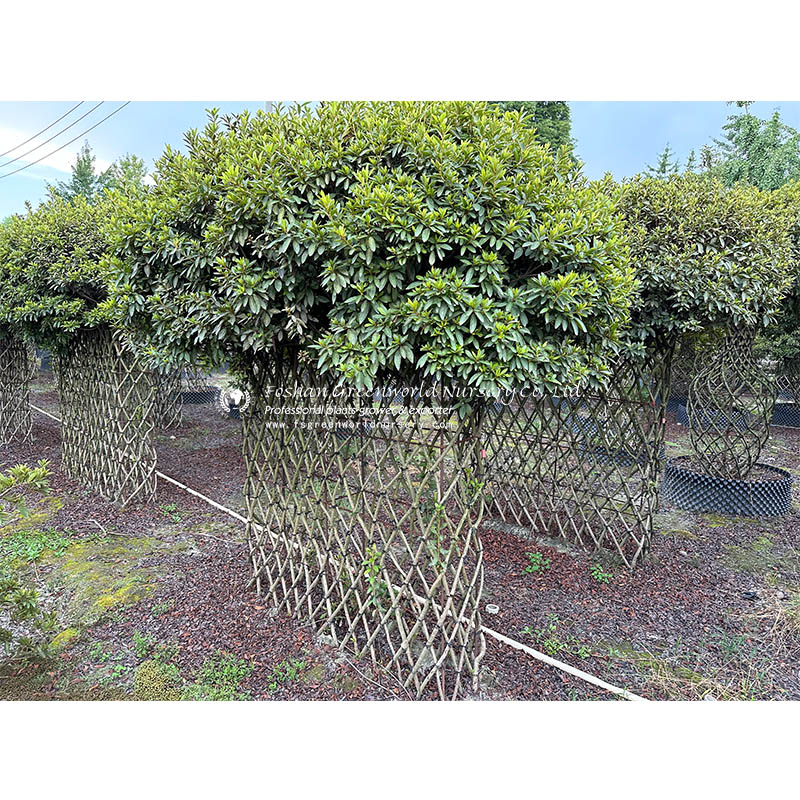
In the ever-evolving landscape of urban development and environmental sustainability, the need for diverse and resilient plant species has become increasingly critical. Among the various trees and plants used for urban greening and ecological restoration, the Rosewood Sissoo tree has emerged as a notable species due to its adaptability, growth characteristics, and environmental benefits. Combined with a broad spectrum of other remarkable plants such as Lagerstroemia Indica, Delonix Regia, Hibiscus Tiliaceus Rubra, and many more, urban planners and environmentalists are creating verdant spaces that support biodiversity, mitigate urban heat, and enhance aesthetic appeal.
**The Significance of Rosewood Sissoo Tree in Urban Ecology**
The Rosewood Sissoo tree, scientifically known as *Dalbergia sissoo*, holds a prominent place in afforestation and landscaping projects. It is a deciduous tree highly valued for its fast growth, resilience to varied climatic conditions, and ability to improve soil fertility. Growing primarily in subtropical and tropical regions, this tree tolerates drought and poor soil conditions, making it an ideal candidate for reforestation and urban plantations in arid and semi-arid environments.
Its deep root system helps in stabilizing the soil and preventing erosion, a crucial benefit in urban and rural settings susceptible to land degradation. Moreover, the Rosewood Sissoo provides ample shade and acts as a carbon sink, thus contributing to the reduction of the urban heat island effect and improving air quality by filtering pollutants.
**Integration with Diverse Plant Species for Enhanced Benefits**
Beyond the Rosewood Sissoo, urban greening initiatives increasingly incorporate a diverse palette of plant species to create balanced ecosystems. Species such as Lagerstroemia Indica—commonly known as crepe myrtle—are cherished for their vibrant flowers and adaptability. Their presence enriches the landscape’s visual appeal while supporting pollinators like bees and butterflies.
Delonix Regia, the flamboyant tree, is famous for its striking red blossoms and widespread canopy, offering shade and habitat. Alongside it, Hibiscus Tiliaceus Rubra adds a splash of brilliant red foliage, enhancing biodiversity and visual interest.
Other species such as *Pongamia Pinnata* (Karanj), known for its nitrogen-fixing ability, improve soil fertility naturally, allowing for sustainable landscaping with minimal artificial inputs. *Albizia Saman*, with its umbrella-shaped crown, creates large shaded areas essential for urban parks and recreational spaces. The inclusion of *Millingtonia Hortensis*, sometimes called the Indian corktree, adds fragrant blossoms that contribute to the sensory experience of green urban environments.
Trees like *Ficus Nitida* (Indian Laurel Fig) and *Ficus Religiosa* (Sacred Fig) are integral to urban forestry for their extensive canopy and cultural significance, offering ecological and social benefits.
Furthermore, the use of *Peltophorum*, *Ginkgo Biloba*, and *Magnolia Grandiflora*, brings a mix of local and exotic species that are increasingly used in urban landscaping for their durability and ornamental value. The *Photinia Serrulata*—known for its striking red leaves—and *Cinnamomum Camphora* (Camphor tree) offer both beauty and aromatic presence, enriching urban biodiversity.
Azalea-like species such as *Prunus Yedoensis* (Yoshino cherry) and ornamental palms like the *Trachycarpus Fortunei* add diversity in form and texture. Shrubs like *Tecoma Stans* with bright yellow flowers and *Wodyetia Bifurcata* (Foxtail palm) further add multi-layered green spaces that support varied wildlife.
Lastly, coastal and tropical species such as the *Sea Grape plant* offer coastal protection and establish resilient urban forests near shorelines.
**Sustainable Urban Landscapes: Benefits and Impacts**
The incorporation of such a wide array of plant types underscores a holistic approach to urban greening, where multifunctionality is prized: shade provision, pollinator support, carbon sequestration, air purification, and soil stabilization. These plants form complex urban ecosystems that are resilient against pests, climate change effects, and urban stresses.
The integration of trees like Rosewood Sissoo and others contributes substantially to carbon capture efforts vital for cities striving to meet climate targets. Their role in enhancing biodiversity ensures that urban parks and green belts become refuges for birds, insects, and small mammals, maintaining crucial ecological networks within city boundaries.
Moreover, green spaces created with these species encourage community interaction, physical activity, and mental well-being among urban residents, aligning with broader sustainability goals that encompass social dimensions.
**Challenges and the Way Forward**
Despite their advantages, the successful application of these species requires careful selection based on regional climate, soil conditions, and urban infrastructure compatibility. Mismanagement or monoculture plantations can lead to vulnerabilities; hence, mixed-species planting is recommended for balanced growth and pest control.
Also, nursery availability and professional guidance in planting and maintenance play critical roles in the long-term success of urban greening projects.
**Conclusion**
The sustainable urban environment of the future rests on the intelligent use of diverse plant species. The Rosewood Sissoo tree, along with a carefully curated selection of trees and shrubs such as Lagerstroemia Indica, Delonix Regia, Hibiscus variants, and many others, represent a powerful toolkit for urban planners aiming to build resilient, beautiful, and environmentally sound cities. Embracing such diversity is essential to not only combat the challenges posed by urbanization and climate change but also to enrich human lives through nature’s presence in our everyday surroundings.
As cities worldwide continue to expand, the priority must be placed on integrating green infrastructure using species that contribute to ecological health, climate mitigation, and social well-being—making landscapes not only sustainable but thriving for generations to come.