
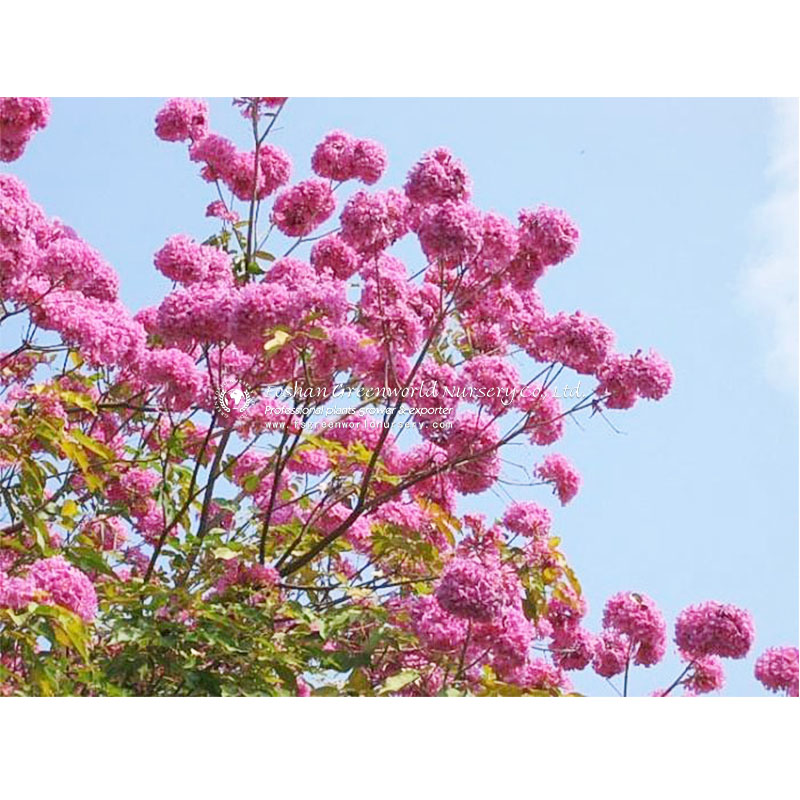
In the rapidly evolving landscape and horticulture industry, a new wave of innovative solutions is transforming urban and residential greenery. With increasing awareness about environmental sustainability and aesthetic appeal, the demand for diverse, hardy, and ornamental plants has surged. Among these, a diverse selection of trees—from the delicate Lagerstroemia Indica to the majestic Magnolia Grandiflora—has gained prominence, offering versatile options for gardeners, landscapers, and city planners alike.
### A Symphony of Nature: Diverse Tree Varieties Enhancing Urban Spaces
Urban green spaces are critical for enhancing air quality, providing shade, and improving the overall quality of life in densely populated areas. Recognizing this, landscapers and horticulturists are turning to a wide array of tree species that not only add aesthetic value but also offer ecological benefits. Noteworthy among these are Lagerstroemia Indica and Lagerstroemia Indica Vase, renowned for their vibrant summer blooms and adaptability to different growing conditions.
Complementing these are large canopy trees such as Delonix Regia, known for its flamboyant red flowers and shade provision, and Albizia Saman, commonly known as the rain tree, which provides extensive ground cover and cooling shade. In coastal and tropical environments, species like Pongamia Pinnata and Hibiscus Tiliaceus (including the red variant Hibiscus Tiliaceus Rubra) thrive, contributing both environmental resilience and ornamental beauty.
### Ecological and Cultural Significance of Selected Species
Beyond aesthetics, many of these trees hold ecological and cultural relevance. For instance, Ficus Religiosa (Sacred Fig Tree) and Ficus Racemosa carry deep spiritual and medicinal importance in various cultures, serving not just as natural air purifiers but also as symbols of heritage and tradition.
Meanwhile, unique species like Ginkgo Biloba, often referred to as a living fossil, add a touch of ancient resilience and charm to any landscape. Ginkgo trees are valued for their striking fan-shaped leaves and resistance to pollution, making them ideal for urban planting.
Other trees such as Millingtonia Hortensis and Tecoma Stans are favored for their fragrant blooms and fast growth, which are essential in rapidly greening degraded landscapes or new developments.
### Ornamental and Functional Trees for Modern Landscaping
For those seeking both ornamental charm and functional benefits, the combination of species such as Photinia Serrulata and Prunus Yedoensis (Yoshino Cherry) provides a rich palette of colors and textures. Photinia with its glossy red young leaves and white flowers creates appealing hedges and screens, while Prunus Yedoensis bursts into spectacular cherry blossoms every spring, enchanting residents and visitors alike.
Shade trees such as Peltophorum and Magnolia Grandiflora offer broad canopies and contribute to urban cooling, an increasingly important factor in combating urban heat island effects. The durable and adaptable Trachycarpus Fortunei, a type of windmill palm, lends an exotic tropical flair while being hardy enough for diverse climates.
Additionally, plants like Wodyetia Bifurcata (Foxtail Palm) and Sea Grape Plant thrive well in coastal environments where soil salinity and wind tolerance are concerns. Their resilience, coupled with striking appearance, makes them favorites for beachside landscaping projects and resorts.
### Integrating Bonsai and Sacred Trees into Modern Design
The Bonsai art form, with species such as Ficus Nitida and Ficus Religiosa adapted for miniature forms, is gaining renewed interest in interior landscaping and urban small-scale gardens. These living sculptures bridge tradition and modern aesthetics, showcasing craftsmanship and environmental mindfulness.
Sacred and culturally significant trees like the Sacred Fig Tree continue to be integrated thoughtfully into park designs, temples, and meditative spaces, harmonizing spirituality with ecology.
### Environmental Impact and Sustainable Green Practices
Sustainability remains a core focus in landscape architecture today. By selecting species that are native or well-adapted to local conditions—such as Pongamia Pinnata known for nitrogen fixation and soil enrichment—landscapers contribute to healthier ecosystems and reduced maintenance needs.
Trees such as Cinnamomum Camphora, with its aromatic oils, and Albizia Saman, with rapid canopy development, help reduce carbon footprints by sequestering carbon dioxide effectively.
Moreover, the use of diverse species ensures resilience against pests, diseases, and climate variability, promoting long-term urban forest health.
### Conclusion
The integration of a broad spectrum of trees—ranging from Lagerstroemia Indica to Ficus Racemosa—represents an exciting chapter in contemporary landscaping and ecological restoration. These species, carefully selected for their aesthetic appeal, cultural significance, and environmental benefits, empower urban planners, landscapers, and homeowners to create greener, more vibrant, and sustainable environments.
As cities grow and climate challenges intensify, embracing such botanical diversity is not just a design choice but an ecological imperative. The synergy of these trees across different landscapes promises to enrich urban biodiversity, provide natural sanctuaries, and enhance the everyday lives of communities worldwide.