
Mangifera indica, commonly known as the mango tree, has long been cherished for its delicious fruit, robust timber, and significant ecological contributions. Across tropical and subtropical regions worldwide, Mangifera indica is esteemed not only for its nutritional value but also for its cultural importance and environmental benefits. Recent studies and industry trends have brought renewed attention to this species, highlighting its potential in sustainable agriculture, traditional medicine, and urban greening.
### Mangifera Indica: An Overview
Mangifera indica is native to South Asia but has been cultivated in many tropical regions for centuries. The tree's fruit is prized globally for its sweet flavor and rich nutritional profile, including vitamins A, C, and E, antioxidants, and dietary fibers. Beyond the fruit, various parts of the mango tree are traditionally used in medicines—its leaves, bark, and seeds are utilized in treating ailments such as diabetes, asthma, and gastrointestinal disorders.
Moreover, mango trees contribute to biodiversity and agroforestry systems, providing shade and habitat for various fauna. Their extensive root systems help in soil stabilization and water retention, making them valuable in combating erosion and desertification.
### Integration with Other Beneficial Plant Species
Alongside Mangifera indica, many other plant species play important roles in ecological balance, urban landscaping, and medicinal applications. Notably, species such as Lagerstroemia indica, Delonix regia, Hibiscus tiliaceus, Pongamia pinnata, Albizia saman, Millingtonia hortensis, and Ficus nitida are increasingly utilized for their aesthetic and environmental benefits.
- **Lagerstroemia indica** (Crape Myrtle): Popular in urban landscaping for its beautiful flowers and resilience to various climates.
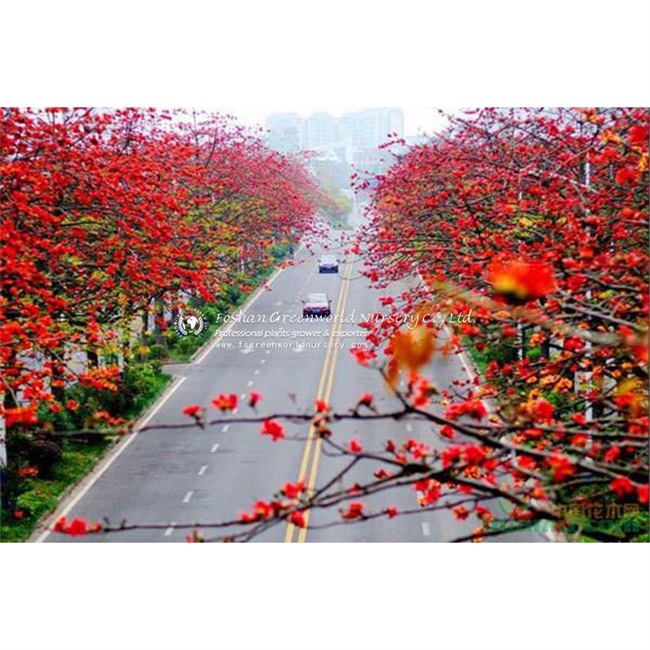
- **Delonix regia** (Royal Poinciana): Renowned for its striking red blossoms, it provides ample shade and enhances biodiversity.
- **Hibiscus tiliaceus**: Used for coastal stabilization and fiber production, it thrives in saline environments.
- **Pongamia pinnata**: Known for its biofuel potential and soil enrichment properties due to nitrogen fixation.
- **Albizia saman** (Rain Tree): Offers broad shade and supports soil health.
- **Millingtonia hortensis**: Often planted for its fragrant flowers and ornamental appeal.
- **Ficus nitida**: Employed in bonsai cultivation and urban greening projects.
Additionally, species like Peltophorum, Ginkgo biloba, Magnolia grandiflora, Photinia serrulata, Cinnamomum camphora, Prunus yedoensis, Trachycarpus fortunei, Tecoma stans, Wodyetia bifurcata, Sea grape plant, Ficus religiosa (Sacred Fig Tree), and Ficus racemosa contribute unique advantages in terms of shade, medicinal value, and ecosystem services.
### Ecological and Economic Significance
The integration of Mangifera indica with these diverse plant species enhances ecological stability and creates multi-functional landscapes. For instance, in agroforestry practices, the mango tree can be intercropped with nitrogen-fixing species like Albizia saman and Pongamia pinnata, improving soil fertility and crop yield without heavy reliance on chemical fertilizers.
Urban planners increasingly incorporate species like Lagerstroemia indica, Delonix regia, and Ficus nitida to combat urban heat islands, improve air quality, and provide visual appeal. Their ability to thrive amidst urban pollution and compact soil conditions makes them invaluable in city landscapes.
From an economic perspective, these plants generate income streams beyond fruit and timber production. Pongamia pinnata’s seeds are used for biofuel, while Ginkgo biloba leaves are harvested for pharmaceuticals. This diversification helps rural and urban communities build resilient economies.
### Community and Cultural Importance
Mangifera indica holds a revered place in many cultures, symbolizing prosperity and life. Festivals centered around mango harvesting and consumption are common in South Asia and other tropical regions, strengthening community bonds.
Similarly, sacred trees like Ficus religiosa and Ficus racemosa carry religious and spiritual significance, often protected and preserved by local communities. Such cultural reverence aids conservation efforts and helps maintain biodiversity.
### Challenges and Future Prospects
While the benefits are clear, challenges remain in balancing commercial exploitation with sustainability. Overharvesting, habitat destruction, and climate change impact the growth and health of these species. Therefore, integrated conservation strategies combining traditional knowledge and modern science are essential.
Promoting the cultivation of Mangifera indica alongside companion species in agroforestry and urban greening initiatives represents a promising approach. Such strategies can support food security, environmental protection, and cultural preservation simultaneously.
Additionally, advancing research into the medicinal properties of these plants can uncover new pharmaceuticals and natural remedies, offering health benefits and economic opportunities.
### Conclusion
Mangifera indica, along with an impressive spectrum of companion species including Lagerstroemia indica, Delonix regia, Hibiscus tiliaceus, Pongamia pinnata, Albizia saman, Millingtonia hortensis, Ficus nitida, and many others, plays a pivotal role in ecological balance, cultural heritage, and sustainable development.
Harnessing the complementary strengths of these plants can foster greener cities, healthier rural landscapes, and resilient communities. It is imperative for policymakers, researchers, urban planners, and communities to collaborate in preserving and expanding the use of these invaluable natural resources, ensuring they remain a source of nourishment, medicine, and beauty for generations to come.