
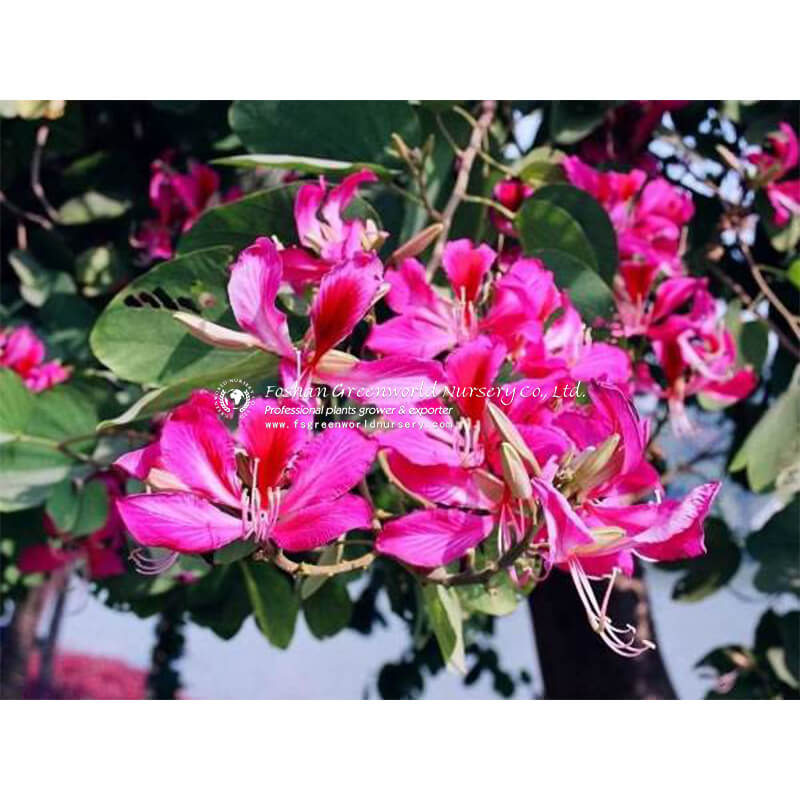
In an era where urbanization continues to accelerate, the importance of integrating green spaces within cityscapes has never been more critical. Among various botanical species contributing to this global ecological endeavor, *Tecoma Rosea* stands out for its versatility and ecological benefits. Coupled with a rich variety of plant species such as *Lagerstroemia Indica*, *Delonix Regia*, *Hibiscus Tiliaceus*, and many others, the potential for transforming urban environments into lively, sustainable ecosystems is immense.
### The Role of Tecoma Rosea in Urban Landscaping
*Tecoma Rosea*, a flowering plant recognized for its vibrant blooms and robust adaptability, is progressively gaining attention within urban landscaping circles. Known for thriving in a range of climatic conditions, this plant is a resilient choice suitable for enhancing the aesthetic and environmental quality of public parks, residential gardens, and roadside plantations.
The bright, trumpet-shaped flowers of *Tecoma Rosea* provide not only visual appeal but also vital nectar for pollinators like bees and butterflies. As pollinator populations face global threats, having such plant species incorporated into urban green areas supports biodiversity. Furthermore, *Tecoma Rosea*’s ability to grow quickly and withstand drought conditions makes it an optimal species for areas experiencing fluctuating weather patterns—helping to stabilize soil and reduce urban heat islands.
### A Diverse Botanical Arsenal for Sustainable Urban Ecosystems
Beyond *Tecoma Rosea*, a wide variety of plant species contributes collectively to urban greening efforts. Species such as *Lagerstroemia Indica*—commonly known as crepe myrtle—offer prolonged flowering periods and distinctive bark textures that enrich landscape diversity. These long-lived trees also serve as natural air filters, capturing airborne particulates and improving overall air quality.
*Delonix Regia*, or the flamboyant tree, is notable for its expansive canopy and striking red-orange flowers. This tropical species offers excellent shade and is frequently used along streets and in parks to provide respite from the sun’s heat. Similarly, *Hibiscus Tiliaceus* varieties, including *Rubra*, are hardy coastal plants that excel in windbreak applications and salt-tolerant landscaping.
Other key species include *Pongamia Pinnata*, a nitrogen-fixing tree that improves soil fertility, and *Albizia Saman*, which forms broad canopies that support urban wildlife. Meanwhile, *Millingtonia Hortensis*—commonly called the Indian cork tree—adds fragrant white flowers and helps enhance urban biodiversity.
### Strategic Urban Greening: The Role of Shade Trees and Ornamental Plants
Trees such as *Ficus Nitida*, *Peltophorum*, and *Ginkgo Biloba* further contribute to green urban corridors by offering cooling shade and reducing energy consumption in nearby buildings. *Magnolia Grandiflora* delivers large, fragrant blooms enhancing urban aesthetics, while *Photinia Serrulata* is favored for its colorful foliage and resilience in urban environments.
Incorporating native and exotic species like *Cinnamomum Camphora* (camphor tree), *Prunus Yedoensis* (Yoshino cherry), and *Trachycarpus Fortunei* (windmill palm) enables diversified landscapes tailored to both climatic factors and cultural preferences. This diversity fosters ecological balance, attracting birds and beneficial insects, which can, in turn, reduce pest populations naturally.
### Unique and Functional Urban Greenery
Further enriching the botanical portfolio are species such as *Tecoma Stans*—known for its bright yellow blooms and medicinal properties—and *Wodyetia Bifurcata* (foxtail palm), prized for ornamental appeal. Additionally, *Sea Grape Plant* plays a crucial role in coastal environments by stabilizing sandy soils.
*Ficus Religiosa*, the sacred fig tree, holds cultural and spiritual significance in various communities, offering not only shade but also connecting urban residents to their heritage. Its relative, *Ficus Racemosa*, and bonsai versions of ficus trees provide flexibility in landscaping design, from grand parks to compact urban gardens.
### Integrating Plant Species for Environmental Benefits
The combined use of these plant species underlines an integrated approach to urban greening. Their collective characteristics—ranging from nitrogen fixation, air filtration, soil stabilization, to providing food and habitat for urban wildlife—build the resilience of urban ecosystems.
Environmental benefits achieved include:
- **Reduction of Urban Heat Island Effect:** Shade trees such as *Delonix Regia* and *Albizia Saman* cool urban spaces, reducing the reliance on artificial cooling systems.
- **Improvement of Air Quality:** Species like *Lagerstroemia Indica* and *Magnolia Grandiflora* trap dust and pollutants, improving respiratory health.
- **Enhancement of Biodiversity:** Flowering plants such as *Tecoma Rosea* and *Tecoma Stans* support pollinators, vital for ecological balance.
- **Soil Enhancement and Stabilization:** Nitrogen-fixers like *Pongamia Pinnata* enrich urban soils, allowing for continued plant growth even in degraded environments.
### Conclusion
Cities worldwide face the pressing challenge of creating livable, healthy environments amid rapid urban expansion. Utilizing the distinct advantages of *Tecoma Rosea* alongside a rich assortment of tree and shrub species such as *Lagerstroemia Indica*, *Delonix Regia*, *Ficus Religiosa*, and others, offers a promising blueprint for sustainable urban greening.
These plants not only beautify cityscapes but also provide essential ecosystem services that combat pollution, conserve biodiversity, and enhance residents’ quality of life. As urban planners, environmentalists, and communities collaborate on greener cities, integrating such diverse botanical resources will remain central to creating resilient urban futures—turning concrete jungles into thriving natural habitats.