
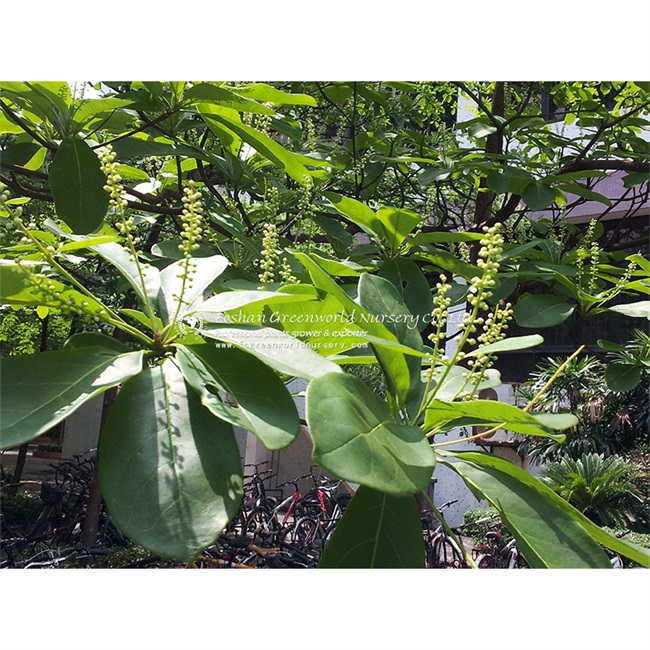
In the vibrant world of horticulture and urban greening, the flowering of *Trachycarpus fortunei*, commonly known as the Windmill Palm, marks an important seasonal event that captivates botanists, gardeners, and nature enthusiasts alike. This remarkable tree, characterized by its fan-shaped leaves and hardy nature, is admired not only for its resilience but also for the delicate beauty of its blossoms, which symbolize growth and rejuvenation across landscapes.
*Trachycarpus fortunei* stands out among a diverse array of species that contribute to the rich tapestry of urban flora and natural ecosystems, including notable trees such as *Lagerstroemia indica* (Crape Myrtle), *Delonix regia* (Royal Poinciana), *Hibiscus tiliaceus rubra*, *Pongamia pinnata*, and *Albizia saman* (Rain Tree). Each of these species plays a unique role in enhancing biodiversity, improving air quality, and providing shade and aesthetic value in urban and rural settings.
### An Overview of *Trachycarpus fortunei*
Native to central and eastern Asia, *Trachycarpus fortunei* is a cold-hardy palm species favored for its adaptability to temperate climates. Unlike many tropical palms, it thrives in regions that experience seasonal temperature fluctuations, making it a versatile choice for landscapers and urban planners. The tree’s flowering period attracts pollinators such as bees and butterflies, which facilitates cross-pollination and ensures biodiversity sustainability.
The flowers of *Trachycarpus fortunei* are small, inconspicuous when compared to the grandeur of the tree itself, yet they hold ecological significance. These blossoms typically appear in late spring to early summer, presenting a soft, creamy hue that subtly adorns the palm. Their emergence coincides with the awakening of other plant species, signaling a seasonal transition that invites collaborative growth within natural habitats.
### Botanical Companions: A Symphony of Greenery
The company’s botanical portfolio includes an impressive collection of species that complements *Trachycarpus fortunei*’s environmental contribution. Some featured species include:
- *Lagerstroemia indica* (Crape Myrtle): Known for its spectacularly vibrant summer flowers, it is a favorite in ornamental horticulture, thriving in warm climates and offering striking blooms in shades of pink, white, and purple.
- *Delonix regia* (Royal Poinciana): Famous for its fiery-red blossoms and umbrella-shaped canopy, this tree provides shade and dramatic aesthetic appeal in tropical and sub-tropical gardens.
- *Hibiscus tiliaceus rubra*: With its large, heart-shaped leaves and bright flowers, it serves as an excellent windbreak and coastal protection species.
- *Pongamia pinnata*: Valued not only for its ecological functions like nitrogen fixation but also for its seeds that are a source of biofuel.
- *Albizia saman* (Rain Tree): Recognized for its broad canopy and ability to enhance soil quality through nitrogen fixation, it supports various wildlife species and contributes significantly to carbon sequestration.
These species, alongside others such as *Millingtonia hortensis*, *Ficus nitida*, *Peltophorum*, *Ginkgo biloba*, *Magnolia grandiflora*, *Photinia serrulata*, *Cinnamomum camphora*, *Prunus yedoensis*, *Tecoma stans*, *Wodyetia bifurcata*, and bonsai varieties like *Ficus religiosa* (Sacred Fig Tree), collectively enrich the botanical landscape. Their presence supports ecosystem stability, promotes wildlife habitats, and fosters greener urban environments, which are essential for mitigating the effects of urban heat islands and improving residents' quality of life.
### Environmental and Social Contributions
The growth and flowering of *Trachycarpus fortunei* and its botanical companions underscore the significance of integrating diverse plant species in urban landscaping projects. These plants provide essential ecosystem services such as carbon storage, air purification, reduction of noise pollution, and temperature regulation. As cities worldwide grapple with climate change and rapid urbanization, the strategic cultivation of resilient and diverse plant species becomes a critical component of sustainable urban development.
Furthermore, flowering events like that of *Trachycarpus fortunei* generate communal interest and environmental education opportunities. By observing these natural phenomena, communities can develop a greater appreciation for ecological processes and the importance of conservation efforts. These trees and plants are often incorporated into public parks, streetscapes, and cultural landmarks, enriching local heritage and community pride.
### Conclusion
The flowering of *Trachycarpus fortunei* serves as a gentle reminder that nature continually offers moments of beauty, resilience, and inspiration. Alongside an impressive variety of botanical species, this palm reinforces the vital role vegetation plays in ecological balance and urban livability. As cities continue to embrace green infrastructure, the inclusion of hardy, flowering species such as *Trachycarpus fortunei* and its companions ensures the cultivation of environments where people and nature thrive harmoniously.
Through ongoing commitment to botanical diversity and sustainable landscaping practices, communities can look forward to flourishing urban forests marked by stunning flowers, verdant canopies, and the buzzing vitality of pollinators—a true testament to the marvels of the plant kingdom.