
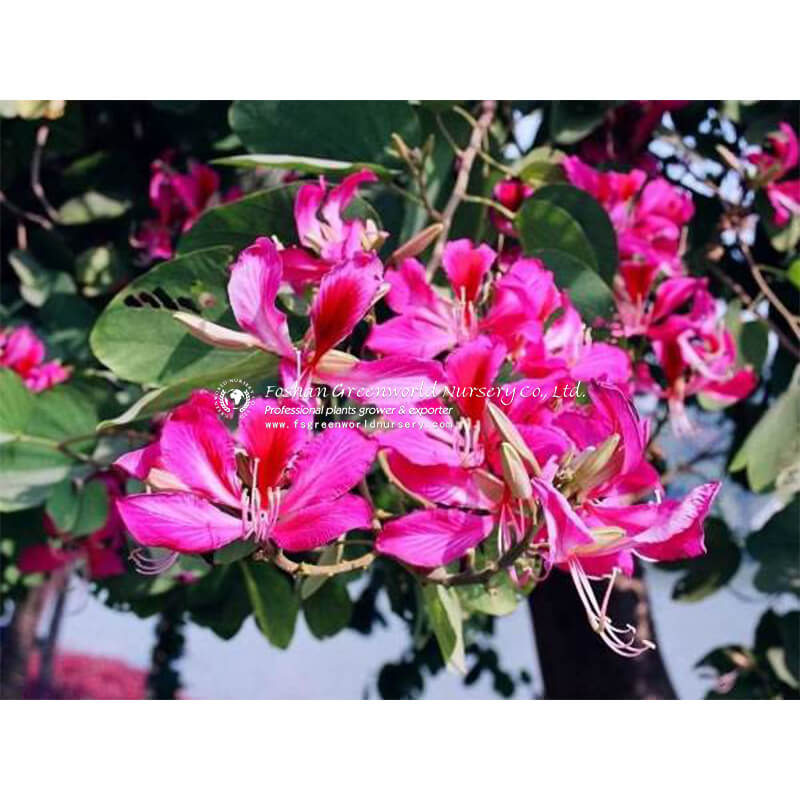
In the pursuit of creating greener, more sustainable cities, the integration of diverse tree species into urban planning has become paramount. Among the variety of flora that contributes to this ecological vision, the Prunus Yedoensis, commonly known as the Yoshino Cherry, stands out for its exceptional aesthetic and environmental benefits. Alongside other notable species such as Lagerstroemia Indica, Delonix Regia, and Ficus Nitida, the Prunus Yedoensis plays a significant role in enhancing urban landscapes and promoting biodiversity.
**The Charm and Utility of Prunus Yedoensis**
Prunus Yedoensis, or Yoshino Cherry, is celebrated for its stunning display of pale pink to white blossoms that herald the arrival of spring. This deciduous tree, originally native to Japan and Korea, has been embraced globally for its ornamental beauty. Urban spaces adorned with Prunus Yedoensis blossoms not only delight the senses but also foster community well-being by providing serene environments for relaxation and recreation.
Beyond its visual appeal, the Prunus Yedoensis serves an important ecological function. It attracts pollinators such as bees and butterflies, contributing to the health of urban ecosystems. Moreover, these trees improve air quality by absorbing carbon dioxide and filtering pollutants, adding value to city environments that often suffer from degraded air quality.
**A Spectrum of Tree Species for Holistic Urban Greening**
Urban forestry requires a diverse selection of trees to address different environmental conditions and aesthetic preferences. In addition to Prunus Yedoensis, several other species contribute uniquely to the urban green canopy:
- **Lagerstroemia Indica (Crape Myrtle):** Known for its vibrant summer flowers ranging from white to deep purple, Lagerstroemia Indica offers prolonged seasonal interest and is highly tolerant of drought and heat, making it ideal for warmer climates.
- **Delonix Regia (Flamboyant or Royal Poinciana):** This tree is famous for its dramatic display of fiery red or orange blossoms and spreading canopy, providing ample shade in parks and streetscapes.
- **Hibiscus Tiliaceus (Sea Hibiscus) and its variety Rubra:** These species thrive in coastal areas, demonstrating resilience to saline conditions, and they produce striking yellow to red flowers that attract pollinators.
- **Pongamia Pinnata (Indian Beech):** Valued for its nitrogen-fixing ability, Pongamia enhances soil fertility naturally, supporting the health of surrounding plant communities.
- **Albizia Saman (Rain Tree):** With its broad, umbrella-shaped canopy, Albizia Saman offers significant shade and supports diverse bird species, enhancing urban biodiversity.
- **Millingtonia Hortensis (Indian Cork Tree):** Renowned for fragrant white flowers and soft timber, this tree is a popular addition along roadsides for its ornamental and practical benefits.
- **Ficus Nitida and Ficus Religiosa (Sacred Fig Tree):** These species hold cultural significance and are known for their wide canopy and robust shade, alongside their role in supporting urban wildlife.
- **Peltophorum and Ginkgo Biloba:** These trees contribute to autumnal color changes and have medicinal and aesthetic importance, respectively.
- **Magnolia Grandiflora and Photinia Serrulata:** Both species provide year-round visual interest with their evergreen foliage and vibrant flowers or berries.
- **Cinnamomum Camphora (Camphor Tree):** This tree’s aromatic leaves and resistance to pests make it particularly suitable for urban environments.
- **Trachycarpus Fortunei (Windmill Palm):** Adding a tropical element to city streets, this palm tolerates a wide range of conditions and enhances landscape diversity.
- **Tecoma Stans, Wodyetia Bifurcata, Sea Grape Plant, Ficus Racemosa, and Bonsai Sacred Fig:** These species further complement urban greenery with their unique forms, adaptability, and cultural values.
**Integrating Tree Species for Sustainable Urban Development**
The combination of Prunus Yedoensis with the rich assortment of other tree species listed fosters a balanced and resilient urban forest. This diversity ensures that urban landscapes can withstand pest outbreaks, diseases, and climate variability, safeguarding their ecological services over time.
Urban planners and environmental managers are increasingly recognizing the need to integrate these species thoughtfully. For instance, installing shade trees like Albizia Saman and Ficus Nitida in public parks creates cooler microclimates, reducing urban heat island effects. Meanwhile, flowering trees such as Prunus Yedoensis and Lagerstroemia Indica enhance aesthetics and local tourism, especially during blooming seasons.
Moreover, by incorporating nitrogen-fixing trees like Pongamia Pinnata, cities can reduce dependency on chemical fertilizers, promoting organic urban agriculture and green infrastructure initiatives. Meanwhile, trees like Ginkgo Biloba and Camphor offer benefits ranging from air purification to pest resistance, contributing valuable ecosystem services.
**Conclusion**
The Prunus Yedoensis, together with a diverse palette of trees including Lagerstroemia Indica, Delonix Regia, and Ficus species, represents a critical component in the transformation of urban spaces into sustainable, vibrant ecosystems. These trees not only bring seasonal beauty and ecological functions but also enhance social well-being and cultural connections within communities.
Investing in the cultivation and maintenance of such diverse tree species is an investment in the future health and livability of our cities. As urban centers continue to expand, the thoughtful integration of these botanical treasures will be essential for fostering environments that are not only functional but also inspiring and restorative for all who inhabit them.