
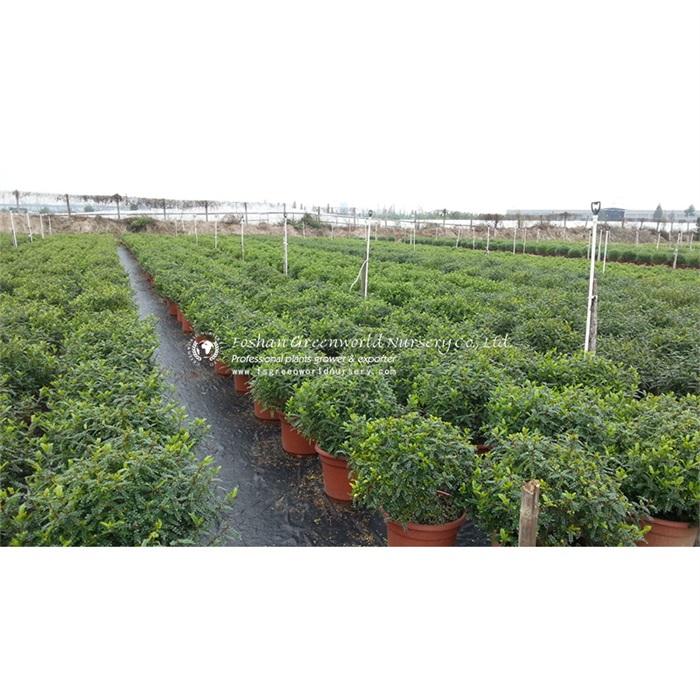
Neem (Azadirachta Indica), a tree revered across Asia for its numerous medicinal, agricultural, and ecological benefits, has recently come under renewed scientific and commercial attention. Its versatile applications, ranging from natural pest control to improving air quality, make it a valuable resource in sustainable urban development and environmental conservation efforts.
**Neem Tree: A Natural Wonder**
Known commonly as the "village pharmacy," the Neem tree boasts a rich history of use in traditional medicine, forestry, and agriculture. It produces compounds with antibacterial, antifungal, and insecticidal properties without adverse environmental effects. These characteristics are particularly significant as the world seeks eco-friendly alternatives to synthetic chemicals.
Neem’s resilience and ability to thrive in arid conditions make it an ideal species for afforestation projects and urban landscaping, especially in areas struggling with soil degradation and water scarcity. Its fast-growing nature and dense canopy provide shade and reduce urban heat islands, contributing to more livable cities.
**Synergies with Other Flora: A Holistic Approach to Urban Greening**
Lush green spaces are not only aesthetically pleasing but vital in combating the adverse effects of climate change and pollution. Various tree species, when planted together thoughtfully, can enhance biodiversity, improve air quality, and promote ecological balance.
Neem is often planted alongside several other prominent tree species, creating resilient green ecosystems. For example:
- **Lagerstroemia Indica (Crape Myrtle)** and **Lagerstroemia Indica Vase** varieties are appreciated for their vibrant blooms and adaptability, adding seasonal color and attracting pollinators.
- **Delonix Regia (Flamboyant or Flame Tree)** is famous for its fiery red flowers and broad canopy, offering extensive shade and contributing to urban cooling.
- **Hibiscus tiliaceus and Hibiscus tiliaceus Rubra** provide aesthetic appeal with their large flowers while supporting local fauna.
- **Pongamia Pinnata (Karanj)** is an important nitrogen-fixing tree, enriching soil fertility naturally.
- **Albizia Saman (Rain Tree)** and **Millingtonia hortensis (Indian cork tree)** produce large canopies that support biodiversity through habitat provision.
- **Ficus Nitida and Ficus Religiosa (Sacred Fig)** are culturally significant and ecologically vital species, often serving as keystone trees in urban forests.
- **Peltophorum, Ginkgo Biloba, Magnolia grandiflora**, and **Photinia Serrulata** contribute unique structural and seasonal variations to green spaces, boosting the environmental resilience of city landscapes.
- Other notable trees such as **Cinnamomum Camphora (Camphor tree), Prunus Yedoensis (Yoshino Cherry), Trachycarpus fortunei (Windmill Palm)**, **Tecoma Stans (Yellow Bells), Wodyetia bifurcata (Foxtail Palm)**, **Sea Grape Plant**, and **Ficus Racemosa** complement urban forestry efforts with their diverse ecological roles.
**Neem’s Role in Integrated Urban Ecosystems**
When integrated with a variety of these species, Neem contributes multiple benefits:
1. **Pest Management**: Neem extracts act as natural pesticides, reducing the need for harmful chemicals that damage soil and water quality. Cultivating Neem alongside vulnerable species can protect them from insect infestations without disrupting their growth cycles.
2. **Air Purification**: Trees like Neem and Ficus species absorb pollutants such as nitrogen oxides, sulfur dioxide, and particulate matter, mitigating urban pollution.
3. **Soil Health**: Neem’s leaf litter enriches soil organic content, while nitrogen-fixing species like Pongamia improve soil nutrient balance.
4. **Climate Resilience**: Mixed-species plantations improve ecosystem stability, making urban landscapes more resilient to droughts, storms, and temperature fluctuations.
5. **Cultural and Social Benefits**: Many trees listed, including Neem and Ficus Religiosa, bear spiritual significance, promoting community engagement and cultural preservation in urban planning.
**A Promising Future for Urban Forestry Initiatives**
Companies and urban planners embracing diversity in tree species selection, including Neem, are pioneering new standards in sustainable development. The amalgamation of these species not only beautifies cities but also builds ecosystems that support complex webs of life, including pollinators, birds, and beneficial insects.
Moreover, Neem’s medicinal and agricultural applications offer economic benefits. Its components are used in pharmaceuticals, cosmetics, and organic farming products, generating employment and fostering green business opportunities.
**Conclusion**
The confluence of Neem (Azadirachta Indica) with an array of other valuable tree species exemplifies an integrated approach to combating urban environmental challenges. From improving air quality and soil fertility to supporting biodiversity and enhancing climate resilience, Neem stands as a keystone in the effort to create sustainable, healthy, and vibrant urban ecosystems.
As awareness of the importance of biodiversity and eco-friendly practices grows, the role of Neem in urban greening will likely expand. By combining traditional wisdom with modern science and diverse botanical expertise, stakeholders can ensure a greener, healthier future for cities worldwide.