
In the world of horticulture and urban landscaping, the selection of resilient, aesthetically pleasing, and ecologically beneficial trees plays a crucial role. Among the myriad species cherished for these qualities, the Camphor tree (Cinnamomum camphora) stands out prominently. Known for its impressive stature, aromatic foliage, and numerous practical applications, this species continues to be a cornerstone in green spaces across many regions. Complementing the Camphor tree are a variety of other exceptional botanical species that have been widely introduced and popularized, enriching gardens, parks, and urban environments alike.
### The Iconic Camphor Tree: Nature’s Fragrant Giant
The Camphor tree, scientifically named *Cinnamomum camphora*, is a large evergreen species native to East Asia. Renowned for its glossy, vibrant green leaves and distinctive camphor scent, this tree is more than just a visual marvel; it is imbued with significant cultural, ecological, and economic importance.
One of the key attributes that make the Camphor tree a favored choice in landscaping is its adaptability. It thrives in a variety of climates, from subtropical to temperate zones, and can withstand urban pollution, making it ideal for city planting. Its fast growth and dense canopy provide excellent shade, contributing to cooler microclimates in urban areas. Furthermore, the tree supports biodiversity by attracting birds and insects, thus playing a vital role in local ecosystems.
The camphor oil extracted from the tree’s leaves and wood has long been used in traditional medicine, as well as in pharmaceuticals and insect repellents, thanks to its antimicrobial properties. This multifaceted utility underscores the Camphor tree’s value beyond ornamental appeal.
### A Botanical Collection to Admire
In addition to the Camphor tree, a remarkable variety of other trees are gaining attention for their unique characteristics and benefits. These species contribute to the transformation of outdoor spaces, combining beauty with functionality.
- **Lagerstroemia indica (Crape Myrtle)**: Known for its spectacular summer blooms in shades of pink, white, and red, the Crape Myrtle is a popular choice for adding color and vibrancy to gardens.
- **Vase Delonix Regia (Royal Poinciana)**: Celebrated for its flamboyant red flowers and broad umbrella-like crown, this tree offers magnificent shade and a striking visual presence.
- **Hibiscus tiliaceus and Hibiscus tiliaceus Rubra**: These hibiscus species bring tropical charm with their large, colorful flowers and are often used in coastal landscaping for their salt tolerance.
- **Pongamia pinnata (Indian Beech)**: An environmentally valuable tree, Pongamia pinnata is favored for soil conservation and biofuel production.
- **Albizia saman (Rain Tree)**: Distinguished by its expansive canopy, this tree is loved for creating broad shaded areas and enhancing roadside greenery.
- **Millingtonia hortensis (Indian Cork Tree)**: With its fragrant white blossoms that bloom at night, this tree adds sensory delight to urban settings.
- **Ficus nitida and Ficus religiosa (Sacred Fig Tree)**: Both Ficus species serve as iconic symbols in many cultures and provide dense foliage to shade urban streets and parks.
- **Peltophorum**: Often planted as a decorative tree, it boasts golden-yellow flowers, bringing brightness to landscapes.
- **Ginkgo biloba**: Known as a living fossil, the Ginkgo tree’s fan-shaped leaves turn a brilliant yellow in fall, offering striking seasonal beauty.
- **Magnolia grandiflora**: This evergreen tree captivates with its large, fragrant white flowers and glossy leaves.
- **Photinia serrulata**: Popular for hedges and ornamental use, its red-tipped new leaves add a colorful touch year-round.
- **Prunus yedoensis (Yoshino Cherry)**: Famous for its stunning cherry blossoms, this tree symbolizes renewal and beauty in springtime.
- **Trachycarpus fortunei (Windmill Palm)** and **Wodyetia bifurcata (Foxtail Palm)**: Both palms are valued for their architectural form and tropical flair, enhancing urban tropical landscapes.
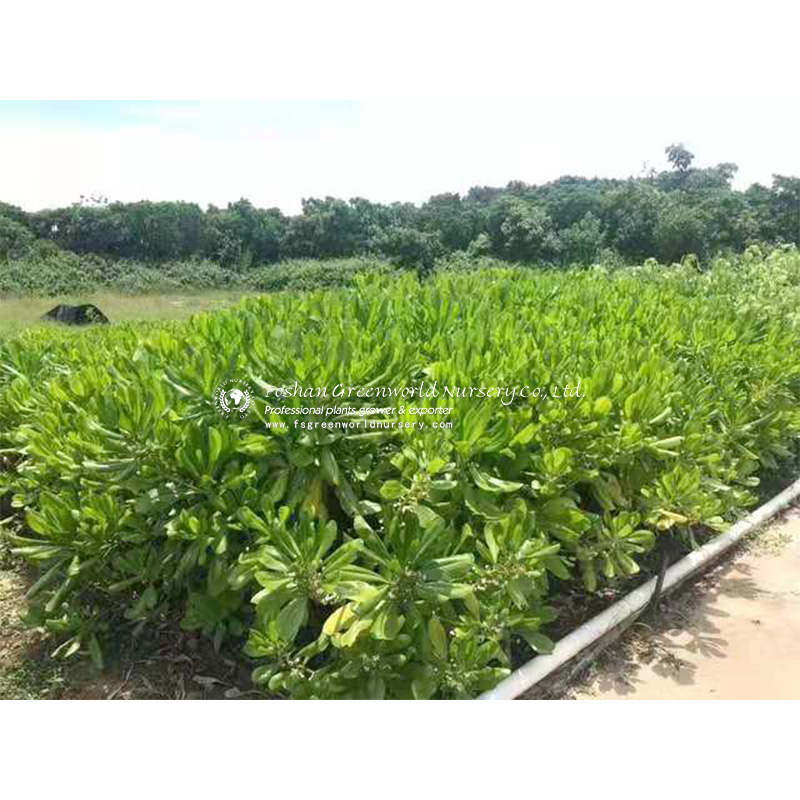
- **Sea Grape Plant**: Often used in coastal plantings, it offers tolerance to salty air and erosion control.
- **Ficus racemosa (Cluster Fig)**: An important species in both ecology and culture, providing fruit and shelter for wildlife.
### Enhancing Urban and Natural Landscapes
Together, these species represent a comprehensive palette for landscape architects, urban planners, and environmentalists aiming to design spaces that are not only visually appealing but also sustainable and ecologically sensitive. The blend of evergreens, flowering trees, shade providers, and culturally significant plants offers flexibility in creating diverse environments—from tranquil gardens and lively parks to robust street plantings.
The Camphor tree’s hardy nature and versatile uses complement this diverse botanical assortment, making it a valuable inclusion in modern greening projects. This harmonious planting strategy aids in enhancing air quality, reducing urban heat, increasing biodiversity, and uplifting community wellbeing through exposure to green spaces.
### Conclusion
As the push for greener cities and sustainable living intensifies worldwide, trees like the Camphor (Cinnamomum camphora) and an array of other notable species play indispensable roles. Their combined virtues of beauty, resilience, and ecological benefits underscore the importance of thoughtful plant selection in creating healthier, more vibrant urban ecosystems.
Embracing such a diverse botanical repertoire encourages a deeper connection with nature and ensures that our urban environments are not merely spaces for human habitation but thriving habitats for all forms of life. The Camphor tree and its fellow botanical companions thus stand as living testaments to the power and promise of nature in enhancing our lives.