
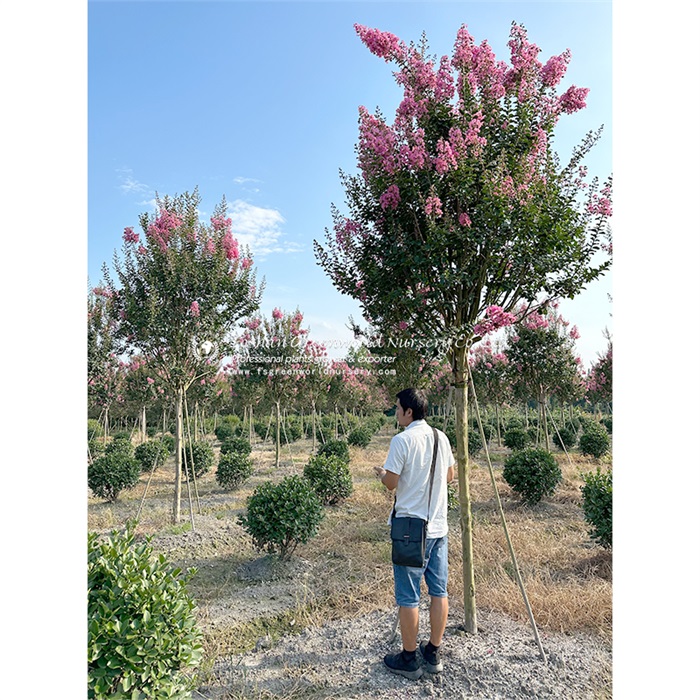
Indoor plants have become an essential aspect of modern living, transforming homes and offices into lush green sanctuaries. Among the various options available, the Lady Palm stands out as a popular choice for indoor gardeners seeking elegance and ease of care. Alongside this, a diverse range of plant species including Lagerstroemia Indica, Delonix Regia, Hibiscus variants, Pongamia Pinnata, Albizia Saman, Millingtonia Hortensis, Ficus Nitida, and many more, offer unique benefits that cater to both aesthetic and environmental needs.
### The Lady Palm: A Timeless Indoor Classic
The Lady Palm (Rhapis excelsa) is renowned for its graceful appearance and resilience, making it one of the top contenders for indoor planting. Characterized by its broad, fan-shaped leaves and sturdy stems, it thrives in low to moderate light conditions and requires minimal care. This makes it especially suitable for homes and offices where natural sunlight may be limited.
Beyond its decorative appeal, the Lady Palm also contributes to indoor air purification. Studies have shown that it can help filter out toxins such as formaldehyde and benzene, enhancing indoor air quality and promoting a healthier living environment. Additionally, its ability to increase humidity can be beneficial in dry climates, reducing respiratory issues and improving skin health.
### Exploring a Diverse Botanical Collection
While the Lady Palm adds a sophisticated tropical vibe to interiors, the broader spectrum of plants mentioned offers a rich palette for landscapers, gardeners, and plant enthusiasts to experiment with. Here’s a brief look at some noteworthy species:
- **Lagerstroemia Indica**: Commonly known as crepe myrtle, this plant is prized for its vibrant blooms that range from white to deep violet. It is ideal for outdoor gardens but can also be nurtured indoors in large containers with sufficient sunlight.
- **Delonix Regia**: Also known as the flame tree, it features striking red and orange flowers. Though primarily an outdoor tree, its smaller saplings can be used indoors temporarily to brighten spaces before transplantation.
- **Hibiscus Tiliaceus Rubra & Hibiscus Tiliaceus**: These hibiscus variants offer spectacular flowers that can bring tropical flair to both indoor and outdoor settings. Their lush foliage adds depth and texture to plant displays.
- **Pongamia Pinnata**: Known for its adaptability and nitrogen-fixing properties, Pongamia pinnata is often used in reforestation and as a biofuel source. Its potential for indoor use is limited but worth mentioning for ecological benefits.
- **Albizia Saman** (Rain Tree): This sprawling tree provides ample shade and showcases delicate, fern-like leaves that create a soothing atmosphere when strategically placed indoors or in large atriums.
- **Millingtonia Hortensis**: Known for its fragrant white flowers, this tree is often cultivated for its aesthetic as well as pleasant scents.
- **Ficus Nitida and Ficus Religiosa**: These species belong to the popular fig family, often grown indoors as bonsai or shade trees. They are hardy and adaptable, with the added cultural and spiritual significance in many regions.
- **Peltophorum**: A flowering tree with beautiful yellow blooms, often included in urban landscaping for its ornamental appeal.
- **Ginkgo Biloba**: Famous for its unique fan-shaped leaves and ancient lineage, Ginkgo offers visual interest and is highly valued for its medicinal properties.
- **Magnolia Grandiflora**: Known for its large, fragrant white flowers and glossy leaves, this tree’s indoor cultivation requires ample space and light but rewards with stunning visual impacts.
- **Photinia Serrulata**: Often used as hedges or ornamental shrubs, they provide vibrant red foliage in the winter, enhancing seasonal indoor displays.
- **Cinnamomum Camphora**: The camphor tree is recognized for its aromatic leaves and timber. Indoors, young plants bring fragrance and a touch of nature.
- **Prunus Yedoensis**: Commonly called Yoshino cherry, it is celebrated for its ephemeral spring blossoms, making it a prized choice for seasonal indoor displays or greenhouses.
- **Trachycarpus Fortunei**: A hardy palm species that can complement the Lady Palm, offering texture and variety in indoor palm collections.
- **Tecoma Stans**: Known as yellow bells, this shrub adds bright yellow flowers to indoor spaces where sunlight is abundant.
- **Wodyetia Bifurcata**: Also known as the foxtail palm, it’s admired for its bushy, plume-like fronds and is an excellent companion to other indoor palms.
- **Sea Grape Plant**: Valued for its broad, leathery leaves and ornamental fruits, suitable for conservatories and larger indoor gardens.
- **Ficus Racemosa**: This fig variety brings a tropical ambiance and is sometimes used for bonsai cultivation, blending nature and art.
### Integrating Plants into Indoor Spaces for Better Living
Incorporating these plants into indoor environments offers numerous advantages. They not only enhance visual aesthetics but also help regulate indoor climates by improving air quality, increasing humidity, and reducing noise pollution.
Professional interior designers and plant specialists recommend grouping plants like Lady Palm with complementary species such as Ficus Nitida or Trachycarpus Fortunei to create layered greenery that brings depth and interest to any room.
Additionally, many of these plants have symbolic meanings and cultural significance, which can enhance their value in residential or commercial spaces. For example, the Sacred Fig Tree (Ficus Religiosa) is revered in many cultures and can introduce a sense of peace and spirituality indoors.
### Conclusion
The Lady Palm, together with an impressive variety of plant species from ornamental trees to hardy shrubs, provides an exciting opportunity for enthusiasts and professionals alike to enrich indoor environments. Whether for the purpose of air purification, aesthetic enhancement, or holistic wellness, these plants can transform ordinary rooms into vibrant, living ecosystems.
By selecting and combining plants thoughtfully, individuals can enjoy the therapeutic benefits of greenery, foster a closer connection with nature, and create refreshing spaces that promote health, productivity, and happiness. Whether you are a seasoned gardener or a beginner, the diverse options presented here encourage exploration and the joy of nurturing life within the comfort of your home or office.