
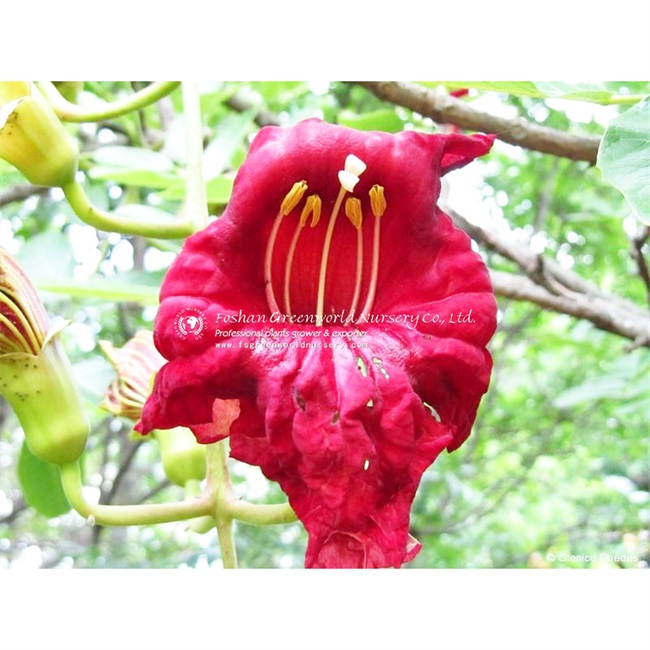
As cities worldwide intensify efforts toward sustainable urban development and ecological balance, the role of diverse plant species in enhancing urban landscapes has become ever more critical. Among these, the Cassia Fistula, commonly known as the Golden Shower Tree, stands out not only for its stunning yellow blossoms but also for its ecological and cultural importance. Combined with an array of other valuable plant species such as Lagerstroemia Indica, Delonix Regia, Hibiscus Tiliaceus, and Ficus Religiosa, urban planners and environmentalists are crafting greener, healthier, and aesthetically appealing environments across metropolitan areas.
### The Charm and Utility of Cassia Fistula
Cassia Fistula is celebrated for its bright yellow flowers that bloom in pendulous clusters, transforming urban roadsides, parks, and gardens into vibrant visual spectacles during the blooming season. Beyond its ornamental value, the tree is also noted for its resilience in diverse climatic conditions, making it a suitable candidate for afforestation and reforestation projects in tropical and subtropical urban environments.
Ecologically, Cassia Fistula plays a critical role in supporting pollinators, especially native bees and butterflies, which are vital for maintaining biodiversity within urban ecosystems. Its ability to thrive in poor soil conditions also aids in soil stabilization and combating urban soil degradation.
Moreover, several traditional medicinal uses are associated with Cassia Fistula. Known in herbal medicine for its laxative properties and anti-inflammatory benefits, extracts from the tree have been incorporated in natural remedies—highlighting the multidimensional value of preserving such flora in urban green spaces.
### Complementary Urban Flora: A Spectrum of Botanical Diversity
The urban landscapes and environmental care programs are not limited to Cassia Fistula alone. A wider variety of significant plant species enhance the urban green cover, contributing to biodiversity, air and noise pollution abatement, and aesthetic value.
#### Lagerstroemia Indica (Crepe Myrtle)
Known for its delicate, crinkled flowers, Lagerstroemia Indica brightens the summer months with hues ranging from white to purple. As a hardy shrub or small tree, it fits well into gardens and boulevards, supporting urban beautification programs.
#### Delonix Regia (Flamboyant Tree)
The flamboyant tree is famed for its fiery red blooms and expansive canopy, offering substantial shade along city streets. These characteristics make it invaluable in lowering urban heat island effects and enhancing pedestrian comfort.
#### Hibiscus Tiliaceus (Sea Hibiscus)
This coastal species is particularly useful in areas facing saline conditions. Its tolerance to salt spray and ability to stabilize sandy soils make it ideal for coastal urban greening projects.
#### Pongamia Pinnata (Indian Beech)
Pongamia Pinnata is utilized extensively for its nitrogen-fixing properties, improving soil fertility naturally. Additionally, the tree’s seeds have been explored as a source of biofuel, underscoring the intersection of urban greening with renewable energy innovations.
#### Ficus Religiosa & Ficus Racemosa (Sacred Fig and Cluster Fig)
Ficus species are keystone urban trees known for their dense canopy and longevity. Alongside offering shade and improving air quality, these trees have cultural and spiritual significance in many communities, further promoting public engagement with green spaces.
### The Importance of Plant Diversity in Urban Ecosystems
Urban environments face challenges such as pollution, heat islands, restricted green spaces, and biodiversity loss. The integration of a wide range of plant species like Magnolia Grandiflora, Cinnamomum Camphora, Photinia Serrulata, and Ginkgo Biloba, along with the ones already discussed, establishes resilient, multifunctional green networks.
- **Air Quality Improvement:** Trees and shrubs filter pollutants such as particulate matter and carbon dioxide, thereby improving respiratory health for city dwellers.
- **Urban Heat Mitigation:** Shade trees, particularly those with broad canopies like Albizia Saman and Millingtonia Hortensis, cool urban areas through evapotranspiration.
- **Biodiversity Support:** Diverse species create habitats for birds, insects, and other wildlife, fostering urban biodiversity.
- **Psychological Benefits:** Access to green spaces has been linked to improved mental health and well-being among urban residents.
### Implementing Sustainable Urban Greening Practices
Incorporating species such as Cassia Fistula, Lagerstroemia Indica, and others into urban planning requires careful consideration of site-specific conditions, maintenance capacity, and ecological impacts. Urban forestry programs prioritize native or well-adapted species to ensure ecological compatibility and minimal invasive risks.
Sustainable practices also emphasize community involvement in planting and care, fostering stewardship and education about ecological benefits. Advances in urban horticulture, including bonsai cultivation of species like Ficus Religiosa, demonstrate innovative ways to integrate plants even into limited spaces.
### Conclusion
The Cassia Fistula tree, with its striking golden blooms and ecological versatility, embodies the transformative potential of urban greening initiatives. When combined thoughtfully with an extensive palette of plants—including Lagerstroemia Indica, Delonix Regia, Pongamia Pinnata, and revered Ficus species—urban ecosystems can flourish and provide numerous social, environmental, and economic benefits.
As cities strive to become more livable and sustainable, embracing the inherent diversity and functionality of these plant species underscores a commitment to a greener urban future. With continued research, community engagement, and policy support, the integration of such flora into cityscapes will help shape resilient habitats that nurture both nature and humanity.
---
**Note to urban planners, environmentalists, and policymakers:** The strategic incorporation of this diverse planting palette not only elevates the visual and ecological fabric of our cities but also pioneers pathways to sustainable, healthful urban living.