
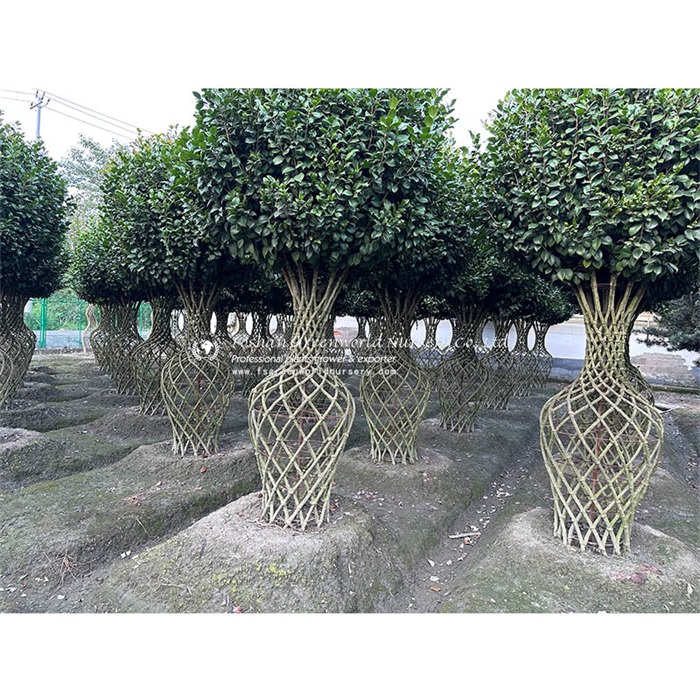
In recent years, there has been a growing interest in urban greening and landscape beautification, driven by the increasing awareness of environmental sustainability and the aesthetic value that trees bring to urban and rural spaces. Among the myriad species favored by landscapers, horticulturists, and nature enthusiasts, the Cassia Fistula tree stands out for its striking appearance and environmental benefits. Alongside this, several other ornamental tree species are garnering attention for their unique characteristics and contributions to biodiversity.
### The Cassia Fistula: Golden Shower Tree
Known for its dazzling display of yellow blossoms, the Cassia Fistula tree—commonly referred to as the Golden Shower tree—is a tropical deciduous tree that captivates anyone fortunate enough to witness its flowering season. This species is native to the Indian subcontinent and adjacent regions of Southeast Asia, thriving in dry and moist tropical climates.
The Cassia Fistula is widely celebrated for its ornamental appeal. Its pendulous clusters of vibrant yellow flowers create a “golden shower,” which not only enhances the visual appeal of gardens, parks, and streetscapes but also supports local pollinators such as bees and butterflies. Beyond aesthetics, the tree has traditional medicinal uses and is valued for its wood and shade.
### Diverse Ornamental Trees for Urban and Suburban Landscapes
Alongside the Cassia Fistula, numerous other tree species are favored for landscape architecture and ecological benefits. The inclusion of a broad variety of species ensures biodiversity, resilience against pests and diseases, and year-round visual interest. Below is an introduction to some of these notable species:
- **Lagerstroemia Indica (Crape Myrtle)**: Known for its vibrant flowers in shades ranging from white to deep pink and purple, this deciduous tree is great for hot climates and urban areas, as it tolerates pollution and poor soil conditions.
- **Delonix Regia (Flamboyant Tree)**: Renowned for its fiery red flowers and broad canopy, this tree provides extensive shade and dramatic beauty in tropical and subtropical settings.
- **Hibiscus Tiliaceus Rubra (Red Sea Hibiscus)**: With striking red blooms, this coastal species is often used in coastal landscaping and serves as a windbreak in seaside communities.
- **Pongamia Pinnata (Indian Beech)**: A nitrogen-fixing tree valued for its biofuel potential, shade, and ability to improve soil fertility.
- **Albizia Saman (Rain Tree)**: Notable for its wide, spreading canopy and feathery leaves, commonly planted as a shade tree in parks and along roadsides.
- **Millingtonia Hortensis (Indian Cork Tree)**: Distinctive for its fragrant white flowers and light wood, this species is favored for ornamental planting and traditional furniture making.
- **Ficus Nitida (Indian Laurel Fig)**: A dense, evergreen tree often used for bonsai, hedges, and shade, remarkable for its aerial roots and resilience in urban environments.
- **Peltophorum**: Known for its bright yellow flowers and drought tolerance, often planted as a street tree.
- **Ginkgo Biloba**: A living fossil famous for fan-shaped leaves and medicinal uses, it performs well in temperate climates and urban pollution.
- **Magnolia Grandiflora (Southern Magnolia)**: An evergreen species prized for its large, fragrant white blossoms and glossy leaves.
- **Photinia Serrulata**: Often used as ornamental hedges, this species features glossy red young leaves and white flowers.
- **Cinnamomum Camphora (Camphor Tree)**: Known for aromatic leaves and wood, this tree is used in traditional medicine and as an ornamental shade tree.
- **Prunus Yedoensis (Yoshino Cherry)**: Celebrated for its delicate pink blossoms, the Yoshino Cherry is a symbol of spring in many parts of the world.
- **Trachycarpus Fortunei (Windmill Palm)**: A cold-hardy palm species popular in temperate climates for its architectural shape.
- **Tecoma Stans (Yellow Bells)**: Known for bright yellow trumpet-shaped flowers that attract hummingbirds and butterflies.
- **Wodyetia Bifurcata (Foxtail Palm)**: An ornamental palm with fluffy fronds that resemble a fox’s tail, ideal for tropical gardens.
- **Sea Grape Plant (Coccoloba uvifera)**: Valued for its large, round leaves and edible fruit, it is crucial in coastal ecosystem stabilization.
- **Ficus Religiosa (Sacred Fig Tree)**: Revered in various cultures for its religious significance and shade-providing canopy.
- **Ficus Racemosa (Cluster Fig Tree)**: Known for its multiple fruit clusters, it supports wildlife and is used in traditional medicines.
### The Role of Diverse Tree Species in Sustainable Landscaping
Incorporating diverse tree species such as those listed above into landscape design contributes to several key sustainability goals:
1. **Biodiversity Support**: Diverse trees provide habitats and food sources for a variety of birds, insects, and small mammals.
2. **Climate Mitigation**: Trees sequester carbon dioxide, moderate temperatures through shading and evapotranspiration, and reduce urban heat island effects.
3. **Soil and Water Conservation**: Tree roots stabilize soil, preventing erosion, and can improve soil fertility through symbiotic relationships such as nitrogen fixation.
4. **Cultural and Aesthetic Value**: Many trees hold cultural, spiritual, or community significance, and enhance the quality of life through their beauty.
### Conclusion
The Cassia Fistula and the array of other ornamental and functional trees present an exciting palette for landscape architects, environmental planners, and gardeners alike. Their varied forms, colors, and ecological roles make them invaluable assets in creating vibrant, sustainable, and resilient environments. Whether it is the golden cascade of the Cassia Fistula’s flowers, the elegant blooms of Lagerstroemia Indica, or the sprawling canopy of Albizia Saman, integrating these species thoughtfully into landscapes can enrich ecosystems and human experiences alike.
As urbanization continues to expand, planting and preserving a wide range of tree species will be essential for maintaining balanced ecosystems and nurturing the connection between people and nature. The future of greener cities and healthier environments depends significantly on choices made today regarding tree diversity and landscape management.
---
*This article seeks to provide insight into the diversity and importance of ornamental trees with a focus on the Cassia Fistula and other significant species, highlighting their roles in ecology, aesthetics, and sustainable urban development.*