
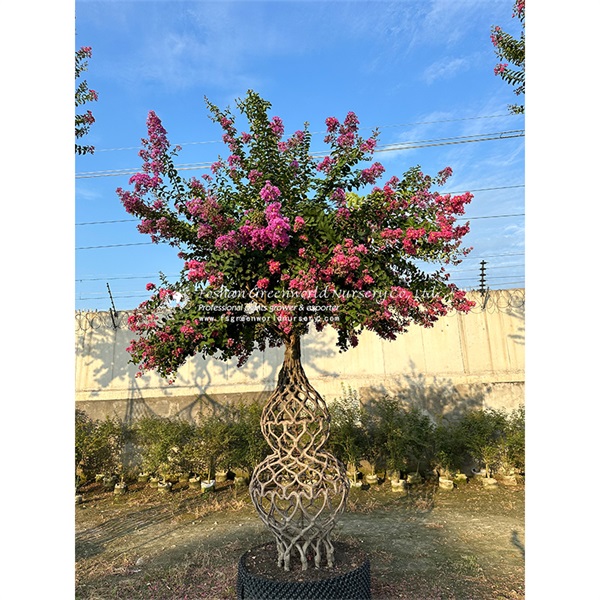
In the evolving world of urban horticulture, the demand for resilient, attractive, and multifunctional trees has been steadily increasing. Among the popular choices gaining recognition is the vibrant Cherry Mocha Crape Myrtle, a variety prized for its ornamental appeal and adaptability in cityscapes. Alongside this, a suite of diverse tree species—including Lagerstroemia Indica, Delonix Regia, Hibiscus Tiliaceus Rubra, Pongamia Pinnata, Albizia Saman, Millingtonia Hortensis, Ficus Nitida, and many others—are shaping modern landscaping projects, providing ecological benefits while enhancing aesthetic value.
### The Charm of Crape Myrtle Varieties
Crape Myrtles (Lagerstroemia Indica) are celebrated for their spectacular flowering, multi-seasonal appeal, and manageable growth. The variety popularly referred to as 'Cherry Mocha' is noted for its rich red blooms complemented by contrasting bark texture, offering a striking presence in urban and suburban environments. These trees flower prolifically from summer through early fall, bringing vibrant splashes of color that elevate parks, streets, and gardens. Moreover, their relatively compact size and tolerance to heat and pollution make them excellent choices for city planners and landscape architects seeking sustainable options.
### A Versatile Portfolio of Tree Species for Urban Greening
Beyond the charismatic crape myrtle, a variety of other species are being integrated into urban planting schemes to fulfill diverse ecological and design requirements. This comprehensive range includes species native and exotic, large canopy trees and ornamental shrubs, each offering unique attributes vital to creating balanced and livable city environments.
- **Delonix Regia**: Also known as the flamboyant tree, it is renowned for its expansive canopy and fiery red-orange flowers. It provides ample shade and supports urban biodiversity.
- **Hibiscus Tiliaceus Rubra**: This red-flowered hibiscus species delivers tropical charm with lush foliage and vivid blooms, thriving in coastal and warm climates.
- **Pongamia Pinnata**: Valued for nitrogen fixation abilities and drought resistance, it supports soil health and sustainability.
- **Albizia Saman (Rain Tree)**: Recognized for its impressive umbrella-like canopy, it offers cooling shade and supports diverse fauna.
- **Millingtonia Hortensis**: Known as the Indian cork tree, it features fragrant white flowers and a graceful form suitable for avenue planting.
- **Ficus Nitida and Ficus Religiosa**: These fig species both play significant roles in culture and ecology. Ficus Nitida is commonly used as a street tree, while Ficus Religiosa (Sacred Fig) holds religious significance and provides dense shade.
- **Peltophorum, Ginkgo Biloba, Magnolia Grandiflora, Photinia Serrulata, and Cinnamomum Camphora**: These contribute to varied urban forest structures, ranging from the ancient Ginkgo to the aromatic camphor tree, enriching both biodiversity and sensory experience.
- **Prunus Yedoensis**: The famous Yoshino cherry adds seasonal interest with stunning spring blossoms.
- **Trachycarpus Fortunei and Wodyetia Bifurcata**: These palm species introduce tropical flair and a vertical element to landscapes.
- **Tecoma Stans**: Its bright yellow flowers attract pollinators, supporting urban wildlife corridors.
- **Sea Grape Plant**: This coastal-adapted species helps with erosion control and provides edible fruit.
- **Ficus Racemosa**: Another culturally significant fig, offering fruit and habitat for urban wildlife.
### Ecological and Social Benefits
The integration of these tree species into urban settings goes beyond mere beautification. Trees provide critical ecosystem services such as air purification, carbon sequestration, temperature moderation through shade, stormwater management, and habitat provisioning for birds and insects. The diverse palette of species ensures year-round benefits by staggering flowering times and maintaining multi-layered canopy structures.
From a social and psychological standpoint, urban greenery has been linked to improved mental health, community cohesion, and increased property values. The vibrant florals of crape myrtles, the cooling shade of Albizia Saman, and the culturally meaningful Ficus species collectively contribute to creating inviting public spaces that strengthen human-nature connections.
### Challenges and Sustainable Urban Forestry Practices
Despite their numerous benefits, urban trees face challenges including limited planting space, soil compaction, pollution, and climate pressures. Successful implementation requires careful species selection based on local environmental conditions and ongoing care such as watering, pruning, and pest management.
Mapping out green infrastructure with an emphasis on native and well-adapted exotic species, like those in the broad list of trees mentioned, supports resiliency. For instance, drought-tolerant species such as Pongamia Pinnata and Albizia Saman reduce the need for supplemental irrigation, while flowering trees like Crape Myrtles and Hibiscus Tiliaceus Rubra increase urban biodiversity.
### Looking Ahead: Urban Greening Initiatives
Cities worldwide are increasingly prioritizing urban greening as a component of sustainability and climate action plans. Incorporating diverse tree species—including vibrant flowering varieties alongside large shade trees and palms—offers a multi-functional approach to city planning.
Educational efforts are also crucial to raise awareness among residents and stakeholders on the importance of tree care and selection. Community planting programs featuring varieties such as Lagerstroemia Indica, Delonix Regia, and Ficus Racemosa have the potential to engage citizens while enhancing urban environments.
### Conclusion
The harmonious blend of ornamental and functional tree species, including the vibrant range typified by crape myrtle varieties and complemented by a diverse selection of ecologically valuable trees, marks a promising direction for urban landscapes. These trees not only beautify streets and parks but contribute fundamentally to healthier, more sustainable, and resilient cities. As urban planners, arborists, and communities collaborate on greening projects, the dynamic palette of trees like Lagerstroemia Indica, Delonix Regia, and Ficus Religiosa will continue to play a vital role in shaping the future of livable urban spaces.