
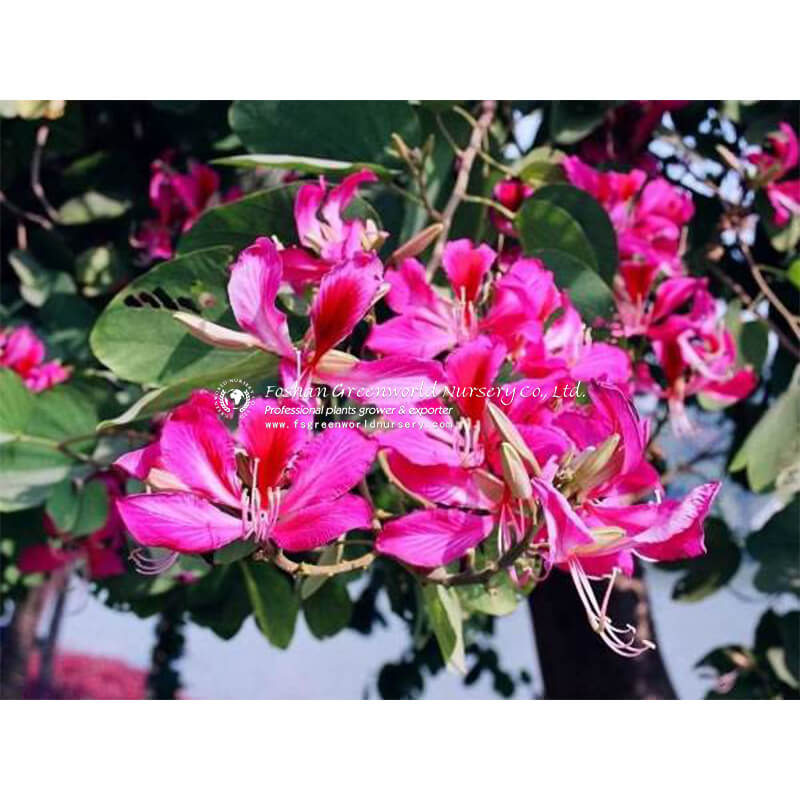
In an era where urbanization is rapidly transforming cityscapes worldwide, the importance of integrating greenery into urban environments has never been more critical. Plants not only beautify spaces but also improve air quality, provide shade, and contribute to the mental and physical well-being of residents. A recent focus on diverse plant species, including popular options like Cycas Revoluta, Lagerstroemia Indica, Delonix Regia, and many others, highlights the evolution of landscaping approaches that combine aesthetics, functionality, and sustainability.
### Embracing Biodiversity in Urban Landscaping
Modern landscaping companies are increasingly incorporating a wide range of plant species to create vibrant, sustainable, and ecologically balanced urban green spaces. Among the notable species currently favored are Lagerstroemia Indica, also known as crepe myrtle, prized for its long-lasting colorful blooms and adaptability to varying climates. This species, alongside others such as Delonix Regia (flamboyant tree) and Hibiscus Tiliaceus variants (Rubra and Pongamia Pinnata), contributes to a palette of textures, colors, and growth forms that enhance urban landscapes.
A comprehensive plant selection includes not only flowering trees but also shade providers like Albizia Saman, commonly known as rain trees, which offer expansive canopies ideal for parks and roadside planting. Millingtonia Hortensis (Indian cork tree), Ficus Nitida (Indian laurel fig), and Peltophorum likewise add to the diversity, each with unique growth habits and ecological benefits.
### The Role of Cycas Revoluta in Urban Greenery
Among these varieties, Cycas Revoluta, a popular cycad species often employed in both indoor and outdoor landscaping, stands out due to its distinctive appearance and resilience. Commonly referred to as the “sago palm” though not a true palm, this plant adds a tropical touch to gardens and commercial spaces. Its slow growth and strikingly symmetrical fronds make it an excellent choice for architectural planting, where form and structure are key considerations.
Cycas Revoluta thrives in well-drained soils and sunlight, making it adaptable to a range of environmental conditions. Its use in urban forestry and landscaping projects contributes to biodiversity while providing an evergreen presence throughout the year.
### Integrating Trees with Functional and Ornamental Value
Other species actively shaping the green identity of urban environments include Millingtonia Hortensis and Ficus Nitida, valued for their fast growth and shade provision—a critical factor in mitigating urban heat islands. Peltophorum and Ginkgo Biloba bring additional aesthetic and ecological benefits. Ginkgo Biloba, in particular, is renowned worldwide for its resilience to pollution and unique fan-shaped leaves that turn brilliant yellow in autumn, adding seasonal interest to avenues and parks.
Magnolia Grandiflora, a majestic evergreen tree with large fragrant blossoms, photinia serrulata with glossy red leaves, and the aromatic Cinnamomum Camphora (camphor tree) also enrich landscapes, combining beauty with air purification qualities.
### Enhancing Biodiversity with Flowering and Fruit-bearing Plants
Flowering plants such as Prunus Yedoensis (Yoshino cherry), Tecoma Stans (yellow bells), and Delonix Regia contribute vibrant spring and summer color, attracting pollinators such as bees and butterflies—essential components for sustaining urban biodiversity. Meanwhile, fruit-bearing plants like Sea Grape, Wodyetia Bifurcata (foxtail palm), and Ficus Religiosa (sacred fig) offer ecological and cultural values, providing food for urban wildlife and holding spiritual significance in various cultures.
The bonsai variety of sacred figs exemplifies specialized horticultural practices blending tradition with contemporary landscape design, creating focal points in gardens and indoor spaces alike.
### Sustainable Landscaping for Healthier Cities
The inclusion of diverse plants such as Rubra Hibiscus Tiliaceus, Pongamia Pinnata, and Albizia Saman in landscaping projects underscores a commitment to sustainability. Pongamia Pinnata, known for its nitrogen-fixing ability, improves soil fertility, reducing the need for chemical fertilizers. Albizia Saman’s broad canopy helps conserve water by reducing evaporation in soil, a critical attribute in water-scarce areas.
Such plantings align with modern green infrastructure concepts, where ecological services like microclimate regulation, stormwater management, and air pollution mitigation are integral to city planning.
### Company’s Commitment to Quality and Diversity
An established landscaping company offers an extensive portfolio of plants including the aforementioned species to meet various client needs—from public parks and streetscapes to private gardens and corporate campuses. The company emphasizes the careful selection of species tailored to local climates, soil conditions, and design preferences, ensuring longevity and environmental compatibility.
Their horticultural expertise and commitment to biodiversity not only elevate landscape aesthetics but contribute significantly to community health and ecological balance. By blending traditional favorites like Magnolia Grandiflora and Ficus Racemosa with resilient and functional plants such as Trachycarpus Fortunei and Hibiscus Tiliaceus, they offer comprehensive green solutions catering to contemporary urban challenges.
### Looking Ahead: Future of Green Urban Spaces
As cities worldwide strive for greener futures, the demand for versatile, sustainable, and visually appealing plants grows. The combination of diverse species ranging from ancient cycads to fast-growing shade trees reflects a holistic approach where aesthetics and ecology go hand-in-hand.
With ongoing advances in urban forestry and landscape management, such strategic plantings will continue to play pivotal roles in transforming urban environment quality. The emphasis on biodiversity, sustainability, and community well-being ensures that green spaces will not only enhance the beauty of cities but also foster healthier and more resilient urban ecosystems for generations to come.
---
**In summary**, the diverse selection of plants including Cycas Revoluta, Lagerstroemia Indica, Delonix Regia, and other species highlights a modern approach to urban landscape design that merges ecological function with ornamental appeal. This comprehensive palette serves the goal of creating vibrant, sustainable, and healthy urban green spaces that address both environmental and social needs effectively.