
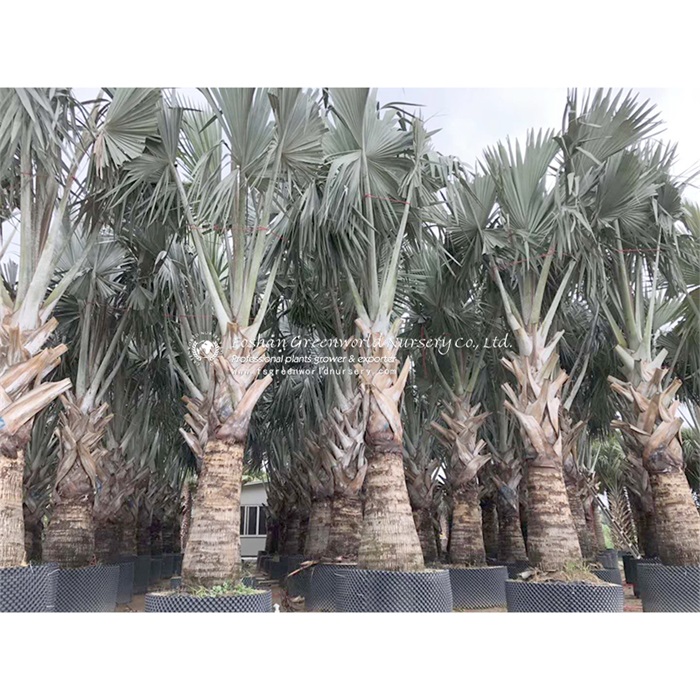
In recent years, the importance of urban greenery and sustainable landscaping has garnered significant attention worldwide. As cities expand and urbanization accelerates, maintaining and enhancing green spaces have become paramount for environmental health, social wellbeing, and aesthetic appeal. Among various plant species, the **evergreen magnolia tree** stands out for its resilience, beauty, and ecological benefits. Combined with a variety of other significant species—including Lagerstroemia Indica, Delonix Regia, Hibiscus Tiliaceus, and Ficus Religiosa—urban planners and environmentalists are revitalizing cityscapes by incorporating these plants to create more vibrant and sustainable environments.
### The Evergreen Magnolia Tree: A Key Player in Urban Forestry
The evergreen magnolia tree is renowned for its striking glossy leaves, majestic form, and fragrant flowers that bloom throughout the year. Unlike deciduous magnolias, the evergreen variety retains its foliage year-round, providing continuous greenery that enhances the visual appeal of parks, streetscapes, and residential areas. Its adaptability to diverse climatic conditions, tolerance to urban pollution, and minimal maintenance requirements make it an ideal choice for city planners aiming to increase canopy cover and improve air quality.
Beyond aesthetics, the evergreen magnolia tree offers measurable environmental benefits. The dense foliage captures airborne particulates, absorbs carbon dioxide, and releases oxygen, contributing significantly to cleaner urban air. Its extensive root system helps stabilize soil and mitigate erosion, while its flowers attract pollinators, supporting biodiversity in metropolitan areas often devoid of natural habitats.
### Complementary Plant Species for a Robust Urban Forest
While the evergreen magnolia tree is invaluable, a diverse palette of plant species is essential for creating sustainable and resilient green spaces. Incorporating a range of trees and shrubs with varying heights, leaf structures, and flowering periods ensures year-round interest and ecological balance.
**Lagerstroemia Indica (Crape Myrtle):** Known for its vibrant summer blooms in shades of pink, purple, and white, this tree adds seasonal color and texture. Its adaptability to heat and drought makes it suitable for planting in warmer urban environments.
**Delonix Regia (Flame Tree):** Famous for its flamboyant red-orange flowers and wide canopy, the flame tree offers shade and visual drama, often becoming a centerpiece in parks and boulevards.
**Hibiscus Tiliaceus (Sea Hibiscus):** Present in both rubra and typical variants, this coastal species tolerates saline conditions, ideal for seaside urban areas seeking drought and salt-resistant plants.
**Pongamia Pinnata:** This nitrogen-fixing tree improves soil quality and supports ecosystem health, beneficial for rehabilitating degraded urban sites.
**Albizia Saman (Rain Tree):** Its expansive umbrella-shaped canopy provides ample shade, making it popular in playgrounds and picnic areas.
**Millingtonia Hortensis:** Also called the "Indian cork tree," it is prized for its fragrant white flowers and rapid growth.
**Ficus Nitida and Ficus Religiosa:** These fig species are culturally significant and provide dense shade, with Ficus Religiosa also known as the sacred fig, offering spiritual value in many communities.
**Peltophorum and Ginkgo Biloba:** Both contribute unique foliage and autumnal color transitions that enhance visual diversity.
**Photinia Serrulata, Cinnamomum Camphora, Prunus Yedoensis:** These species provide a mix of evergreen and deciduous attributes, with notable flowering or fragrant leaves that enrich the sensory experience of green areas.
**Trachycarpus Fortunei and Wodyetia Bifurcata:** Popular palms that introduce tropical elegance and structure.
**Tecoma Stans and Sea Grape Plant:** Both add flowering brilliance and are useful for smaller urban gardens or landscaping borders.
**Ficus Racemosa and Bonsai Sacred Fig Tree:** Their controlled growth forms and cultural significance make them perfect for ornamental purposes and urban horticulture projects.
### Urban Environmental and Social Benefits
The integration of these diverse plant species within city landscapes accomplishes multiple objectives:
- **Climate Mitigation:** By increasing urban canopy cover with evergreen magnolia and other trees, cities can reduce the “urban heat island” effect, lowering temperatures and energy consumption for cooling.
- **Biodiversity Enhancement:** Providing habitats for birds, insects, and other urban wildlife strengthens ecosystem resilience.
- **Mental Health and Social Cohesion:** Green spaces featuring diverse and attractive plants contribute to the psychological well-being of residents, promoting relaxation, recreation, and social interaction.
- **Economic Advantages:** Attractive urban environments can boost property values, tourism, and local business activities.
### Forward-Looking Urban Greening Practices
Municipalities and environmental organizations are increasingly adopting mixed planting strategies that involve evergreen magnolias alongside the aforementioned species. These integrated landscapes are designed not only for beauty and shade but also to maximize ecological functions, including water management through permeable soils and shade-driven evaporation control.
Plant nurseries and landscape architects are collaborating to propagate these species from seed and cuttings, ensuring genetic diversity and stronger, healthier urban forests. Public awareness campaigns encourage communities to participate in tree planting and maintenance initiatives, fostering stewardship and pride in local green spaces.
### Conclusion
As urban centers continue to grow, prioritizing green infrastructure is essential for creating livable, sustainable cities. The evergreen magnolia tree, with its year-round foliage and environmental contributions, serves as a cornerstone species in urban forestry projects. When combined with a rich variety of complementary trees and plants—ranging from Lagerstroemia Indica and Delonix Regia to Ficus Religiosa and Tecoma Stans—these efforts produce multi-functional, resilient, and beautiful green spaces.
Together, these plants not only enhance the aesthetic and ecological value of urban environments but also improve the quality of life for millions of city dwellers. Through thoughtful planning and community engagement, the future of urban greening looks vibrant and promising, rooted in the strength of species like the evergreen magnolia and its botanical companions.