
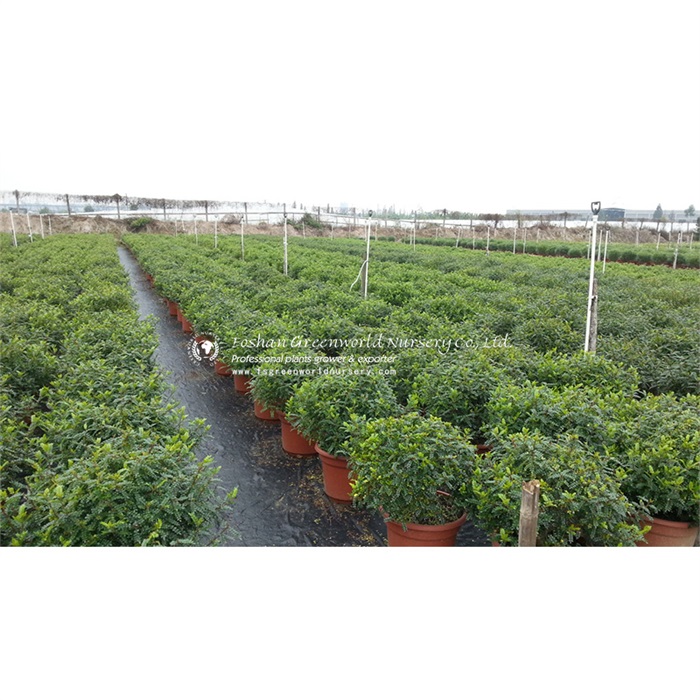
In recent years, the global interest in traditional and herbal medicine has surged, spotlighting an array of plants endowed with therapeutic potentials. Among these is *Pithecellobium dulce*, a versatile tree known not only for its ecological adaptability but also for its impressive medicinal properties. As urban landscapes continue to integrate green spaces for environmental and health benefits, an intriguing assortment of flora including *Lagerstroemia indica*, *Delonix regia*, *Hibiscus tiliaceus*, and others enrich cityscapes worldwide — each bringing botanical beauty and unique benefits. Within this verdant ensemble, *Pithecellobium dulce* stands out for its promising applications in natural health remedies.
### The Botanical Charm of Urban Greens
Urban forestry has evolved significantly over the past decades, with cities incorporating diverse tree species to enhance ecological balance, air quality, and scenic beauty. Trees like *Lagerstroemia indica* (commonly known as crape myrtle), *Delonix regia* (flamboyant tree), and *Hibiscus tiliaceus* (sea hibiscus) not only provide vibrant flowers and shade but also contribute to urban biodiversity. Similarly, species like *Pongamia pinnata* (karanj), *Albizia saman* (rain tree), and *Millingtonia hortensis* (India cork tree) serve ecological purposes such as nitrogen fixation, shade, and bird habitat support.
Other notable inclusions are *Ficus nitida* (Indian banyan), *Peltophorum*, *Ginkgo biloba*, and *Magnolia grandiflora*, which underscore the diversity of urban planting. Trees like *Photinia serrulata*, *Cinnamomum camphora* (camphor tree), and *Prunus yedoensis* (Yoshino cherry) accentuate aesthetics with their colorful foliage or fragrant blossoms. Palm species such as *Trachycarpus fortunei* and *Wodyetia bifurcata* add tropical elegance, while the venerable sacred fig (*Ficus religiosa*) and its relative *Ficus racemosa* bring spiritual and ecological significance.
Amid this layered diversity, *Pithecellobium dulce* merges beauty with pharmacology, inviting a deeper look into its role beyond ornamentation.
### Unveiling *Pithecellobium Dulce*: A Botanical Overview
Known commonly as Manila tamarind or Madras thorn, *Pithecellobium dulce* is a leguminous tree native to the tropical Americas but widely cultivated in Asia, Africa, and beyond. Its compound, feathery leaves, thorny branches, and curved, pod-like fruit housing edible pulp characterize the tree. While the fruit is enjoyed fresh or processed into jellies and preserves, traditional medicine prizes various parts of the tree for their healing potential.
This species thrives in diverse climates and tolerates poor soils, making it a hardy candidate for urban planting alongside species like *Delonix regia* and *Albizia saman*. Its presence contributes shade and food resources for wildlife while offering humans a pharmacopeia in the form of extracts and powders derived from leaves, bark, seeds, and pods.
### Medicinal Properties and Traditional Uses
The increasing scientific validation of *Pithecellobium dulce*’s pharmacological attributes spotlights its dual role as a health resource and botanical specimen. Traditional systems across regions leverage the tree for:
- **Antimicrobial Activity:** Extracts demonstrate efficacy against bacterial and fungal pathogens, suggesting applications in wound care and infection control.
- **Anti-diabetic Effects:** Certain compounds show potential in regulating blood glucose, beneficial for diabetes management.
- **Anti-inflammatory and Antioxidant Properties:** These contribute to mitigating oxidative stress and inflammatory conditions.
- **Gastroprotective Effects:** Traditionally used to treat digestive issues, supporting overall gut health.
Complementing these, research into phytochemicals such as flavonoids, tannins, alkaloids, and saponins isolated from *Pithecellobium dulce* underlines its therapeutic versatility.
### Integration into Urban Greenery Concepts
The synergy between urban greening and medicinal plant use forms an emerging paradigm in sustainable city planning. Alongside decorative species like *Hibiscus tiliaceus rubra* and *Tecoma stans*, *Pithecellobium dulce* offers functional landscaping benefits. Its adaptability aligns with species such as *Millingtonia hortensis* and *Photinia serrulata*, which also thrive in city environments while enhancing air pollution mitigation.
Moreover, the inclusion of medicinal species within public spaces encourages community education on plant-based healthcare and biodiversity appreciation. Initiatives focusing on urban botanical gardens or green corridors increasingly feature such species, blending aesthetic appeal with health consciousness.
### Cultivating Awareness and Sustainable Use
As urban populations grapple with rising chronic diseases and environmental challenges, nature-centric solutions like incorporating *Pithecellobium dulce* gain relevance. Promoting awareness of its benefits demands collaboration between urban planners, herbalists, researchers, and communities.
Propagation efforts ensuring the tree’s healthy growth alongside companion species such as *Ginkgo biloba*, known for cognitive benefits, and *Magnolia grandiflora*, lauded for fragrant blooms, can anchor green spaces that nourish body and mind.
Additionally, sustainable harvesting practices must be encouraged to prevent overexploitation, particularly if demand for herbal products derived from this tree grows.
### Conclusion
In sum, *Pithecellobium dulce* exemplifies the fruitful intersection of urban forestry and traditional medicine. By elegantly balancing ecological functions with pharmacological benefits, this tree enriches green landscapes across the globe. Its presence among a rich palette of other botanical species—from *Lagerstroemia indica* to *Ficus religiosa*—illustrates the vast potential of urban flora to serve multiple dimensions of human well-being.
Future research and urban design strategies that highlight and harness such versatile species will pave the way for healthier, greener, and more resilient cities. Embracing *Pithecellobium dulce* not just as a tree but as a natural ally in health and environment invites us all to reconnect with plant wisdom rooted in time-honored traditions and contemporary science alike.